
 EN
EN



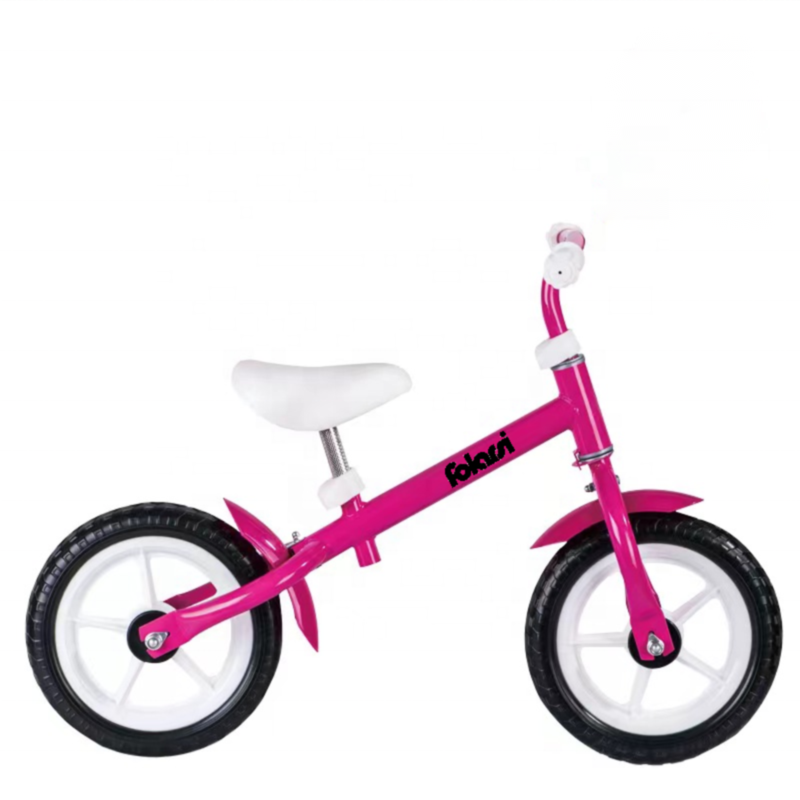
Learning to ride a bicycle represents one of childhood's most significant milestones, yet traditional methods often involve training wheels, scraped knees, and frustrated tears. A balance bike transforms this challenging experience into an enjoyable journey of discovery and confidence-building. These innovative two-wheeled vehicles eliminate pedals entirely, allowing young children to focus on the fundamental skill of balance while propelling themselves forward with their feet. This natural progression method has revolutionized how children approach cycling, making the transition to traditional bicycles smoother and more intuitive than ever before.
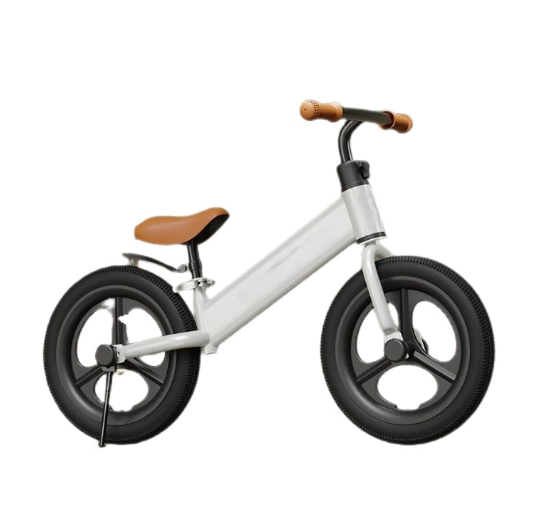
Understanding the Balance Bike Concept
The Science Behind Balance-First Learning
The balance bike approach is rooted in child development principles and motor learning theory. Traditional bicycles with training wheels create a false sense of stability, teaching children to rely on external support rather than developing their natural balance instincts. When children use a balance bike, they engage their core muscles, proprioceptive system, and spatial awareness to maintain equilibrium while in motion. This organic learning process mimics how humans naturally acquire balance skills, similar to learning to walk or run.
Research in child development shows that balance is a foundational skill that supports all other cycling abilities. By mastering balance first, children develop the confidence and muscle memory necessary for successful bicycle riding. The absence of pedals eliminates the complexity of coordinating multiple motor functions simultaneously, allowing young riders to focus entirely on steering and balance control. This simplified approach reduces cognitive load and accelerates the learning process significantly.
Age-Appropriate Development Advantages
Balance bikes cater perfectly to the developmental stages of children aged two to five years. During this critical period, children are naturally curious about mobility and eager to explore their environment independently. The low seat height and lightweight construction of most balance bikes enable even the smallest riders to maintain control and feel secure. Children can easily place both feet flat on the ground, providing immediate stability and confidence when needed.
The intuitive nature of balance bike operation aligns with how young children naturally move and explore. They instinctively understand the concept of pushing with their feet to move forward, making the initial learning curve minimal. This immediate success creates positive associations with cycling from the very beginning, fostering a lifelong love of bicycle riding. Unlike traditional methods that often involve frustration and fear, balance bikes promote enjoyment and achievement from day one.
Key Features That Enhance Learning
Ergonomic Design Elements
Modern balance bikes incorporate sophisticated design features that optimize the learning experience for young riders. Adjustable seat heights accommodate growing children, ensuring the bike remains useful throughout multiple developmental stages. The geometry of the frame positions riders in a natural, comfortable posture that promotes proper balance and steering control. Lightweight materials, typically aluminum or high-quality steel, make the bikes easy for children to maneuver and control.
Handlebar design plays a crucial role in learning effectiveness. Properly sized handlebars with comfortable grips allow children to maintain steering control without overextending their arms or compromising their riding position. Many balance bikes feature steering limiters that prevent the handlebars from turning too sharply, reducing the risk of sudden falls while children develop their coordination skills. These thoughtful design elements create a safe, supportive learning environment.
Safety and Confidence Features
Safety considerations are paramount in balance bike design, with features specifically engineered to protect young riders during the learning process. Rounded edges and smooth surfaces minimize injury risk during inevitable tumbles and falls. Quality balance bikes include reliable braking systems, often hand brakes similar to those found on adult bicycles, teaching children proper braking technique from an early age. This early exposure to brake operation prepares them for eventual transition to pedal bikes.
Puncture-resistant tires provide consistent performance and reduce maintenance concerns for parents. Some models feature foam-filled or solid rubber tires that eliminate the possibility of flats entirely. The low center of gravity inherent in balance bike design enhances stability and reduces the severity of falls when they occur. These safety features allow parents to feel confident about their child's riding experience while enabling children to push their boundaries and develop skills progressively.
The Learning Progression Process
Initial Familiarity and Comfort Building
The journey begins with simple familiarization, where children explore their balance bike in a controlled environment. Initially, many children treat the bike like a walking toy, straddling it and walking while seated. This natural behavior allows them to become comfortable with the bike's weight, handling characteristics, and basic steering responses. Parents should encourage this exploratory phase without rushing toward more advanced skills.
During this early stage, children develop spatial awareness and learn how the bike responds to their movements. They discover how shifting their weight affects steering and begin to understand the relationship between speed and stability. The key is allowing children to progress at their own pace, building confidence through successful experiences rather than forcing advancement. This patient approach establishes a solid foundation for all subsequent learning stages.
Advancing to Gliding and Balance
As comfort increases, children naturally begin to lift their feet for brief moments, experiencing the sensation of gliding. This progression typically occurs within weeks of initial use, though the timeline varies significantly between individual children. The transition from walking to gliding represents a major developmental milestone, indicating that the child has internalized basic balance concepts and feels secure on the bike.
Gliding distances gradually increase as children gain confidence and balance skills improve. They learn to steer while maintaining balance, coordinate their movements more effectively, and develop the muscle memory necessary for bicycle riding. This stage is often accompanied by visible excitement and pride as children recognize their growing abilities. Parents can support this progression by providing encouragement and selecting appropriate practice locations with gentle slopes and smooth surfaces.
Advantages Over Traditional Training Methods
Elimination of Bad Habits
Traditional training wheels create dependency on external stability aids, teaching children to lean into turns rather than developing proper leaning techniques. This dependence often leads to difficulties when training wheels are removed, requiring children to essentially relearn balance skills they never properly developed. Balance bikes eliminate this problem entirely by requiring children to develop genuine balance abilities from the beginning.
The absence of pedals prevents children from developing the common habit of stopping pedaling when they feel unstable. Instead, they learn to use their feet for both propulsion and stability, creating a more intuitive understanding of bike control. This natural learning approach results in more confident, skilled riders who transition seamlessly to traditional bicycles without the typical adjustment period associated with training wheel removal.
Faster Transition to Pedal Bikes
Children who master balance bikes typically transition to pedal bikes in a matter of hours or days rather than weeks or months. Their existing balance skills transfer directly to traditional bicycles, leaving only the relatively simple task of learning to pedal. This dramatic reduction in learning time eliminates much of the frustration and fear traditionally associated with learning to ride.
The confidence gained through balance bike experience translates into a positive attitude toward cycling challenges. Children who have successfully mastered balance on a balance bike approach pedal bikes with enthusiasm rather than apprehension. This psychological advantage is often as important as the physical skills they have developed, contributing to faster learning and greater long-term cycling enjoyment.
Choosing the Right Balance Bike
Size and Fit Considerations
Proper sizing is critical for balance bike effectiveness and safety. The child should be able to sit on the seat with both feet flat on the ground and a slight bend in their knees. This positioning provides optimal control and confidence while allowing for natural leg extension during propulsion. Seat height adjustability is essential to accommodate growth and ensure continued proper fit throughout the bike's useful life.
Frame geometry should position the child in a comfortable, upright riding position without excessive forward lean. The handlebar height should allow relaxed arm positioning without requiring the child to reach uncomfortably or hunch over. Weight considerations are crucial, as children need to be able to maneuver and control the bike easily. Generally, the bike should weigh no more than 30% of the child's body weight for optimal handling.
Quality and Durability Factors
Investment in a quality balance bike pays dividends in safety, durability, and learning effectiveness. Premium models feature robust construction that withstands the inevitable drops, crashes, and rough handling that accompany childhood learning experiences. Quality components, including sealed bearings, reliable brakes, and durable tires, ensure consistent performance throughout extended use.
Material selection affects both durability and weight, with aluminum frames offering an excellent balance of strength and lightness. Quality powder coating or paint finishes resist scratches and maintain appearance over time. Attention to detail in manufacturing, including smooth welds and precise assembly, contributes to both safety and longevity. These quality factors justify the investment in premium balance bikes over budget alternatives.
FAQ
What age should a child start using a balance bike
Most children can begin using a balance bike between 18 months and 2 years old, depending on their individual development and coordination. The key indicator is whether the child can walk confidently and has the leg length to straddle the bike with feet flat on the ground. Some children may not be ready until closer to 3 years old, and that is perfectly normal. The most important factor is ensuring the child shows interest and enthusiasm rather than forcing the activity before they are developmentally ready.
How long does it typically take to transition from a balance bike to a regular bike
Children who have mastered balance bikes typically transition to pedal bikes within a few hours to a few days of practice. This remarkably fast transition occurs because they have already developed the most challenging skill - balance. The only new skill they need to learn is pedaling, which is relatively straightforward for children who are already comfortable controlling a moving bicycle. Some children make the transition in a single practice session, though most benefit from 2-3 practice periods to feel completely confident.
Are balance bikes safe for young children
Balance bikes are generally very safe when properly sized and used with appropriate supervision and safety gear. The low seat height allows children to easily put their feet down for stability, and the absence of pedals eliminates many potential injury risks. However, children should always wear properly fitted helmets and other protective gear as appropriate. Parents should ensure the riding environment is safe, avoiding areas with traffic, steep hills, or hazardous surfaces until children develop sufficient control and judgment.
Can balance bikes be used indoors
Balance bikes can be used indoors in appropriate spaces, making them excellent tools for year-round practice and skill development. Indoor use allows children to become familiar with their bike in a controlled environment regardless of weather conditions. However, adequate space is essential to ensure safety, and hard flooring surfaces may require additional padding or protective measures. Indoor practice is particularly valuable during initial learning stages when children are building confidence and basic handling skills before progressing to outdoor riding adventures.