
 EN
EN



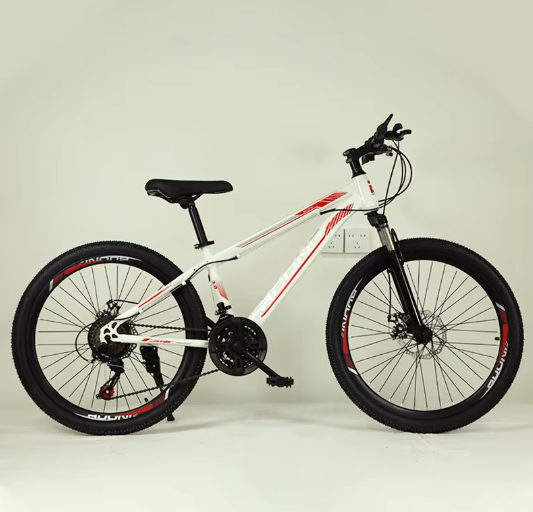
Partnering with an established oem bicycle manufacturer has become increasingly critical for brands seeking to enter the competitive cycling market. The global bicycle industry continues to expand, with growing demand for both traditional and electric bicycles across various demographics. Companies looking to launch their own bicycle brand or expand their product portfolio face complex decisions regarding manufacturing partnerships, quality control, and market positioning.
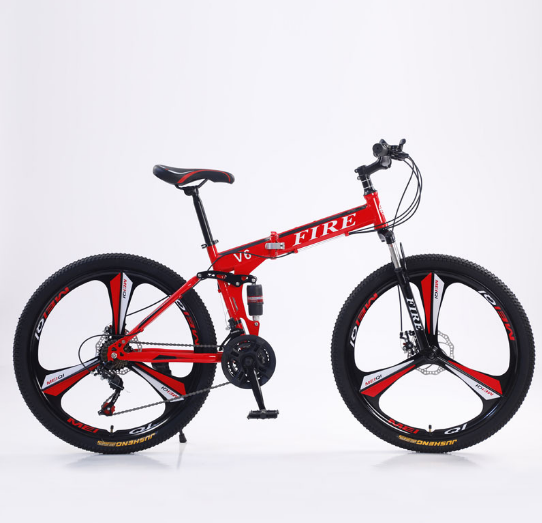
Working with the right oem bicycle manufacturer provides access to established production facilities, technical expertise, and supply chain networks that would take years to develop independently. These partnerships offer significant advantages in terms of cost efficiency, time to market, and product quality consistency. Understanding the benefits and considerations of OEM manufacturing relationships is essential for making informed strategic decisions.
Understanding OEM Bicycle Manufacturing
What Makes OEM Manufacturing Different
Original Equipment Manufacturing in the bicycle industry involves specialized facilities that produce bicycles according to client specifications while maintaining their own brand identity separate from the manufacturing process. An experienced oem bicycle manufacturer focuses on production excellence, technical innovation, and scalable manufacturing capabilities rather than consumer marketing or retail operations.
These manufacturers typically serve multiple brands simultaneously, allowing them to achieve economies of scale that benefit all their clients. The manufacturing expertise developed through diverse client relationships translates into improved production efficiency, quality control systems, and technical problem-solving capabilities.
Core Manufacturing Capabilities
Professional oem bicycle manufacturer facilities feature advanced production equipment, quality testing systems, and experienced engineering teams capable of handling complex product specifications. These capabilities include frame welding and assembly, component integration, paint and finishing processes, and comprehensive quality assurance testing.
Manufacturing flexibility allows OEM partners to accommodate various production volumes, from small batch custom orders to large-scale production runs. This scalability proves particularly valuable for brands experiencing growth or seasonal demand fluctuations.
Cost Advantages and Economic Benefits
Capital Investment Reduction
Establishing an in-house bicycle manufacturing operation requires substantial capital investment in specialized equipment, facility development, and skilled workforce recruitment. Partnering with an established oem bicycle manufacturer eliminates these upfront costs while providing access to state-of-the-art production capabilities.
The shared cost model of OEM manufacturing distributes facility overhead, equipment maintenance, and operational expenses across multiple client relationships. This arrangement allows brands to access premium manufacturing capabilities at a fraction of the cost required for independent facility development.
Supply Chain Efficiency
Experienced manufacturers maintain established relationships with component suppliers, raw material vendors, and logistics providers throughout the bicycle industry ecosystem. These relationships translate into better pricing, reliable supply continuity, and preferential treatment during supply chain disruptions.
Volume purchasing power enables an oem bicycle manufacturer to secure components at significantly reduced costs compared to individual brands attempting to source materials independently. These savings are typically passed on to clients through competitive manufacturing pricing.
Quality Control and Technical Expertise
Advanced Quality Systems
Professional OEM manufacturers implement comprehensive quality control systems that monitor every aspect of the production process. These systems include incoming material inspection, in-process quality checkpoints, final product testing, and continuous improvement protocols based on performance data analysis.
Quality certifications and compliance standards maintained by established manufacturers provide assurance that products meet international safety requirements and performance specifications. Working with a certified oem bicycle manufacturer helps brands navigate complex regulatory requirements across different markets.
Engineering and Design Support
Technical expertise available through OEM partnerships extends beyond basic manufacturing to include product development support, design optimization, and performance enhancement recommendations. Engineering teams can provide valuable input on material selection, manufacturing feasibility, and cost optimization strategies.
Collaborative design processes allow brands to leverage manufacturer expertise while maintaining control over product specifications and brand identity. This partnership approach often results in superior products that balance design aspirations with manufacturing realities.
Speed to Market and Scalability
Rapid Product Development
Established manufacturing relationships enable significantly faster product development cycles compared to building internal manufacturing capabilities. An experienced oem bicycle manufacturer can move from initial product specifications to production-ready prototypes in a fraction of the time required for independent facility development.
Existing production infrastructure and proven processes eliminate the learning curve associated with new manufacturing operations. This efficiency advantage allows brands to respond quickly to market opportunities and competitive pressures.
Production Flexibility
Scalable production capabilities provided by professional manufacturers accommodate varying demand levels without requiring brands to invest in excess capacity during slower periods. This flexibility proves particularly valuable for seasonal products or brands experiencing rapid growth.
Multiple production lines and diverse manufacturing capabilities allow an oem bicycle manufacturer to handle different product categories simultaneously, supporting brand expansion into new market segments without operational complications.
Risk Management and Market Access
Operational Risk Mitigation
Manufacturing partnerships distribute operational risks across established business relationships rather than concentrating risk within a single organization. Professional OEM manufacturers typically maintain comprehensive insurance coverage, regulatory compliance programs, and business continuity plans that protect client interests.
Diversified client bases and established operational procedures provide stability and reliability that independent manufacturing operations often struggle to achieve, particularly during economic downturns or supply chain disruptions.
International Market Access
Working with an internationally experienced oem bicycle manufacturer provides access to global markets through established export capabilities, regulatory knowledge, and international shipping infrastructure. These capabilities are particularly valuable for brands seeking to expand beyond domestic markets.
Established trade relationships and market knowledge help brands navigate complex international requirements including product certifications, import regulations, and local market preferences.
Strategic Partnership Development
Long-term Relationship Benefits
Successful OEM partnerships evolve into strategic relationships that provide competitive advantages beyond basic manufacturing services. Long-term partnerships often result in preferential treatment, priority production scheduling, and collaborative innovation opportunities that benefit both parties.
Established relationships with a reliable oem bicycle manufacturer create barriers to entry for competitors while providing brands with predictable production costs and delivery schedules that support accurate business planning and customer commitments.
Innovation and Technology Access
Professional manufacturers continuously invest in new technologies, production techniques, and product innovations to maintain competitive advantages. Partnership relationships provide brands with access to these innovations without requiring independent research and development investments.
Collaborative innovation programs allow brands to influence manufacturer technology development while sharing the costs and risks associated with new product development initiatives.
Selecting the Right Manufacturing Partner
Evaluation Criteria
Choosing an appropriate oem bicycle manufacturer requires careful evaluation of production capabilities, quality systems, financial stability, and cultural compatibility. Due diligence should include facility visits, reference checks, and detailed analysis of manufacturing processes and quality control procedures.
Communication capabilities and responsiveness are critical factors that impact the success of manufacturing partnerships. Effective partnerships require clear communication channels, regular progress updates, and collaborative problem-solving approaches.
Partnership Structure and Agreements
Successful manufacturing relationships require well-structured agreements that clearly define responsibilities, quality standards, delivery expectations, and intellectual property protections. Legal frameworks should address both routine operational requirements and contingency planning for potential disruptions.
Payment terms, pricing structures, and volume commitments need careful negotiation to ensure mutually beneficial arrangements that support both brand growth objectives and manufacturer operational requirements.
FAQ
How do I evaluate the quality standards of an oem bicycle manufacturer
Quality evaluation should include reviewing manufacturing certifications, conducting facility inspections, examining sample products, and checking references from existing clients. Look for ISO certifications, safety compliance records, and comprehensive quality control documentation. Request detailed information about testing procedures, defect rates, and continuous improvement programs.
What minimum order quantities should I expect when working with OEM manufacturers
Minimum order quantities vary significantly depending on the manufacturer, product complexity, and customization requirements. Most established oem bicycle manufacturer partners require orders of 100-500 units for standard products, while custom designs may require larger minimums of 1000 units or more. Discuss volume requirements early in the partnership evaluation process.
How can I protect my brand identity and intellectual property in OEM relationships
Intellectual property protection requires comprehensive legal agreements including non-disclosure agreements, exclusive manufacturing clauses, and clear ownership definitions for custom designs and specifications. Work with legal counsel experienced in international manufacturing agreements to ensure adequate protection. Consider trademark registration and design patents for unique product features.
What factors affect pricing when working with an oem bicycle manufacturer
Pricing factors include order volume, product complexity, customization requirements, material specifications, packaging needs, and delivery timelines. Labor costs, raw material prices, and currency exchange rates also impact final pricing. Establish clear pricing structures that account for volume breaks and long-term partnership benefits to ensure predictable cost planning.
Table of Contents
- Understanding OEM Bicycle Manufacturing
- Cost Advantages and Economic Benefits
- Quality Control and Technical Expertise
- Speed to Market and Scalability
- Risk Management and Market Access
- Strategic Partnership Development
- Selecting the Right Manufacturing Partner
-
FAQ
- How do I evaluate the quality standards of an oem bicycle manufacturer
- What minimum order quantities should I expect when working with OEM manufacturers
- How can I protect my brand identity and intellectual property in OEM relationships
- What factors affect pricing when working with an oem bicycle manufacturer