
 EN
EN



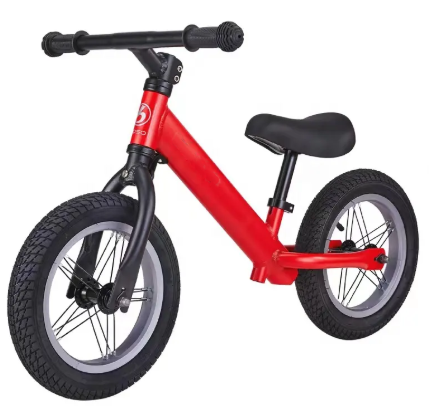
The world of children's cycling has evolved significantly over the past decade, with parents increasingly recognizing the tremendous benefits of starting their little ones on two wheels earlier than ever before. Modern child development experts and pediatric professionals consistently recommend introducing young children to cycling through specialized training methods that prioritize safety, confidence building, and natural skill development. Among the various options available for teaching children how to ride, one particular approach has emerged as the clear favorite among parents, educators, and child development specialists worldwide.
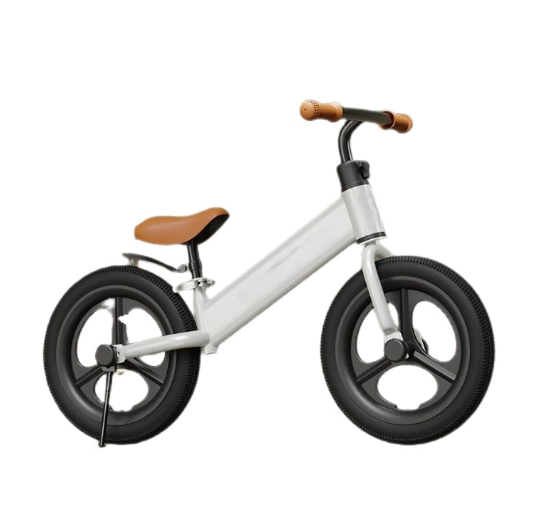
The revolutionary concept behind balance bikes represents a fundamental shift in how we approach early childhood mobility training. Unlike traditional tricycles or training wheel bicycles that create dependencies and potentially harmful riding habits, balance bikes focus on developing the most critical skill required for successful cycling: balance itself. These innovative vehicles eliminate pedals entirely, allowing children to concentrate solely on mastering balance, steering, and coordination without the added complexity of pedaling mechanics.
Research conducted by leading child development institutes has consistently demonstrated that children who begin their cycling journey with balance bikes develop superior riding skills compared to those who start with training wheels or tricycles. The natural learning progression facilitated by balance bikes allows young riders to develop muscle memory, spatial awareness, and confidence at their own pace, creating a solid foundation for future cycling success.
Developmental Benefits for Growing Children
Enhanced Motor Skills and Coordination
The physical development benefits associated with balance bike usage extend far beyond simple cycling preparation. When children regularly use these specialized vehicles, they engage multiple muscle groups simultaneously, promoting comprehensive physical development that supports overall growth and health. The core muscles, leg muscles, and upper body all work together to maintain stability and control while riding.
Balance bikes require children to coordinate their movements precisely, developing fine and gross motor skills that translate into improved performance in various physical activities. The constant micro-adjustments needed to maintain balance while steering and moving forward create neural pathways that enhance overall coordination and body awareness. These skills prove invaluable not only for future cycling but also for sports participation, playground activities, and general physical confidence.
The proprioceptive benefits gained from balance bike usage cannot be overstated. Children develop an enhanced sense of their body position in space, learning to make instantaneous adjustments to maintain equilibrium. This heightened spatial awareness contributes to improved performance in various physical activities and reduces the likelihood of falls and injuries during play.
Cognitive Development and Problem-Solving Skills
Beyond the obvious physical benefits, balance bikes provide exceptional cognitive stimulation that supports brain development during crucial early years. Children must constantly process environmental information, make split-second decisions about steering and speed, and adapt their riding technique to different surfaces and conditions. This mental engagement promotes critical thinking skills and improves decision-making abilities.
The problem-solving aspects of balance bike riding are particularly beneficial for developing minds. Children learn to navigate obstacles, adjust their speed based on terrain changes, and develop strategies for maintaining control in various situations. These cognitive challenges stimulate neural development and enhance learning capacity across multiple domains.
Memory formation and retention also benefit significantly from balance bike usage. Children must remember and apply learned techniques, developing procedural memory that supports skill acquisition in other areas of learning. The repetitive nature of balance bike practice strengthens neural connections and improves overall cognitive function.
Safety Advantages Over Traditional Training Methods
Reduced Risk of Accidents and Injuries
Safety considerations represent one of the most compelling reasons parents choose balance bikes over traditional training methods. The low-to-ground design of most balance bikes ensures that children remain close to the surface, significantly reducing the potential for serious injuries in case of falls. The ability to place both feet firmly on the ground at any moment provides an immediate safety mechanism that training wheels simply cannot match.
Traditional training wheels create a false sense of security while actually increasing certain types of accidents. Children riding with training wheels often develop poor steering habits and may experience dangerous tip-overs when the training wheels catch on obstacles or uneven surfaces. Balance bike users develop natural instincts for maintaining stability and avoiding dangerous situations.
The gradual learning curve associated with balance bikes allows children to progress at their natural pace without being forced into potentially unsafe situations. Children gain confidence incrementally, building skills methodically rather than being thrust into complex riding scenarios before they possess the necessary abilities to handle them safely.
Natural Emergency Response Development
Balance bikes teach children essential emergency response skills that prove invaluable throughout their cycling journey. When faced with unexpected obstacles or challenging situations, balance bike riders instinctively know to put their feet down to regain control. This natural response becomes deeply ingrained and serves as a crucial safety mechanism for years to come.
The steering control developed through balance bike usage far exceeds that achieved through traditional training methods. Children learn precise steering techniques and develop the ability to make quick directional changes when necessary. This enhanced control significantly reduces the likelihood of accidents and improves overall riding safety.
Emergency braking techniques also develop naturally through balance bike usage. Children learn to control their speed using their feet, developing an intuitive understanding of momentum and stopping distances that serves them well when transitioning to pedal bikes with hand brakes.
Accelerated Learning and Skill Transfer
Faster Transition to Pedal Bikes
One of the most remarkable advantages of balance bikes lies in their ability to dramatically reduce the time required for children to master traditional pedal cycling. Studies have shown that children who begin with balance bikes typically learn to ride pedal bikes in a matter of hours or days, compared to weeks or months required by those starting with training wheels.
The skill transfer from balance bikes to pedal bikes occurs seamlessly because children have already mastered the most challenging aspect of cycling: balance itself. When ready to transition, they simply need to learn the pedaling motion while maintaining the balance and steering skills they have already developed. This natural progression eliminates the frustration and fear often associated with learning to ride.
The confidence gained through balance bike mastery translates directly to pedal bike success. Children approach their first pedal bike experience with established balance skills and proven ability to control a two-wheeled vehicle. This confidence foundation accelerates the learning process and reduces the anxiety that often accompanies traditional bike learning methods.
Superior Balance and Control Development
The balance skills developed through dedicated balance bike practice far exceed those achieved through any other training method. Children learn to maintain equilibrium while moving at various speeds, navigating turns, and handling different surface conditions. This comprehensive balance training creates a solid foundation for advanced cycling skills.
Control development extends beyond simple balance to include precise steering, speed management, and situational awareness. Balance bike riders develop an intuitive understanding of how steering inputs affect bike behavior, learning to make subtle adjustments that maintain smooth, controlled movement. This advanced control translates directly to superior pedal bike performance.
The natural learning progression facilitated by balance bikes allows children to develop skills organically, without the artificial constraints imposed by training wheels or the overwhelming complexity of learning balance and pedaling simultaneously. This focused approach produces superior results in less time with greater retention.
Long-Term Benefits and Life Skills
Building Confidence and Independence
The confidence-building aspects of balance bike usage extend far beyond cycling skills, contributing to overall personality development and self-esteem. Children who successfully master balance bikes gain a sense of accomplishment and capability that positively influences their approach to other challenges. This enhanced self-confidence becomes a valuable asset throughout childhood and beyond.
Independence development represents another crucial benefit of balance bike usage. Children learn to assess their abilities, make decisions about speed and direction, and take responsibility for their safety while riding. These independence skills transfer to other areas of life, promoting self-reliance and decision-making capabilities.
The goal-setting and achievement aspects of balance bike mastery teach children valuable lessons about persistence and practice. As they progress from tentative first attempts to confident riding, children learn that consistent effort leads to improvement and success. These lessons prove invaluable in academic pursuits, sports participation, and personal development.
Physical Fitness and Healthy Lifestyle Foundation
Balance bikes establish early patterns of physical activity that contribute to lifelong fitness habits. Children who enjoy balance bike riding are more likely to continue cycling as they grow older, maintaining an active lifestyle that supports overall health and well-being. The enjoyment factor associated with balance bikes makes physical activity feel like play rather than exercise.
The cardiovascular benefits of balance bike usage, while moderate compared to more intensive activities, still contribute to overall fitness development. Regular riding sessions promote heart health, improve endurance, and support healthy weight management. These physical benefits complement the motor skill development achieved through balance bike practice.
Outdoor activity promotion represents another significant advantage of balance bike usage. In an era of increasing screen time and sedentary behavior among children, balance bikes provide compelling motivation to spend time outdoors, exploring neighborhoods, parks, and natural environments. This outdoor exposure supports mental health, vitamin D production, and overall well-being.
FAQ
At what age should children start using balance bikes
Most children can begin using balance bikes between 18 months and 2 years of age, depending on their individual development and coordination. The key indicators for readiness include the ability to walk confidently, maintain basic balance while standing, and show interest in wheeled toys. Children should be able to straddle the bike with both feet flat on the ground while maintaining a slight bend in their knees for optimal safety and control.
How long does it typically take for children to master balance bike riding
The learning timeline varies significantly based on individual factors such as age, coordination level, and practice frequency. Most children show significant progress within 2-4 weeks of regular practice, with many achieving confident riding within 1-3 months. Younger children may require longer to develop the necessary skills, while older children often progress more quickly due to enhanced coordination and understanding.
Can balance bikes be used on different types of terrain
Quality balance bikes are designed to handle various terrain types, including sidewalks, paved paths, packed dirt trails, and grass surfaces. However, parents should consider the specific design features of their chosen balance bike, such as tire type and suspension, when determining appropriate riding surfaces. Pneumatic tires provide better traction and comfort on rough surfaces, while solid tires work well on smooth pavements.
What safety gear should children wear while using balance bikes
Essential safety gear for balance bike riding includes a properly fitted helmet that meets safety standards, along with knee and elbow pads for additional protection during the learning process. Closed-toe shoes with good grip are also important for maintaining control and protecting feet. As children gain confidence and skill, parents may choose to reduce protective gear, but helmets should always remain a requirement for safe riding practices.