
 EN
EN



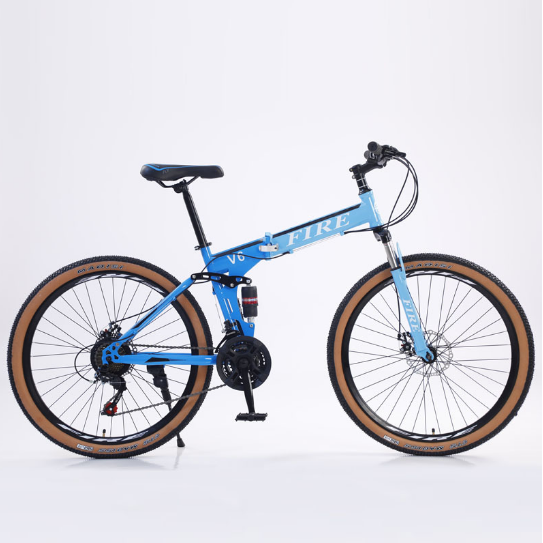
The bicycle manufacturing industry has evolved significantly over the past decade, with businesses increasingly turning to specialized production partners to meet growing market demands. Working with an oem bicycle manufacturer offers companies a strategic advantage in today's competitive marketplace, enabling them to focus on brand development and market expansion while leveraging expert manufacturing capabilities. This partnership model has become the cornerstone of successful bicycle businesses worldwide, from small startups to established global brands.
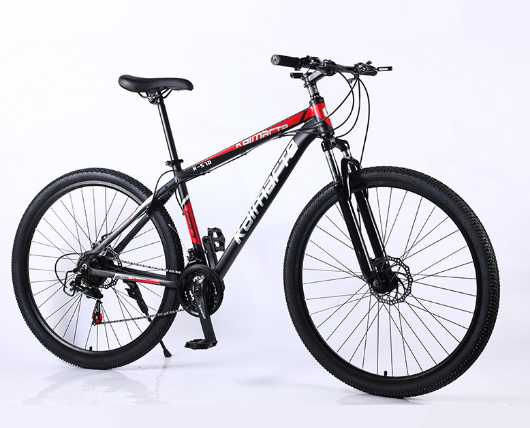
Understanding OEM Manufacturing in the Bicycle Industry
Definition and Core Concepts
Original Equipment Manufacturing represents a business model where specialized factories produce bicycles according to client specifications and brand requirements. An oem bicycle manufacturer operates as a production partner, handling the entire manufacturing process from design validation to final assembly. This relationship allows bicycle companies to bring products to market without investing in expensive manufacturing infrastructure, machinery, or specialized workforce training.
The OEM model differs significantly from traditional manufacturing approaches because it emphasizes collaboration between the brand owner and production facility. Manufacturing partners work closely with clients to ensure product quality meets brand standards while maintaining cost efficiency. This collaborative approach enables bicycle companies to leverage decades of manufacturing expertise without the substantial capital investment required for in-house production capabilities.
Market Positioning and Strategic Benefits
Choosing an oem bicycle manufacturer provides companies with immediate access to established production networks and supply chain relationships. These manufacturers typically maintain partnerships with component suppliers, raw material vendors, and logistics providers, creating an integrated ecosystem that supports efficient production cycles. The strategic positioning allows bicycle brands to scale operations rapidly while maintaining quality consistency across product lines.
Market positioning advantages extend beyond production capabilities to include regulatory compliance and international standards certification. Established manufacturing partners understand global safety requirements, quality certifications, and export regulations, ensuring products meet market-specific standards without additional compliance investments from the brand owner.
Cost-Effectiveness and Financial Advantages
Capital Investment Reduction
The financial benefits of partnering with an oem bicycle manufacturer begin with significant capital investment reduction. Building manufacturing facilities requires substantial upfront costs for land acquisition, building construction, equipment procurement, and workforce development. These investments can reach millions of dollars before production begins, creating significant financial barriers for emerging bicycle companies and established brands expanding product lines.
Working with established manufacturing partners eliminates these capital requirements while providing immediate access to state-of-the-art production facilities. Companies can redirect financial resources toward marketing, research and development, and market expansion activities that directly contribute to revenue generation and brand growth.
Operational Cost Optimization
Operational cost optimization through OEM partnerships extends beyond initial capital savings to include ongoing production expenses. An experienced oem bicycle manufacturer achieves economies of scale through high-volume procurement of raw materials, components, and manufacturing supplies. These bulk purchasing advantages translate to lower per-unit production costs that individual companies cannot typically achieve independently.
Labor cost optimization represents another significant financial advantage, particularly for companies based in higher-cost manufacturing regions. OEM partners often operate in locations with competitive labor markets while maintaining skilled workforce capabilities necessary for quality bicycle production. This geographic arbitrage enables cost-effective manufacturing without compromising product quality or production standards.
Quality Control and Manufacturing Expertise
Specialized Knowledge and Experience
Manufacturing expertise accumulated over years of bicycle production cannot be easily replicated through internal development programs. An established oem bicycle manufacturer brings decades of experience in frame construction, component integration, assembly processes, and quality testing procedures. This specialized knowledge ensures consistent product quality while minimizing production issues that could affect brand reputation.
Technical expertise encompasses material selection, manufacturing process optimization, and quality assurance protocols developed through continuous improvement programs. Manufacturing partners understand the nuances of different bicycle categories, from children's bikes to high-performance racing models, ensuring appropriate production techniques for each product type.
Advanced Quality Assurance Systems
Quality assurance systems implemented by professional manufacturing partners typically exceed standards achievable through in-house production capabilities. These systems include comprehensive testing protocols, statistical process control, and continuous monitoring procedures that ensure consistent product quality across production runs. Advanced quality management systems also include traceability features that enable rapid response to quality issues if they arise.
Manufacturing facilities maintain certification programs that demonstrate compliance with international quality standards and safety requirements. These certifications require regular audits and continuous improvement initiatives that ensure quality systems remain current with industry best practices and regulatory requirements.
Production Scalability and Flexibility
Demand Response Capabilities
Production scalability represents a critical advantage when working with an oem bicycle manufacturer, particularly for companies experiencing seasonal demand fluctuations or rapid market growth. Established manufacturing partners maintain flexible production capacity that can accommodate varying order volumes without requiring long-term commitments or capacity investments from bicycle companies.
Demand response capabilities include the ability to increase production during peak seasons and scale back during slower periods, optimizing inventory management and cash flow for bicycle brands. This flexibility enables companies to respond quickly to market opportunities without overcommitting resources or maintaining excess inventory during off-peak periods.
Product Line Diversification Support
Manufacturing partners typically support product line diversification initiatives by providing expertise across multiple bicycle categories and manufacturing techniques. An experienced oem bicycle manufacturer can produce various bicycle types, from basic transportation models to specialized performance bikes, enabling brands to expand market reach without developing separate manufacturing capabilities for each product category.
Diversification support includes rapid prototyping capabilities, design optimization services, and production planning assistance that accelerates time-to-market for new products. This comprehensive support enables bicycle companies to respond quickly to market trends and consumer preferences without extensive internal development resources.
Supply Chain Integration and Efficiency
Established Supplier Networks
Supply chain advantages achieved through OEM partnerships include access to established supplier networks that have been developed and optimized over many years. An oem bicycle manufacturer maintains relationships with component suppliers, raw material vendors, and specialized service providers that ensure consistent material availability and competitive pricing.
These supplier relationships include negotiated pricing agreements, quality specifications, and delivery schedules that benefit all production partners. Bicycle companies gain access to these advantageous arrangements without investing time and resources in supplier development and relationship management activities.
Logistics and Distribution Optimization
Logistics optimization through manufacturing partnerships includes streamlined shipping arrangements, consolidated freight services, and international shipping expertise that reduces transportation costs and delivery times. Manufacturing partners understand export procedures, documentation requirements, and customs regulations that facilitate smooth international shipping processes.
Distribution network integration enables efficient product flow from manufacturing facilities to end customers, reducing inventory requirements and improving cash flow management. This integrated approach minimizes handling steps and associated costs while maintaining product quality throughout the distribution process.
Innovation and Design Support
Research and Development Collaboration
Innovation support provided by manufacturing partners extends beyond production capabilities to include collaborative research and development programs. An experienced oem bicycle manufacturer often maintains engineering teams that work closely with clients on product improvement initiatives, new technology integration, and design optimization projects.
Collaborative development programs leverage manufacturing expertise to ensure new designs are optimized for production efficiency while maintaining performance requirements. This collaboration reduces development time and costs while improving the likelihood of successful product launches.
Technology Integration and Advancement
Technology integration capabilities enable bicycle companies to incorporate advanced features and components without developing internal technical expertise. Manufacturing partners stay current with industry technology trends and can provide guidance on emerging technologies that enhance product performance or reduce production costs.
Advanced manufacturing technologies, including automated assembly systems and computer-controlled quality testing equipment, are typically available through manufacturing partnerships without requiring capital investments from bicycle companies. This access to advanced technology enables competitive product features while maintaining cost-effective production processes.
Risk Management and Business Continuity
Production Risk Mitigation
Risk mitigation advantages include protection against production disruptions, quality issues, and supply chain interruptions that could significantly impact business operations. An established oem bicycle manufacturer typically maintains contingency plans and backup systems that ensure production continuity even during unexpected challenges.
Production risk mitigation includes diversified supplier bases, backup equipment systems, and established quality control procedures that minimize the likelihood of significant production problems. These risk management systems provide business continuity assurance that would be difficult and expensive to develop independently.
Regulatory Compliance and Standards Management
Compliance management represents a significant risk mitigation advantage when working with experienced manufacturing partners. An oem bicycle manufacturer understands regulatory requirements across multiple markets and maintains systems to ensure products meet applicable safety standards and certification requirements.
Standards management includes ongoing monitoring of regulatory changes and proactive adaptation of production processes to maintain compliance. This comprehensive approach protects bicycle companies from regulatory risks while ensuring market access across diverse geographic regions.
FAQ
What should companies look for when selecting an oem bicycle manufacturer?
Companies should evaluate manufacturing partners based on production capacity, quality certifications, experience with similar products, financial stability, and communication capabilities. Important factors include facility certifications, client references, quality management systems, and ability to meet delivery schedules. Technical capabilities should align with product requirements, and manufacturing partners should demonstrate flexibility to accommodate changing business needs.
How does working with an oem bicycle manufacturer affect product quality compared to in-house production?
Professional manufacturing partners typically achieve superior quality consistency through specialized expertise, advanced equipment, and established quality control systems. An experienced oem bicycle manufacturer invests continuously in quality improvement programs and maintains certifications that ensure consistent product standards. The combination of specialized knowledge and dedicated quality systems often produces better results than companies can achieve through in-house production capabilities.
What are the typical minimum order quantities when working with bicycle manufacturers?
Minimum order quantities vary significantly depending on product complexity, customization requirements, and manufacturing partner capabilities. Standard bicycle models may have minimum orders ranging from 100 to 1000 units, while highly customized products might require smaller minimums. An established oem bicycle manufacturer often provides flexible ordering options that accommodate different business sizes and market testing requirements.
How long does it typically take to establish a partnership with a bicycle manufacturing company?
Partnership development timelines typically range from 2-6 months, depending on product complexity, customization requirements, and quality approval processes. Initial discussions and capability assessments usually take 2-4 weeks, followed by sample production and testing phases that may require 4-8 weeks. Final production setup and first order completion generally require an additional 4-12 weeks, depending on product specifications and order volume.
Table of Contents
- Understanding OEM Manufacturing in the Bicycle Industry
- Cost-Effectiveness and Financial Advantages
- Quality Control and Manufacturing Expertise
- Production Scalability and Flexibility
- Supply Chain Integration and Efficiency
- Innovation and Design Support
- Risk Management and Business Continuity
-
FAQ
- What should companies look for when selecting an oem bicycle manufacturer?
- How does working with an oem bicycle manufacturer affect product quality compared to in-house production?
- What are the typical minimum order quantities when working with bicycle manufacturers?
- How long does it typically take to establish a partnership with a bicycle manufacturing company?