
 EN
EN



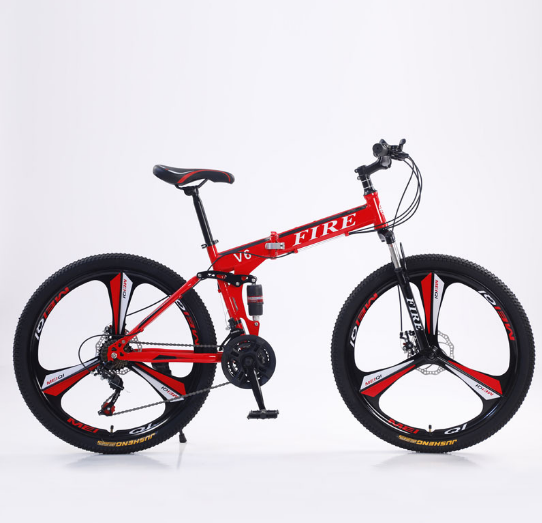
The bicycle industry has experienced unprecedented growth in recent years, driven by increased environmental awareness, health consciousness, and evolving transportation needs. For businesses seeking to enter this lucrative market, partnering with a reliable oem bicycle manufacturer has become a strategic imperative. The success of any bicycle brand depends heavily on the manufacturing partner's ability to deliver consistent quality, innovative designs, and scalable production capabilities that meet diverse market demands.
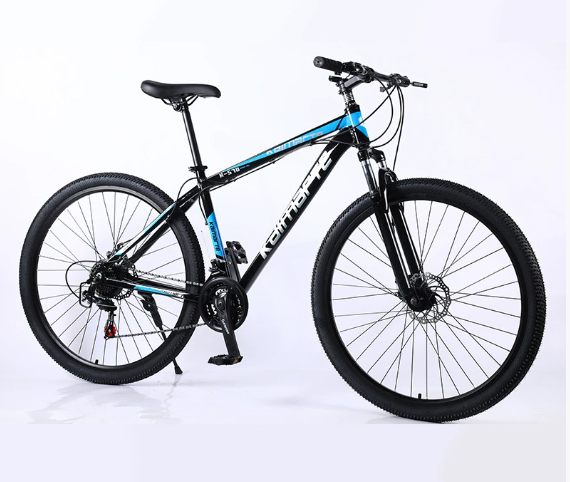
Understanding the complexities of bicycle manufacturing requires deep insight into materials science, engineering principles, and market trends. A professional oem bicycle manufacturer must navigate stringent safety regulations, evolving consumer preferences, and competitive pricing pressures while maintaining profitability and operational efficiency. The modern manufacturing landscape demands sophisticated quality control systems, advanced production technologies, and flexible supply chain management to succeed in today's dynamic marketplace.
Quality Assurance Systems in Modern Bicycle Manufacturing
Implementation of Comprehensive Testing Protocols
Every reputable oem bicycle manufacturer establishes rigorous testing protocols that exceed international safety standards such as ISO 4210 and EN 14764. These comprehensive testing procedures include frame fatigue testing, brake performance evaluation, and component durability assessments that simulate years of real-world usage. Advanced testing facilities utilize sophisticated equipment including hydraulic testing machines, environmental chambers, and computerized measurement systems to ensure consistent product quality across all production runs.
The testing process encompasses multiple stages from raw material inspection to final product validation. Materials undergo tensile strength testing, chemical composition analysis, and corrosion resistance evaluation before entering the production line. Component suppliers must provide certification documentation and undergo regular audits to maintain approved vendor status. This multi-layered approach ensures that every bicycle meets or exceeds established quality benchmarks throughout the entire manufacturing process.
Statistical Process Control and Continuous Improvement
Modern oem bicycle manufacturer operations rely heavily on statistical process control methodologies to monitor production variables and identify potential quality issues before they impact finished products. Real-time data collection systems track critical parameters such as welding temperatures, frame alignment tolerances, and assembly torque specifications. This data-driven approach enables immediate corrective actions and prevents defective products from reaching customers.
Continuous improvement initiatives leverage Six Sigma principles and lean manufacturing concepts to optimize production efficiency while maintaining quality standards. Regular analysis of customer feedback, warranty claims, and field performance data provides valuable insights for product refinement and process optimization. These systematic approaches help manufacturers reduce waste, minimize defects, and enhance overall customer satisfaction through consistent product performance.
Innovation Strategies for Competitive Advantage
Research and Development Investment
Leading oem bicycle manufacturer companies allocate significant resources to research and development activities that drive innovation and differentiate their products in competitive markets. These investments focus on advanced materials research, aerodynamic optimization, weight reduction techniques, and integration of smart technologies. Collaboration with universities, research institutions, and technology partners accelerates the development of breakthrough innovations that address evolving consumer needs.
Innovation laboratories equipped with computer-aided design software, 3D printing capabilities, and virtual testing environments enable rapid prototyping and concept validation. Engineers utilize finite element analysis, computational fluid dynamics, and other simulation technologies to optimize designs before physical prototyping. This approach reduces development costs, shortens time-to-market, and increases the likelihood of successful product launches in target market segments.
Technology Integration and Smart Features
The integration of smart technologies represents a significant opportunity for forward-thinking oem bicycle manufacturer operations to create value-added products that command premium pricing. GPS tracking systems, integrated lighting solutions, electronic shifting mechanisms, and smartphone connectivity features appeal to tech-savvy consumers seeking enhanced functionality. These technological enhancements require sophisticated supply chain management and specialized assembly processes that demonstrate manufacturing expertise.
Successful technology integration demands close collaboration with electronics suppliers, software developers, and component manufacturers to ensure seamless system integration and reliable performance. Manufacturers must invest in specialized equipment, training programs, and quality control procedures to handle electronic components and complex assembly processes. This technological capability becomes a competitive differentiator that attracts premium brand partners seeking innovative product solutions.
Supply Chain Management and Vendor Relationships
Strategic Supplier Selection and Partnership Development
Effective supply chain management represents a critical success factor for any oem bicycle manufacturer seeking to maintain competitive pricing while ensuring component quality and delivery reliability. Strategic supplier selection processes evaluate potential partners based on quality certifications, production capacity, financial stability, and technological capabilities. Long-term partnership agreements with key suppliers create mutual benefits through volume commitments, joint development projects, and shared quality improvement initiatives.
Supplier relationship management programs include regular performance assessments, capability audits, and continuous improvement collaborations that strengthen the overall supply chain. Diversification strategies reduce dependency risks by developing multiple qualified sources for critical components while maintaining preferred partner relationships. These strategic approaches ensure consistent material availability and help manufacturers respond effectively to market demand fluctuations and supply chain disruptions.
Inventory Management and Production Planning
Sophisticated inventory management systems enable oem bicycle manufacturer operations to optimize working capital while maintaining adequate stock levels to support production schedules. Advanced planning software integrates demand forecasting, seasonal adjustments, and promotional activities to determine optimal inventory levels across all product lines. Just-in-time delivery arrangements with key suppliers reduce carrying costs while ensuring material availability for production operations.
Production planning systems coordinate manufacturing schedules with supplier deliveries, quality control processes, and customer delivery requirements. These integrated systems provide real-time visibility into production status, identify potential bottlenecks, and enable proactive scheduling adjustments. Effective planning reduces lead times, minimizes inventory carrying costs, and improves customer satisfaction through reliable delivery performance.
Market Adaptation and Customer Requirements
Regional Market Understanding and Customization
Successful oem bicycle manufacturer companies develop deep understanding of regional market preferences, regulatory requirements, and cultural factors that influence product design and specification decisions. European markets emphasize robust construction and weather resistance, while Asian markets often prioritize compact designs and urban functionality. North American consumers frequently seek performance features and recreational capabilities that require different engineering approaches and component selections.
Customization capabilities enable manufacturers to adapt standard platforms for specific market requirements without compromising production efficiency or cost structure. Modular design approaches facilitate regional variations in components, colors, graphics, and accessories while maintaining core engineering integrity. This flexibility allows brand partners to address diverse market segments effectively while leveraging economies of scale in core manufacturing processes.
Regulatory Compliance and Certification Management
International bicycle markets require compliance with numerous safety standards, environmental regulations, and import requirements that vary significantly across different regions. Professional oem bicycle manufacturer operations maintain comprehensive certification programs that ensure products meet all applicable requirements in target markets. Regulatory expertise includes understanding of testing protocols, documentation requirements, and certification processes for major global markets.
Certification management systems track compliance status across product lines and monitor regulatory changes that may impact existing products or future developments. Proactive compliance strategies anticipate regulatory trends and incorporate requirements into product development processes from initial concept stages. This approach prevents costly redesigns and certification delays that could impact market entry timing and competitive positioning.
Production Efficiency and Cost Management
Lean Manufacturing Implementation
Modern oem bicycle manufacturer facilities implement lean manufacturing principles to eliminate waste, reduce production costs, and improve operational efficiency throughout the entire value stream. Value stream mapping identifies non-value-added activities and opportunities for process improvement across all manufacturing operations. Standardized work procedures ensure consistent quality and productivity while facilitating employee training and cross-functional flexibility.
Continuous flow production systems minimize work-in-process inventory and reduce manufacturing lead times through optimized layout designs and balanced production lines. Pull-based production systems respond directly to customer demand rather than building inventory based on forecasts, reducing carrying costs and obsolescence risks. These efficiency improvements translate directly into competitive pricing advantages and improved profitability for both manufacturers and their brand partners.
Automation and Technology Integration
Strategic automation investments enable oem bicycle manufacturer operations to improve consistency, reduce labor costs, and enhance production capacity without compromising quality standards. Robotic welding systems provide superior joint consistency and repeatability compared to manual processes while reducing operator fatigue and safety risks. Automated painting and finishing systems ensure uniform appearance quality and reduce material waste through precise application control.
Integration of manufacturing execution systems provides real-time production monitoring, quality tracking, and performance analysis capabilities that support data-driven decision making. These systems enable immediate identification of quality issues, production bottlenecks, and efficiency opportunities that might otherwise go undetected. Technology investments must be carefully evaluated to ensure positive return on investment while supporting long-term competitiveness and growth objectives.
Customer Support and After-Sales Service
Technical Support and Documentation
Comprehensive technical support services differentiate professional oem bicycle manufacturer companies from low-cost alternatives by providing valuable expertise and resources to brand partners throughout the product lifecycle. Detailed assembly instructions, maintenance procedures, and troubleshooting guides help customers maximize product performance and minimize support requirements. Technical hotlines staffed by experienced engineers provide immediate assistance for complex issues and specialized applications.
Documentation packages include complete specifications, quality certificates, regulatory compliance documentation, and marketing support materials that facilitate product launches and ongoing sales efforts. Digital asset libraries provide high-resolution product images, technical drawings, and marketing collateral that support brand partner promotional activities. These comprehensive support services create additional value beyond manufacturing capabilities and strengthen long-term customer relationships.
Warranty Management and Service Programs
Robust warranty programs demonstrate manufacturer confidence in product quality while providing customers with protection against defects and premature failures. Comprehensive warranty coverage includes frame integrity, component performance, and finish quality for specified time periods that reflect expected product lifecycles. Clear warranty terms and efficient claims processing procedures ensure customer satisfaction and maintain brand reputation in competitive markets.
Service programs may include replacement part availability, repair procedures, and technical training for dealer networks that sell branded products. Effective service support extends product lifecycles, reduces total cost of ownership, and creates positive customer experiences that drive repeat purchases and brand loyalty. These programs require investment in inventory management, logistics capabilities, and technical expertise that demonstrate long-term commitment to customer success.
FAQ
What certifications should I look for when selecting an oem bicycle manufacturer
When evaluating potential manufacturing partners, look for ISO 9001 quality management certification, ISO 14001 environmental management certification, and relevant safety standard compliance such as EN 14764 or CPSC certification. Additionally, verify that the manufacturer maintains current certifications from major market regions where you plan to sell products. These certifications demonstrate commitment to quality, environmental responsibility, and regulatory compliance that protects your brand reputation.
How can I ensure consistent quality across large production runs
Consistent quality requires comprehensive incoming material inspection, statistical process control during production, and final product testing before shipment. Work with your oem bicycle manufacturer to establish detailed quality specifications, inspection procedures, and acceptable tolerance ranges for critical dimensions and performance characteristics. Regular quality audits and production monitoring help identify potential issues early and maintain standards throughout extended production periods.
What minimum order quantities should I expect from professional manufacturers
Minimum order quantities vary significantly based on product complexity, customization requirements, and manufacturer capabilities, but typically range from 100 to 1000 units per model for established oem bicycle manufacturer companies. Higher volume requirements may apply for heavily customized products or new tooling development. Discuss your volume projections and growth plans during initial negotiations to establish realistic expectations and potential volume discounts for larger orders.
How long does typical product development take from concept to production
Product development timelines for new bicycle models typically require 6 to 12 months depending on complexity, customization requirements, and testing procedures. Simple modifications to existing platforms may require only 2-3 months, while completely new designs with custom tooling can take 12-18 months. Working with an experienced oem bicycle manufacturer with established processes and testing capabilities can significantly reduce development time and ensure successful market introduction timing.