
 EN
EN



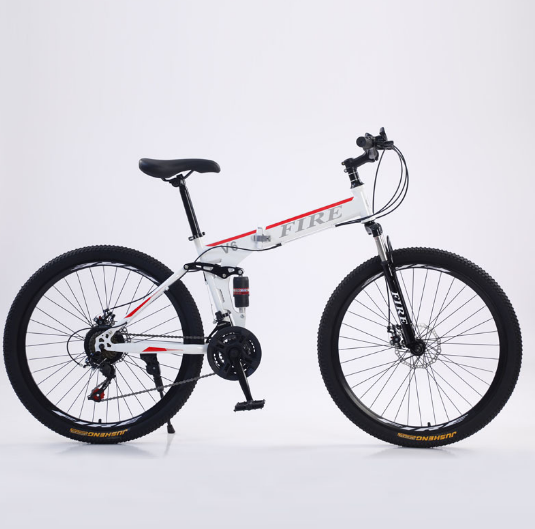
In today's competitive bicycle industry, businesses increasingly recognize the strategic value of partnering with an oem bicycle manufacturer. This collaboration model offers companies the opportunity to leverage specialized manufacturing expertise while focusing on their core competencies such as marketing, distribution, and brand development. The decision to work with an oem bicycle manufacturer represents a fundamental shift in how modern bicycle companies approach product development and market expansion.
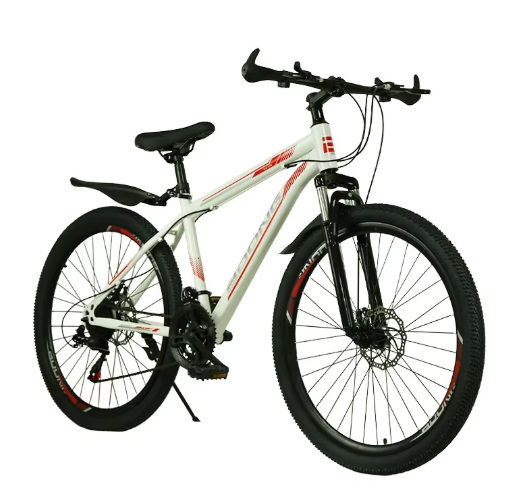
The global bicycle market has evolved dramatically over the past decade, with businesses seeking more efficient ways to bring innovative products to market. An oem bicycle manufacturer provides the essential foundation for companies looking to establish or expand their presence in the cycling industry without the substantial capital investment required to build manufacturing facilities. This partnership model has become increasingly popular among startups, established brands seeking to diversify their product lines, and companies looking to optimize their manufacturing costs while maintaining quality standards.
Understanding the OEM Manufacturing Model
Core Principles of OEM Partnerships
The relationship between businesses and an oem bicycle manufacturer operates on several fundamental principles that create mutual value. These partnerships typically involve the manufacturer producing bicycles according to the client's specifications, brand requirements, and quality standards. The oem bicycle manufacturer brings technical expertise, production capabilities, and often innovative design solutions to the partnership, while the client company focuses on brand development, marketing strategies, and customer relationships.
Successful OEM partnerships require clear communication channels, well-defined quality metrics, and shared commitment to product excellence. The oem bicycle manufacturer must understand the client's target market, brand positioning, and specific technical requirements. This understanding enables the manufacturer to recommend optimal materials, components, and manufacturing processes that align with the client's business objectives and budget constraints.
Manufacturing Capabilities and Expertise
Modern oem bicycle manufacturer facilities incorporate advanced manufacturing technologies, quality control systems, and skilled workforce capabilities. These manufacturers typically maintain relationships with component suppliers, understand international safety standards, and possess the technical knowledge to produce various bicycle categories. From children's bikes to high-performance racing models, an experienced oem bicycle manufacturer can adapt their production processes to meet diverse client requirements.
The technical expertise provided by an oem bicycle manufacturer extends beyond basic assembly operations. These manufacturers often contribute valuable insights regarding frame geometry, component selection, and manufacturing optimization. Their experience working with multiple clients across different market segments provides them with a broad perspective on industry trends, consumer preferences, and emerging technologies that can benefit new partnerships.
Cost Advantages and Economic Benefits
Capital Investment Reduction
Partnering with an oem bicycle manufacturer eliminates the substantial capital investment required to establish manufacturing operations. Building a bicycle manufacturing facility involves significant costs for equipment, tooling, facility construction, and workforce development. By working with an established oem bicycle manufacturer, businesses can access sophisticated manufacturing capabilities without the associated capital expenditure and operational complexity.
The economic benefits extend beyond initial capital savings to include reduced operational overhead, maintenance costs, and technical support expenses. An oem bicycle manufacturer has already invested in the necessary infrastructure, trained personnel, and quality systems required for efficient bicycle production. This allows client companies to focus their financial resources on market development, brand building, and customer acquisition activities that directly contribute to revenue growth.
Economies of Scale and Production Efficiency
An established oem bicycle manufacturer typically serves multiple clients, enabling them to achieve economies of scale in component procurement, production planning, and manufacturing operations. These cost advantages are often passed along to client companies in the form of competitive pricing and improved profit margins. The manufacturer's ability to optimize production schedules across multiple client orders results in better capacity utilization and reduced per-unit manufacturing costs.
Production efficiency benefits include streamlined manufacturing processes, reduced waste, and optimized quality control procedures. An experienced oem bicycle manufacturer has refined their operations through continuous improvement initiatives, resulting in higher productivity and consistent product quality. These operational advantages translate into reliable delivery schedules, predictable pricing, and improved overall business performance for client companies.
Quality Control and Manufacturing Standards
International Certification and Compliance
Reputable oem bicycle manufacturer facilities maintain certifications to international quality standards such as ISO 9001, ensuring consistent quality management processes. These manufacturers also comply with specific bicycle industry standards including CPSC, EN, and JIS requirements, depending on target markets. Compliance with these standards is essential for businesses seeking to sell bicycles in international markets, and partnering with a certified oem bicycle manufacturer provides assurance of regulatory compliance.
Quality certifications demonstrate the manufacturer's commitment to systematic quality management, continuous improvement, and customer satisfaction. An oem bicycle manufacturer with established quality systems typically maintains detailed documentation of manufacturing processes, conducts regular internal audits, and implements corrective actions when quality issues are identified. This systematic approach to quality management reduces the risk of product defects and enhances customer satisfaction.
Testing and Quality Assurance Procedures
Professional oem bicycle manufacturer operations include comprehensive testing facilities and quality assurance procedures. These may include frame strength testing, component durability testing, and finished product inspection protocols. The manufacturer's quality assurance team typically conducts both in-process quality checks and final product inspections to ensure compliance with client specifications and industry standards.
Advanced quality control systems employed by an oem bicycle manufacturer often include statistical process control, automated inspection equipment, and traceability systems. These tools enable early detection of potential quality issues and facilitate rapid corrective actions. The resulting product quality consistency helps client companies build strong brand reputations and reduce warranty-related costs.
Market Entry and Business Expansion
Accelerated Product Development Cycles
Collaborating with an experienced oem bicycle manufacturer significantly reduces the time required to bring new products to market. These manufacturers possess established design capabilities, prototyping facilities, and production systems that enable rapid product development cycles. The manufacturer's existing relationships with component suppliers and understanding of manufacturing processes eliminate many of the delays typically associated with new product launches.
The accelerated development timeline provided by an oem bicycle manufacturer allows businesses to respond quickly to market opportunities and competitive pressures. This agility is particularly valuable in the bicycle industry, where consumer preferences, technology trends, and seasonal demand patterns can change rapidly. Companies that can bring products to market quickly often capture significant competitive advantages and market share.
Geographic Market Expansion
An oem bicycle manufacturer with international experience can facilitate geographic market expansion for client companies. These manufacturers often understand regional preferences, regulatory requirements, and distribution channels in multiple markets. Their production capabilities may include the ability to customize products for specific regional requirements, such as different safety standards, cultural preferences, or climate considerations.
International expansion through an oem bicycle manufacturer partnership reduces the complexity and risk associated with entering new geographic markets. The manufacturer's experience with export documentation, logistics coordination, and regulatory compliance streamlines the market entry process. This support enables businesses to expand their geographic reach without developing extensive international operations expertise internally.
Innovation and Technical Development
Access to Advanced Manufacturing Technologies
Modern oem bicycle manufacturer facilities often incorporate advanced manufacturing technologies such as automated welding systems, precision machining equipment, and computer-controlled assembly processes. These technologies enable the production of high-quality bicycles with consistent specifications and improved manufacturing efficiency. Client companies benefit from access to these advanced capabilities without the substantial investment required to acquire and maintain such equipment.
The technological capabilities of an oem bicycle manufacturer may include specialized processes such as hydroforming, advanced welding techniques, and precision component manufacturing. These capabilities enable the production of innovative bicycle designs that might not be feasible with conventional manufacturing approaches. Access to advanced manufacturing technologies allows client companies to differentiate their products and compete effectively in premium market segments.
Collaborative Design and Engineering Support
Many oem bicycle manufacturer partnerships include collaborative design and engineering support services. The manufacturer's engineering team can provide valuable input regarding frame design optimization, component selection, and manufacturing feasibility. This collaborative approach often results in improved product designs that balance performance requirements, manufacturing efficiency, and cost considerations.
Engineering support from an oem bicycle manufacturer may include computer-aided design services, finite element analysis, and prototype development capabilities. These services enable rapid iteration of design concepts and validation of product performance before committing to full-scale production. The manufacturer's engineering expertise complements the client company's market knowledge and brand vision, resulting in products that meet both technical and commercial requirements.
Risk Management and Business Continuity
Production Risk Mitigation
Partnering with an established oem bicycle manufacturer helps mitigate various production-related risks that could impact business operations. These risks include equipment failures, quality issues, capacity constraints, and supply chain disruptions. An experienced manufacturer typically has contingency plans, backup systems, and alternative supplier relationships that minimize the impact of potential production disruptions.
Risk mitigation strategies employed by professional oem bicycle manufacturer operations include preventive maintenance programs, quality management systems, and diversified supplier networks. These measures help ensure consistent production capability and product quality, reducing the likelihood of delivery delays or quality issues that could impact client companies' business operations and customer relationships.
Supply Chain Management and Sourcing
An established oem bicycle manufacturer maintains relationships with component suppliers, raw material providers, and logistics partners that support reliable supply chain operations. These relationships often include negotiated pricing agreements, priority allocation arrangements, and quality assurance protocols that benefit client companies. The manufacturer's supply chain expertise helps ensure consistent availability of materials and components required for bicycle production.
Supply chain management capabilities of an oem bicycle manufacturer may include vendor qualification processes, inventory management systems, and logistics coordination services. These capabilities help optimize material costs, reduce inventory carrying costs, and ensure timely delivery of finished products. Effective supply chain management reduces the risk of production delays and cost overruns that could impact client companies' profitability and market performance.
FAQ
What should businesses consider when selecting an oem bicycle manufacturer?
When selecting an oem bicycle manufacturer, businesses should evaluate the manufacturer's production capabilities, quality certifications, technical expertise, and track record with similar projects. Key considerations include manufacturing capacity, quality management systems, component sourcing capabilities, and the manufacturer's ability to meet specific product requirements and delivery schedules. Additionally, businesses should assess the manufacturer's communication capabilities, financial stability, and commitment to long-term partnership success.
How does working with an oem bicycle manufacturer affect product customization options?
Most experienced oem bicycle manufacturer partners offer extensive customization options including frame geometry modifications, component selection, color schemes, and branding integration. The level of customization available depends on the manufacturer's capabilities, minimum order quantities, and tooling requirements. Many manufacturers can accommodate custom specifications for frame materials, welding techniques, and finishing processes, allowing businesses to create distinctive products that align with their brand positioning and target market requirements.
What are the typical minimum order quantities when working with an oem bicycle manufacturer?
Minimum order quantities vary significantly among oem bicycle manufacturer partners and depend on factors such as product complexity, customization requirements, and manufacturing processes involved. Some manufacturers may accept orders as small as 100-200 units for standard configurations, while custom designs or specialized components may require minimum orders of 500-1000 units or more. Businesses should discuss minimum order requirements early in the partnership evaluation process to ensure alignment with their market strategy and inventory management capabilities.
How can businesses ensure quality control when working with an oem bicycle manufacturer?
Businesses can ensure quality control by establishing clear product specifications, quality standards, and inspection protocols with their oem bicycle manufacturer partner. This includes defining acceptance criteria, testing requirements, and documentation standards for all aspects of production. Regular factory visits, third-party inspections, and sample approval processes help maintain quality consistency. Additionally, working with manufacturers that maintain relevant quality certifications and implement systematic quality management processes provides additional assurance of consistent product quality.
Table of Contents
- Understanding the OEM Manufacturing Model
- Cost Advantages and Economic Benefits
- Quality Control and Manufacturing Standards
- Market Entry and Business Expansion
- Innovation and Technical Development
- Risk Management and Business Continuity
-
FAQ
- What should businesses consider when selecting an oem bicycle manufacturer?
- How does working with an oem bicycle manufacturer affect product customization options?
- What are the typical minimum order quantities when working with an oem bicycle manufacturer?
- How can businesses ensure quality control when working with an oem bicycle manufacturer?