
 EN
EN



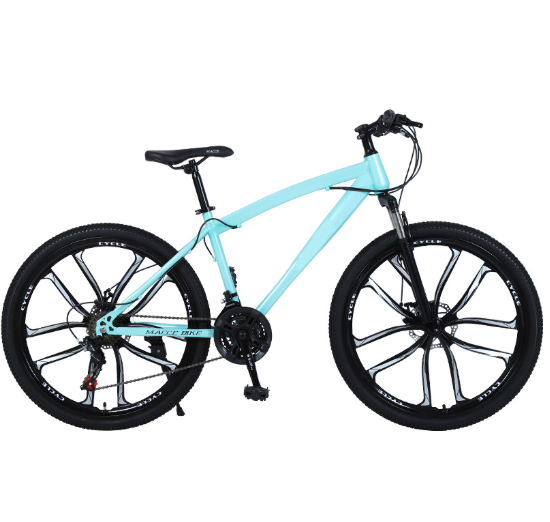
The retail landscape for mountain bikes has evolved dramatically, with resellers facing increasing pressure to balance quality products with competitive margins. Mountain bike wholesale represents a strategic approach that addresses these core business challenges while positioning retailers for sustainable growth. Understanding why wholesale procurement stands as the optimal solution requires examining the fundamental economics, operational advantages, and market positioning benefits that this approach delivers to resellers across various retail environments.
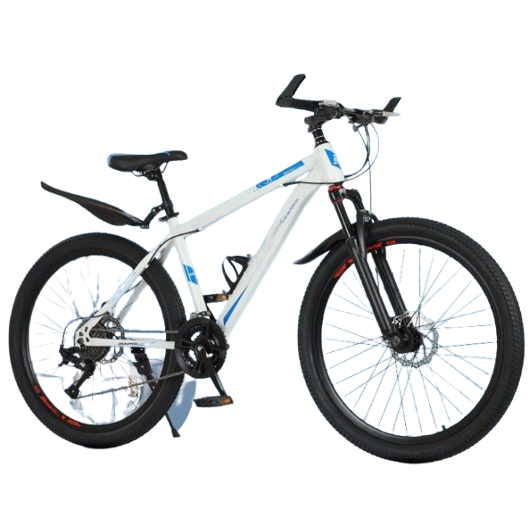
Resellers who embrace mountain bike wholesale gain access to a business model that fundamentally transforms their cost structure, inventory management, and competitive positioning. This wholesale approach enables retailers to achieve significant margin improvements while maintaining product quality standards that meet customer expectations. The strategic advantages extend beyond simple cost savings, encompassing operational efficiency, market flexibility, and the ability to respond rapidly to changing consumer demands in the dynamic mountain bike market.
Economic Advantages That Drive Reseller Success
Dramatic Margin Improvement Through Volume Purchasing
Mountain bike wholesale creates immediate margin advantages through volume-based pricing structures that significantly reduce per-unit costs. Wholesale suppliers typically offer pricing tiers that reward larger order quantities, allowing resellers to achieve cost reductions of 30-50% compared to traditional retail procurement methods. These savings translate directly into improved profit margins or competitive pricing flexibility that enables market share growth.
The economic impact extends beyond initial purchase prices, as mountain bike wholesale arrangements often include favorable payment terms that improve cash flow management. Extended payment periods and bulk ordering reduce the frequency of transactions, minimizing administrative overhead while maximizing purchasing power. Resellers can leverage these improved economics to invest in marketing, customer service, or inventory expansion that drives long-term business growth.
Reduced Operational Costs and Administrative Efficiency
Wholesale procurement streamlines operational processes by consolidating purchasing activities and reducing vendor management complexity. Instead of managing multiple supplier relationships and individual transactions, resellers can focus on fewer, more strategic wholesale partnerships that deliver greater efficiency. This consolidation reduces administrative costs, simplifies inventory tracking, and enables more predictable business planning.
The operational advantages of mountain bike wholesale include standardized ordering processes, consistent quality specifications, and reliable delivery schedules that improve overall business predictability. These operational improvements free up management time and resources that can be redirected toward customer-facing activities that drive sales growth and market expansion.
Inventory Management Benefits That Transform Operations
Strategic Stock Control and Demand Planning
Mountain bike wholesale enables sophisticated inventory management strategies that align stock levels with seasonal demand patterns and market trends. Wholesale suppliers often provide demand forecasting support and market intelligence that helps resellers optimize their inventory investments. This strategic approach reduces carrying costs while ensuring adequate stock availability during peak selling periods.
The inventory advantages include access to diverse product ranges within single wholesale relationships, enabling resellers to offer comprehensive mountain bike selections without managing numerous supplier partnerships. This consolidated approach simplifies stock management while providing customers with extensive choice across different price points, styles, and technical specifications.
Flexible Order Quantities and Seasonal Adaptation
Wholesale arrangements typically offer greater flexibility in order timing and quantities compared to traditional retail procurement methods. This flexibility enables resellers to adjust their purchasing patterns based on seasonal demand cycles, promotional opportunities, and market conditions. Mountain bike wholesale suppliers understand the seasonal nature of bicycle sales and structure their programs to support reseller success throughout varying demand periods.
The ability to scale inventory quickly during peak seasons while reducing stock during slower periods optimizes cash flow and minimizes storage costs. This operational flexibility proves particularly valuable in the mountain bike market, where demand can fluctuate significantly based on weather conditions, recreational trends, and seasonal cycling patterns.
Market Positioning and Competitive Advantages
Enhanced Product Differentiation Opportunities
Mountain bike wholesale provides access to unique product specifications and customization options that enable resellers to differentiate their offerings in competitive markets. Wholesale suppliers often offer exclusive models, custom color schemes, or specification modifications that help resellers create distinctive market positions. These differentiation opportunities enable premium pricing strategies and customer loyalty development.
The competitive advantages extend to marketing support and technical expertise that wholesale suppliers provide to their reseller partners. This support includes product training, marketing materials, and technical documentation that enhances the reseller's ability to serve customers effectively and position products appropriately within their market segments.
Scalability and Growth Enablement
Wholesale procurement creates natural scalability advantages that support business growth without proportional increases in operational complexity. As resellers expand their operations, mountain bike wholesale arrangements can accommodate increased volume requirements while maintaining favorable pricing structures. This scalability enables organic growth strategies that would be difficult to achieve through traditional retail procurement methods.
The growth enablement aspects include access to new product categories and market segments through established wholesale relationships. Successful mountain bike wholesale partnerships often expand to include related products such as accessories, parts, and maintenance supplies that increase average transaction values and customer lifetime value for resellers.
Quality Assurance and Supply Chain Reliability
Consistent Product Standards and Specifications
Mountain bike wholesale suppliers maintain rigorous quality control processes that ensure consistent product standards across all units within specific model lines. This consistency reduces quality variability concerns that can impact customer satisfaction and warranty costs for resellers. Wholesale suppliers typically implement comprehensive testing and inspection procedures that exceed individual retail procurement quality checks.
The quality advantages include access to detailed product specifications, performance testing data, and certification documentation that supports customer education and sales processes. This information enables resellers to provide comprehensive product knowledge to customers while building confidence in the mountain bike wholesale products they offer.
Reliable Supply Chain Management and Logistics
Wholesale suppliers invest in sophisticated supply chain management systems that provide reliable delivery schedules and inventory availability forecasting. These systems enable resellers to plan their operations more effectively while reducing the risk of stock-outs during critical selling periods. Mountain bike wholesale arrangements often include priority delivery status that ensures consistent product flow even during supply chain disruptions.
The logistics advantages include consolidated shipping arrangements that reduce transportation costs and simplify receiving processes for resellers. Wholesale suppliers typically offer flexible delivery options, including drop-shipping capabilities that enable resellers to serve customers without maintaining extensive local inventory investments.
Long-term Strategic Benefits for Reseller Success
Partnership Development and Market Intelligence
Mountain bike wholesale relationships evolve into strategic partnerships that provide ongoing market intelligence and business development support. Wholesale suppliers share industry trends, competitive analysis, and market opportunities that help resellers make informed business decisions. These partnerships create collaborative advantages that extend beyond simple product procurement to encompass comprehensive business strategy support.
The strategic benefits include access to new product development information and early market introduction opportunities that enable resellers to stay ahead of competitive trends. Wholesale suppliers often invite their best reseller partners to participate in product development feedback processes and market testing programs that create additional competitive advantages.
Financial Stability and Predictable Growth Metrics
Wholesale procurement creates more predictable financial performance through consistent cost structures and reliable margin expectations. This predictability enables more accurate business planning and financial forecasting that supports strategic decision-making and growth investments. Mountain bike wholesale arrangements provide the financial stability necessary for long-term business development and market expansion strategies.
The financial advantages include improved creditworthiness and banking relationships that result from consistent cash flow patterns and predictable inventory turnover rates. These improvements can lead to better financing terms for business expansion and operational improvements that accelerate growth and market positioning achievements.
FAQ
What minimum order quantities are typical for mountain bike wholesale arrangements?
Mountain bike wholesale minimum order quantities typically range from 10-50 units depending on the supplier and product specifications, though some suppliers offer flexible arrangements for established resellers. Most wholesale programs are designed to accommodate small to medium-sized retailers while providing meaningful volume discounts that justify the wholesale approach.
How do wholesale pricing structures compare to traditional retail procurement costs?
Mountain bike wholesale pricing typically offers 30-50% savings compared to traditional retail procurement methods, with additional volume discounts available for larger orders. The pricing advantages increase with order volume and relationship duration, creating ongoing incentives for reseller growth and partnership development.
What support services do mountain bike wholesale suppliers typically provide?
Wholesale suppliers commonly provide marketing materials, product training, technical support, and warranty administration services to their reseller partners. Many also offer inventory management assistance, demand forecasting support, and business development consultation that helps resellers optimize their operations and grow their market presence effectively.
How quickly can resellers expect delivery after placing wholesale orders?
Mountain bike wholesale delivery schedules typically range from 1-4 weeks depending on order size, product availability, and shipping distance, though expedited options are often available for urgent requirements. Most wholesale suppliers maintain inventory buffers that enable consistent delivery performance and minimize supply disruption risks for their reseller partners.
Table of Contents
- Economic Advantages That Drive Reseller Success
- Inventory Management Benefits That Transform Operations
- Market Positioning and Competitive Advantages
- Quality Assurance and Supply Chain Reliability
- Long-term Strategic Benefits for Reseller Success
-
FAQ
- What minimum order quantities are typical for mountain bike wholesale arrangements?
- How do wholesale pricing structures compare to traditional retail procurement costs?
- What support services do mountain bike wholesale suppliers typically provide?
- How quickly can resellers expect delivery after placing wholesale orders?