
 EN
EN



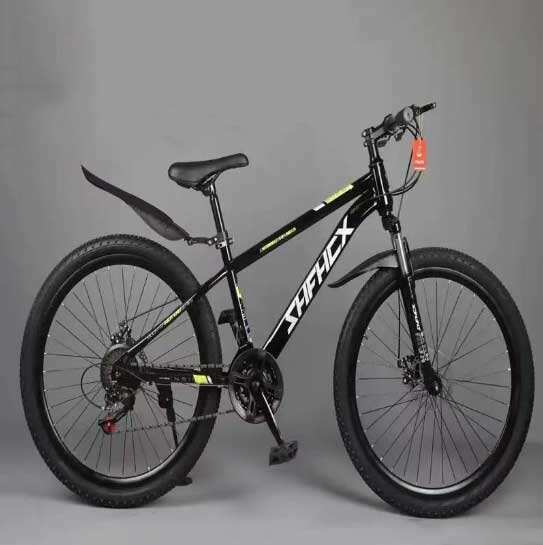
The mountain bike wholesale market has transformed how retailers, bike shops, and distributors acquire quality bicycles for their customers. When businesses need to stock multiple units or serve large customer bases, purchasing through mountain bike wholesale channels offers significant advantages over traditional retail procurement methods. Understanding these benefits helps business owners make informed decisions about their inventory strategies and operational efficiency.
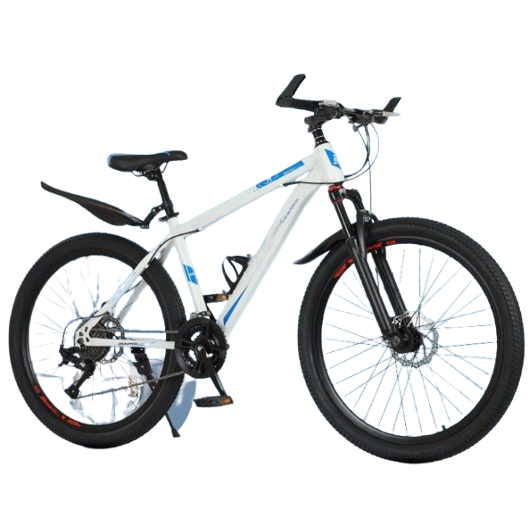
Bulk ordering through mountain bike wholesale suppliers creates substantial cost savings while providing access to diverse product lines that meet various customer preferences and budget requirements. These wholesale arrangements enable businesses to maintain competitive pricing structures while ensuring adequate profit margins for sustainable operations. The strategic approach to wholesale purchasing also streamlines supply chain management and reduces the complexity of dealing with multiple smaller suppliers.
Significant Cost Reduction Through Volume Purchasing
Lower Per-Unit Pricing Structure
Mountain bike wholesale pricing models reward volume purchases with progressive discounts that can reduce per-unit costs by thirty to fifty percent compared to retail prices. These savings become particularly pronounced when ordering fifty or more units, as suppliers offer tiered pricing structures that recognize the value of bulk commitments. The cost advantages extend beyond the initial purchase price to include reduced transaction fees and administrative overhead associated with processing fewer, larger orders.
Wholesale suppliers typically provide transparent pricing schedules that allow businesses to calculate exact savings based on order quantities. This predictable cost structure enables better financial planning and helps retailers establish competitive selling prices while maintaining healthy profit margins. The volume discounts achieved through mountain bike wholesale purchasing often compensate for increased storage requirements and upfront capital investment.
Reduced Shipping and Logistics Expenses
Bulk orders through mountain bike wholesale channels significantly decrease shipping costs per unit by maximizing container utilization and reducing the frequency of deliveries. When businesses consolidate their purchasing into larger shipments, they benefit from economies of scale in freight charges and often qualify for free or reduced-cost shipping thresholds. These logistics savings can represent substantial annual cost reductions for businesses that previously managed inventory through multiple smaller purchases.
The consolidated shipping approach also reduces the administrative burden of tracking multiple deliveries and managing relationships with various carriers. Wholesale suppliers often maintain established relationships with freight companies, providing access to better shipping rates and more reliable delivery schedules. This streamlined logistics approach contributes to overall operational efficiency while reducing the total cost of goods sold.
Enhanced Product Selection and Customization Options
Access to Diverse Model Ranges
Mountain bike wholesale suppliers maintain extensive inventories that include various frame sizes, gear configurations, and design specifications to meet diverse customer requirements. This comprehensive selection allows retailers to stock models that appeal to different riding styles, from entry-level recreational bikes to advanced off-road performance machines. The variety available through wholesale channels often exceeds what individual retailers could economically maintain through direct manufacturer relationships.
Wholesale suppliers continuously update their product offerings to reflect market trends and seasonal demands, ensuring that retailers have access to current models and popular configurations. This dynamic inventory management helps businesses stay competitive by offering customers the latest features and design improvements. The ability to select from multiple brands and specifications through a single wholesale source simplifies procurement while expanding the potential customer base.
Customization and Private Labeling Opportunities
Many mountain bike wholesale suppliers offer customization services that allow businesses to differentiate their products through unique color schemes, component upgrades, or private labeling arrangements. These customization options enable retailers to create exclusive product lines that build brand loyalty and justify premium pricing. The minimum order quantities required for customization become more achievable through wholesale purchasing commitments.
Private labeling opportunities through mountain bike wholesale channels allow businesses to develop their own brand identity while leveraging established manufacturing quality and supply chain efficiency. This approach provides greater control over product positioning and marketing messages while maintaining cost-effective sourcing. The customization process typically requires advance planning and communication with wholesale suppliers to ensure delivery timelines align with business requirements.
Improved Cash Flow and Inventory Management
Better Payment Terms and Financing Options
Mountain bike wholesale suppliers often extend favorable payment terms to established business customers, including net payment periods that improve cash flow management. These extended terms allow retailers to sell inventory and generate revenue before payment obligations become due, effectively providing short-term financing for working capital needs. The improved cash flow enables businesses to invest in marketing, store improvements, or additional inventory categories.
Many wholesale suppliers also offer seasonal payment programs that align with natural business cycles in the bicycle industry. These arrangements recognize that mountain bike sales often peak during spring and summer months, allowing businesses to defer payments until peak selling seasons generate the revenue needed to cover wholesale purchases. This financing flexibility reduces the need for external borrowing and associated interest expenses.
Streamlined Procurement Processes
Establishing relationships with mountain bike wholesale suppliers simplifies the procurement process by reducing the number of vendor relationships that require management and maintenance. This consolidation decreases administrative overhead while improving order accuracy and delivery predictability. Businesses can develop standardized ordering procedures and establish regular delivery schedules that support consistent inventory levels.
The simplified procurement process also enables better demand forecasting and inventory planning since businesses work with suppliers who understand their historical purchasing patterns and seasonal requirements. This collaboration often results in proactive inventory recommendations and advance notice of new product introductions or supply chain disruptions that could affect availability.
Superior Business Support and Industry Expertise
Technical Knowledge and Product Training
Mountain bike wholesale suppliers provide valuable technical expertise that helps retailers better serve their customers and reduce warranty claims through proper product knowledge. This support includes detailed specifications, assembly instructions, and maintenance recommendations that enable retail staff to provide informed customer guidance. The technical resources available through wholesale relationships often exceed what individual retailers could develop independently.
Many wholesale suppliers offer training programs that cover product features, proper fitting procedures, and basic maintenance techniques that retail staff can share with customers. This education component adds value to the customer experience while positioning the retailer as a knowledgeable resource for cycling needs. The ongoing technical support helps businesses build customer confidence and loyalty through superior service quality.
Marketing Support and Promotional Materials
Wholesale suppliers frequently provide marketing materials, product catalogs, and promotional support that help retailers effectively present and sell mountain bikes to their target customers. These resources include high-quality product photography, detailed specification sheets, and suggested retail pricing that supports consistent market positioning. The professional marketing materials help smaller retailers compete with larger competitors who have extensive marketing budgets.
Promotional support through mountain bike wholesale channels may include seasonal sales programs, demo bike availability, and co-op advertising opportunities that extend marketing reach while sharing costs. These collaborative marketing efforts benefit both suppliers and retailers by driving demand and supporting consistent brand messaging across multiple sales channels.
FAQ
What minimum order quantities are typically required for mountain bike wholesale purchases?
Most mountain bike wholesale suppliers require minimum orders ranging from twenty-five to fifty units, though some specialized suppliers may accept smaller quantities for businesses establishing new relationships. The exact minimum depends on the supplier's business model, product categories, and geographic location. Businesses should discuss their specific needs with potential suppliers to understand available options and volume requirements for optimal pricing.
How do wholesale suppliers handle warranty coverage and customer service issues?
Mountain bike wholesale suppliers typically provide manufacturer warranty coverage that passes through to end customers, along with clear procedures for handling warranty claims and defective products. Most established suppliers maintain customer service departments that assist retailers with technical questions, warranty processing, and product returns. The specific warranty terms and claim procedures should be clearly defined in wholesale agreements to ensure smooth resolution of any issues that arise.
Can small bike shops compete with larger retailers when purchasing through wholesale channels?
Small bike shops can successfully compete through mountain bike wholesale purchasing by focusing on specialized product knowledge, personalized customer service, and building strong community relationships. While larger retailers may achieve better volume pricing, smaller shops can differentiate through expert advice, custom fitting services, and local market expertise. Many wholesale suppliers actively support smaller retailers through flexible minimum orders and specialized product lines not available through mass market channels.
What factors should businesses consider when selecting a mountain bike wholesale supplier?
Key selection factors include product quality consistency, reliable delivery schedules, competitive pricing structures, and comprehensive customer support services. Businesses should evaluate the supplier's financial stability, industry reputation, and ability to provide ongoing technical assistance. Additionally, consider the supplier's product range diversity, customization capabilities, and willingness to develop long-term partnership relationships that support mutual growth and success.
Table of Contents
- Significant Cost Reduction Through Volume Purchasing
- Enhanced Product Selection and Customization Options
- Improved Cash Flow and Inventory Management
- Superior Business Support and Industry Expertise
-
FAQ
- What minimum order quantities are typically required for mountain bike wholesale purchases?
- How do wholesale suppliers handle warranty coverage and customer service issues?
- Can small bike shops compete with larger retailers when purchasing through wholesale channels?
- What factors should businesses consider when selecting a mountain bike wholesale supplier?