
 EN
EN



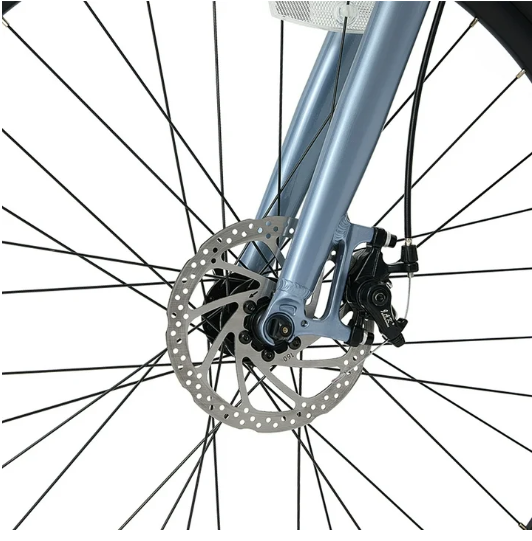
Understanding how mountain bike wholesale operations deliver exceptional quality while maintaining competitive pricing requires examining the strategic advantages that bulk purchasing and streamlined distribution networks provide. Wholesale suppliers leverage economies of scale, direct manufacturer relationships, and optimized logistics to offer premium bicycles at substantially lower prices than traditional retail channels, making quality mountain bikes accessible to broader markets.
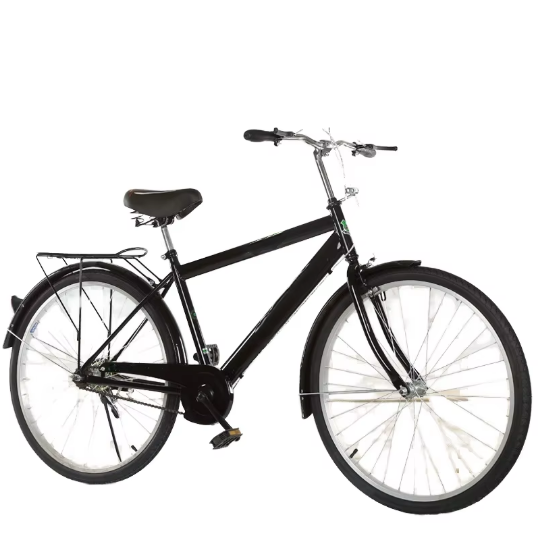
The mountain bike wholesale industry achieves this balance through sophisticated supply chain management that eliminates multiple markup layers typically found in conventional retail distribution. By working directly with manufacturers and purchasing in large volumes, wholesale distributors secure preferential pricing that translates into significant cost savings for retailers and end consumers, while maintaining strict quality control standards throughout the procurement process.
Volume Purchasing Advantages in Mountain Bike Wholesale
Economies of Scale Benefits
Mountain bike wholesale operations capitalize on volume purchasing to secure substantial price reductions from manufacturers. When wholesalers order thousands of units rather than dozens, manufacturers can offer dramatically lower per-unit costs due to optimized production runs and reduced administrative overhead per bicycle. This fundamental economic principle allows wholesale distributors to negotiate prices that would be impossible for smaller retailers to achieve independently.
The scale advantages extend beyond simple unit pricing to encompass shipping costs, quality assurance processes, and inventory management efficiencies. Large-volume mountain bike wholesale orders justify dedicated shipping containers and specialized handling equipment, reducing transportation costs per unit while ensuring better protection during transit. These logistical efficiencies contribute directly to the competitive pricing that wholesale channels can offer.
Manufacturing partners often provide additional value-added services to high-volume wholesale customers, including customized specifications, enhanced quality control protocols, and priority production scheduling. These benefits enable mountain bike wholesale distributors to offer superior products while maintaining cost advantages that smaller purchasing entities cannot replicate.
Direct Manufacturer Relationships
Established mountain bike wholesale companies cultivate long-term partnerships with manufacturers that go beyond simple buyer-seller transactions. These relationships often span years or decades, creating mutual trust and understanding that benefits both quality assurance and pricing negotiations. Manufacturers value consistent, predictable orders from wholesale partners and typically offer preferential treatment in terms of both pricing and product availability.
Direct manufacturer relationships eliminate intermediary markups that can significantly inflate bicycle costs in traditional distribution channels. When mountain bike wholesale companies work directly with factories, they bypass regional distributors, importers, and other middlemen who each add their own profit margins to the final price. This streamlined supply chain structure enables substantial cost savings without compromising product quality or service levels.
These partnerships also facilitate better communication regarding quality specifications, design modifications, and production scheduling. Mountain bike wholesale distributors can work directly with manufacturing engineers to ensure products meet specific quality standards while optimizing production processes to control costs effectively.
Quality Control Systems in Wholesale Operations
Manufacturing Standards and Certification
Professional mountain bike wholesale operations implement rigorous quality control protocols that often exceed those used by smaller retailers or direct-to-consumer brands. Large wholesale distributors possess the resources and expertise to conduct comprehensive factory audits, implement third-party quality certifications, and maintain continuous oversight of manufacturing processes throughout production cycles.
Quality certifications such as ISO 9001, CE marking, and industry-specific safety standards become economically viable for mountain bike wholesale operations due to their volume commitments. These certifications require significant investment in quality management systems, testing equipment, and documentation processes, but the costs can be distributed across thousands of units rather than small production runs.
Wholesale distributors often maintain dedicated quality assurance teams that work directly with manufacturing facilities to establish and monitor quality standards. These professionals conduct regular factory inspections, review production processes, and implement corrective actions when quality issues arise. The scale of wholesale operations justifies this level of quality investment while maintaining competitive pricing structures.
Inspection and Testing Protocols
Mountain bike wholesale companies typically implement multi-stage inspection protocols that begin with incoming material verification and continue through final product testing. These comprehensive quality control systems ensure that every bicycle meets established performance and safety standards before entering the distribution channel, providing confidence to retailers and end users alike.
Pre-production inspections focus on component quality, material specifications, and manufacturing setup verification to prevent quality issues before they occur. During production, wholesale quality teams conduct in-process inspections to monitor consistency and identify potential problems early in the manufacturing cycle. Final inspections include comprehensive functionality testing, safety verification, and aesthetic quality assessment.
Advanced mountain bike wholesale operations often maintain testing laboratories equipped with specialized equipment for stress testing, durability evaluation, and performance measurement. These facilities enable thorough product validation while supporting continuous improvement initiatives with manufacturing partners.
Supply Chain Optimization Strategies
Inventory Management Efficiency
Efficient inventory management represents a critical factor in how mountain bike wholesale operations maintain competitive pricing while ensuring product availability. Advanced inventory planning systems enable wholesalers to optimize stock levels, minimize carrying costs, and reduce the risk of obsolete inventory that would otherwise increase overall costs and pricing.
Sophisticated demand forecasting allows mountain bike wholesale distributors to align inventory investments with market demand patterns, seasonal fluctuations, and trend cycles. By accurately predicting demand, wholesalers can negotiate better terms with manufacturers, optimize warehouse utilization, and minimize the capital tied up in excess inventory that contributes to higher carrying costs.
Just-in-time delivery coordination with manufacturing partners enables mountain bike wholesale companies to maintain lower inventory levels while ensuring consistent product availability. This approach reduces warehousing costs, minimizes inventory obsolescence risks, and improves cash flow management, all of which contribute to more competitive pricing structures.
Distribution Network Advantages
Established mountain bike wholesale distributors leverage extensive distribution networks that provide significant cost advantages through optimized logistics, consolidated shipping, and strategic warehouse placement. These networks enable efficient product movement from manufacturers to retailers while minimizing transportation costs and delivery timeframes.
Regional distribution centers strategically located near major markets reduce shipping distances and associated costs for final delivery to retailers. Mountain bike wholesale operations can justify multiple distribution facilities due to their volume throughput, enabling faster delivery times and reduced shipping costs compared to centralized distribution models used by smaller operators.
Consolidated shipping programs allow mountain bike wholesale distributors to combine orders from multiple retailers into efficient truck loads, reducing per-unit shipping costs through better vehicle utilization. These logistics efficiencies directly translate into cost savings that can be passed along to customers while maintaining healthy margins for sustainable operations.
Market Positioning and Competitive Advantages
Price Point Optimization
Mountain bike wholesale companies excel at identifying optimal price points that balance quality expectations with market affordability requirements. Through extensive market research and customer feedback analysis, wholesale distributors can position products at price levels that maximize market penetration while maintaining quality standards that satisfy performance requirements.
Competitive pricing analysis enables mountain bike wholesale operations to establish pricing strategies that provide clear value propositions compared to alternative sources. By understanding competitor pricing, quality levels, and service offerings, wholesalers can optimize their own value propositions to attract customers while maintaining sustainable profit margins.
Dynamic pricing capabilities allow mountain bike wholesale distributors to respond quickly to market changes, seasonal demand patterns, and competitive pressures while maintaining their quality commitments. This flexibility enables better market responsiveness and customer satisfaction compared to more rigid pricing structures used by smaller operators.
Customer Service and Support Systems
Professional mountain bike wholesale operations invest heavily in customer service infrastructure that supports both pre-sale consultation and post-sale support requirements. These comprehensive service systems provide added value that justifies competitive pricing while building long-term customer relationships that support sustainable business growth.
Technical support capabilities enable mountain bike wholesale distributors to provide expert guidance on product selection, specification requirements, and application suitability. This expertise helps customers make informed purchasing decisions while reducing the risk of unsuitable product selections that could lead to returns, exchanges, or customer dissatisfaction.
Warranty administration and parts support services provide additional value that extends beyond initial product delivery. Mountain bike wholesale companies typically maintain extensive parts inventories and technical support capabilities that ensure long-term customer satisfaction and product performance throughout the bicycle lifecycle.
FAQ
How do mountain bike wholesale prices compare to retail pricing?
Mountain bike wholesale prices typically range from 40-60% lower than traditional retail pricing due to eliminated markup layers, volume purchasing advantages, and streamlined distribution channels. Wholesale customers benefit from manufacturer direct pricing while receiving the same quality standards and warranty coverage as retail purchasers.
What quality assurance measures do wholesale mountain bike distributors implement?
Professional mountain bike wholesale operations implement comprehensive quality control protocols including factory audits, third-party certifications, multi-stage inspection processes, and dedicated quality assurance teams. These measures often exceed quality standards used by smaller retailers due to the scale advantages and resources available to established wholesale distributors.
Can small retailers access mountain bike wholesale pricing and quality benefits?
Many mountain bike wholesale distributors offer tiered pricing structures that accommodate smaller retailers, though minimum order quantities may apply. Small retailers can access wholesale benefits through buying groups, seasonal ordering programs, or partnership arrangements that aggregate demand to achieve volume pricing thresholds.
What factors should buyers consider when evaluating mountain bike wholesale suppliers?
Key evaluation factors include supplier track record, quality certification standards, inventory availability, shipping capabilities, technical support services, warranty administration, and long-term relationship commitment. Buyers should also assess the supplier's financial stability, manufacturing partnerships, and ability to provide consistent quality and service levels over time.
Table of Contents
- Volume Purchasing Advantages in Mountain Bike Wholesale
- Quality Control Systems in Wholesale Operations
- Supply Chain Optimization Strategies
- Market Positioning and Competitive Advantages
-
FAQ
- How do mountain bike wholesale prices compare to retail pricing?
- What quality assurance measures do wholesale mountain bike distributors implement?
- Can small retailers access mountain bike wholesale pricing and quality benefits?
- What factors should buyers consider when evaluating mountain bike wholesale suppliers?