
 EN
EN



When parents search for the safest bicycles for their children, the source of manufacturing becomes a critical consideration that directly impacts quality, safety standards, and long-term durability. A specialized kids bike factory offers unmatched advantages over general bicycle retailers or mass-market distributors, particularly in understanding the unique safety requirements and developmental needs of young riders. Unlike adult bicycle manufacturing, creating safe children's bicycles demands specialized expertise in child ergonomics, age-appropriate design principles, and rigorous safety testing protocols that only dedicated facilities can provide.
The manufacturing environment of a kids bike factory fundamentally differs from conventional bicycle production facilities because it prioritizes child-specific safety engineering over general market efficiency. This specialization translates into superior material selection, enhanced quality control processes, and comprehensive safety validation that ensures every bicycle meets the highest standards for young riders. Parents investing in bicycles from specialized manufacturing sources gain access to products designed with their children's safety as the primary engineering objective, rather than as an afterthought in broader manufacturing processes.
Specialized Safety Engineering and Design Focus
Child-Centric Safety Standards Implementation
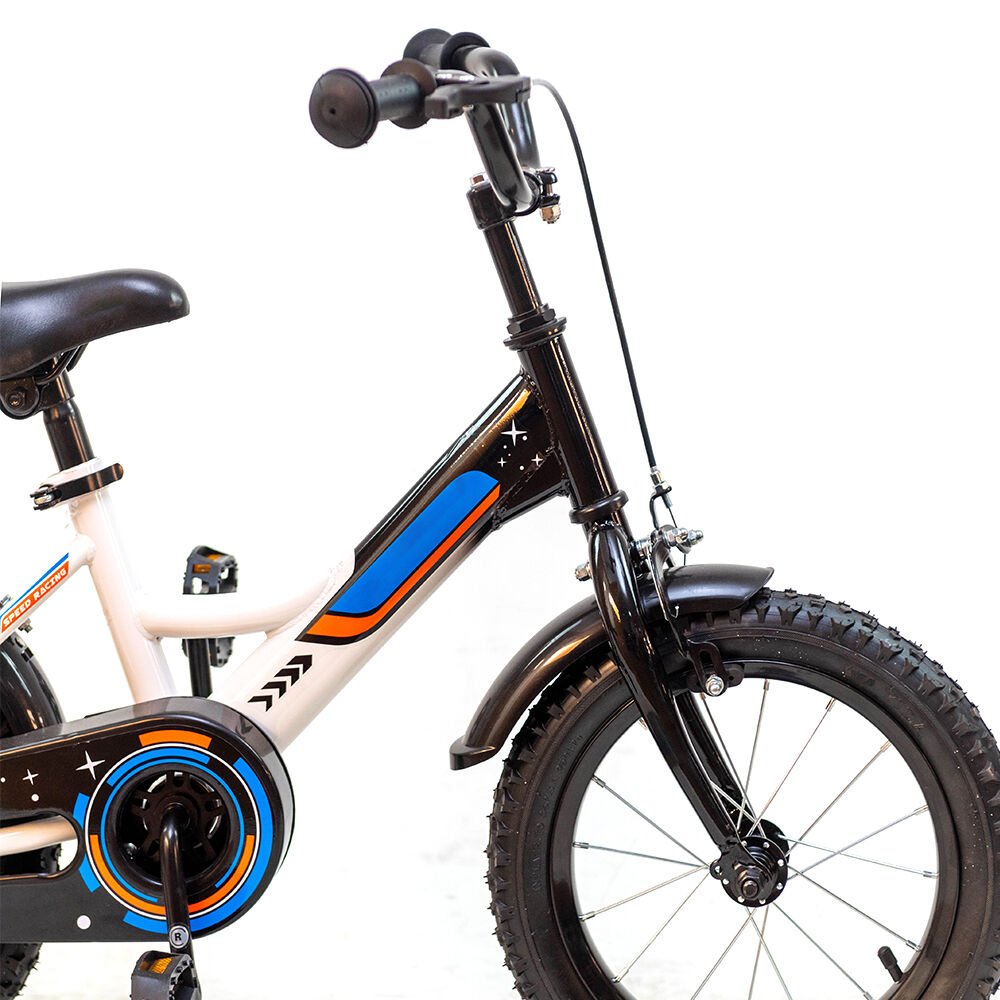
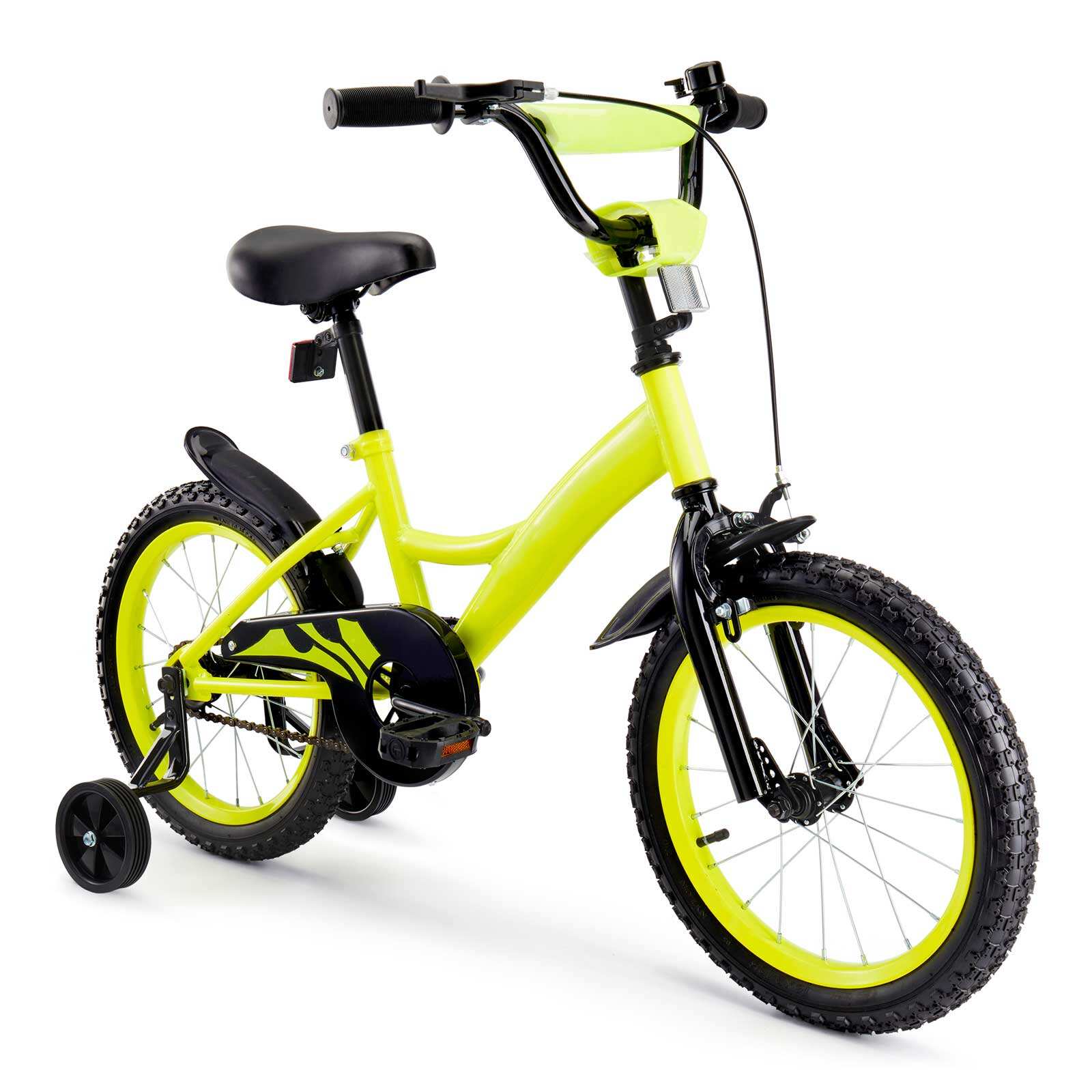
A dedicated kids bike factory operates under fundamentally different safety protocols compared to general bicycle manufacturing facilities, implementing specialized engineering standards that address the unique vulnerabilities and developmental characteristics of young riders. These manufacturing environments prioritize child-specific safety features such as enclosed chain guards, non-slip pedal surfaces, rounded frame edges, and impact-resistant handlebar grips that prevent common childhood bicycle injuries. The engineering teams within these facilities possess specialized knowledge of child biomechanics, enabling them to design bicycles that accommodate shorter limbs, different center-of-gravity considerations, and age-appropriate reach dimensions.
Safety validation processes in a specialized kids bike factory extend beyond standard bicycle testing protocols to include child-specific impact scenarios, durability testing under typical childhood usage patterns, and comprehensive component failure analysis. These facilities conduct extensive testing for scenarios such as sudden stops, sideways falls, and component stress under repetitive childhood handling behaviors that adult bicycles rarely encounter. The result is a manufacturing process that anticipates and prevents safety issues specific to young riders, creating bicycles that maintain structural integrity and safety performance throughout extended childhood use.
Advanced Material Selection for Child Safety
Material selection within a kids bike factory reflects a deep understanding of how different materials perform under childhood usage patterns and safety requirements. These specialized facilities prioritize materials that offer superior impact absorption, corrosion resistance, and long-term structural stability while maintaining appropriate weight characteristics for young riders. Steel frame construction, commonly used in quality children's bicycles, undergoes specialized treatment processes that enhance durability while ensuring the frame remains appropriately sized and weighted for child handling.
The component selection process in a kids bike factory emphasizes safety-enhanced materials for critical contact points such as brake systems, pedals, and steering mechanisms. These facilities source specialized brake components designed for smaller hands and reduced grip strength, ensuring reliable stopping power without requiring excessive force that could compromise child safety. Pedal materials and surface treatments receive particular attention to prevent slippage during wet conditions or when children wear different types of footwear, addressing safety concerns specific to childhood bicycle usage patterns.
Quality Control and Manufacturing Excellence
Rigorous Testing Protocols for Child Safety
Quality control processes within a specialized kids bike factory encompass comprehensive testing regimens that simulate real-world childhood bicycle usage scenarios, ensuring each bicycle maintains safety performance throughout its expected service life. These testing protocols include accelerated wear testing that simulates years of typical childhood use, including frequent drops, exposure to outdoor elements, and the repetitive stress patterns associated with learning to ride. Manufacturing facilities dedicated to children's bicycles implement multi-stage quality checkpoints that verify component alignment, brake performance, and structural integrity before any bicycle leaves the production floor.
Safety validation in a kids bike factory extends to comprehensive batch testing procedures that ensure consistent quality across entire production runs, preventing variations that could compromise individual bicycle safety. These facilities maintain detailed quality control documentation that tracks component sourcing, assembly procedures, and final inspection results for each bicycle, creating accountability systems that support long-term safety performance. The testing infrastructure within specialized manufacturing facilities often includes child-simulation equipment that replicates the forces and usage patterns typical of young riders, providing more accurate safety validation than generic bicycle testing methods.
Precision Assembly and Component Integration
Assembly processes within a kids bike factory prioritize precision integration of safety-critical components, ensuring that every connection point, adjustment mechanism, and moving part functions reliably under childhood usage conditions. Specialized assembly technicians undergo training specific to children's bicycle construction, understanding how proper component alignment affects both safety performance and ease of use for young riders. These manufacturing environments maintain stricter tolerances for component fit and finish, recognizing that minor assembly variations can significantly impact bicycle safety and performance for children.
The integration of safety systems within specialized manufacturing facilities reflects an understanding of how children interact with bicycle components differently than adults. Assembly procedures account for the tendency of young riders to apply uneven forces to steering mechanisms, brake levers, and adjustment systems, ensuring that all components maintain proper function despite non-ideal usage patterns. This specialized assembly approach results in bicycles that remain safe and functional throughout the learning process and extended childhood use, providing parents with confidence in long-term safety performance.
Regulatory Compliance and Safety Certification
International Safety Standard Adherence
A dedicated kids bike factory operates within comprehensive regulatory frameworks that govern children's bicycle safety, maintaining compliance with international standards such as CPSC regulations, European EN standards, and ISO safety requirements specifically developed for youth bicycles. These manufacturing facilities invest in specialized testing equipment and certification processes that verify compliance with multiple international safety standards, ensuring that bicycles meet or exceed safety requirements in various global markets. The regulatory compliance infrastructure within these facilities includes ongoing monitoring of evolving safety standards and proactive implementation of enhanced safety requirements.
Certification processes within specialized manufacturing environments extend beyond minimum regulatory requirements to include voluntary safety enhancements that address emerging safety concerns and best practices in children's bicycle design. These facilities often participate in industry safety initiatives and collaborate with child safety organizations to identify and address potential safety improvements before they become regulatory requirements. The result is a manufacturing approach that anticipates safety needs rather than merely responding to regulatory mandates, providing parents with bicycles that incorporate the latest safety innovations and protective features.
Continuous Safety Monitoring and Improvement
Manufacturing facilities specializing in children's bicycles implement continuous monitoring systems that track safety performance data from real-world usage, enabling ongoing refinement of design and manufacturing processes. These kids bike factory operations maintain feedback systems that collect information about bicycle performance under actual childhood usage conditions, identifying opportunities for safety improvements and design optimization. The data collection and analysis capabilities within specialized facilities support evidence-based safety enhancements that improve bicycle performance for specific age groups and usage scenarios.
Safety improvement processes in dedicated manufacturing facilities include regular review of component performance, assembly procedures, and quality control effectiveness, ensuring that safety standards continuously evolve to address identified concerns and emerging best practices. These facilities maintain research and development capabilities focused on safety innovation, developing new safety features and manufacturing techniques that enhance bicycle safety for young riders. The commitment to continuous safety improvement distinguishes specialized manufacturing from general bicycle production, providing parents with access to bicycles that incorporate the latest safety knowledge and protective technologies.
Cost-Effectiveness and Value Optimization
Manufacturing Efficiency for Safety-Focused Production
The operational efficiency of a specialized kids bike factory creates cost advantages that enable the production of high-quality, safety-focused bicycles at competitive price points, making safe bicycles more accessible to families while maintaining superior safety standards. These manufacturing facilities optimize their production processes specifically for children's bicycle construction, reducing waste and inefficiency while maintaining the specialized attention required for safety-critical components. The focused manufacturing approach eliminates the overhead costs associated with multi-product facilities, allowing resources to be concentrated on perfecting children's bicycle production processes.
Volume production capabilities within specialized facilities enable economies of scale that support the use of higher-quality safety components without proportional cost increases, providing families with access to superior safety features at reasonable price points. The manufacturing efficiency gained through specialization allows these facilities to invest in advanced safety testing equipment and quality control systems while maintaining competitive pricing structures. This cost-effectiveness ensures that safety-focused manufacturing remains economically viable, supporting widespread access to high-quality children's bicycles.
Long-Term Value Through Enhanced Durability
The durability advantages inherent in bicycles produced by a kids bike factory translate into superior long-term value for families, as these bicycles maintain safety performance and functionality throughout extended childhood use and potential transfer between siblings. Manufacturing processes optimized for children's usage patterns create bicycles that resist common forms of childhood-related wear and damage, reducing the need for frequent repairs or premature replacement. The enhanced durability results from specialized material selection and construction techniques that anticipate the unique stress patterns associated with childhood bicycle use.
Value optimization within specialized manufacturing extends to designing bicycles that accommodate growth and changing abilities, enabling families to maximize their investment through extended usability periods. These facilities understand the importance of creating bicycles that remain appropriate and safe as children develop improved riding skills and physical capabilities, incorporating adjustability features and robust construction that support long-term use. The result is a manufacturing approach that prioritizes total cost of ownership rather than initial purchase price, providing families with bicycles that deliver superior value through enhanced safety, durability, and usability.
FAQ
What specific safety features do kids bike factory bicycles include that other sources don't offer?
Kids bike factory bicycles typically include specialized safety features such as fully enclosed chain guards to prevent clothing entanglement, non-slip pedal surfaces designed for various shoe types, rounded frame edges to minimize injury risk during falls, impact-resistant handlebar grips, and brake systems specifically calibrated for children's hand strength and coordination. These facilities also implement enhanced reflective elements, improved spoke guards, and specialized seat designs that promote proper riding posture and stability for developing riders.
How does quality control in a kids bike factory differ from general bicycle manufacturing?
Quality control in a kids bike factory includes child-specific testing protocols that simulate real-world childhood usage patterns, accelerated wear testing that accounts for frequent drops and outdoor exposure, and comprehensive safety validation using equipment designed to replicate forces applied by young riders. These facilities maintain stricter assembly tolerances, implement multi-stage inspection processes focused on safety-critical components, and conduct batch testing to ensure consistent quality across production runs, providing superior safety assurance compared to general manufacturing approaches.
Are bicycles from kids bike factories more expensive than other sources?
While initial purchase prices may vary depending on specific features and quality levels, bicycles from specialized kids bike factories often provide superior long-term value through enhanced durability, extended usability periods, and reduced maintenance requirements. The manufacturing efficiency gained through specialization enables these facilities to incorporate high-quality safety components at competitive price points, and the enhanced durability typically results in lower total cost of ownership compared to bicycles requiring frequent repairs or early replacement.
What age ranges and sizes do kids bike factory facilities typically serve?
Kids bike factories typically serve age ranges from toddlers learning to walk and balance (ages 2-3) through early teenagers (ages 12-14), offering bicycle sizes from 12-inch wheels for the youngest riders through 24-inch wheels for pre-teens. These facilities specialize in understanding the developmental needs and physical capabilities of different age groups, ensuring that bicycles provide appropriate sizing, safety features, and complexity levels that match children's evolving abilities and coordination skills throughout their growth and development.
Table of Contents
- Specialized Safety Engineering and Design Focus
- Quality Control and Manufacturing Excellence
- Regulatory Compliance and Safety Certification
- Cost-Effectiveness and Value Optimization
-
FAQ
- What specific safety features do kids bike factory bicycles include that other sources don't offer?
- How does quality control in a kids bike factory differ from general bicycle manufacturing?
- Are bicycles from kids bike factories more expensive than other sources?
- What age ranges and sizes do kids bike factory facilities typically serve?