
 EN
EN



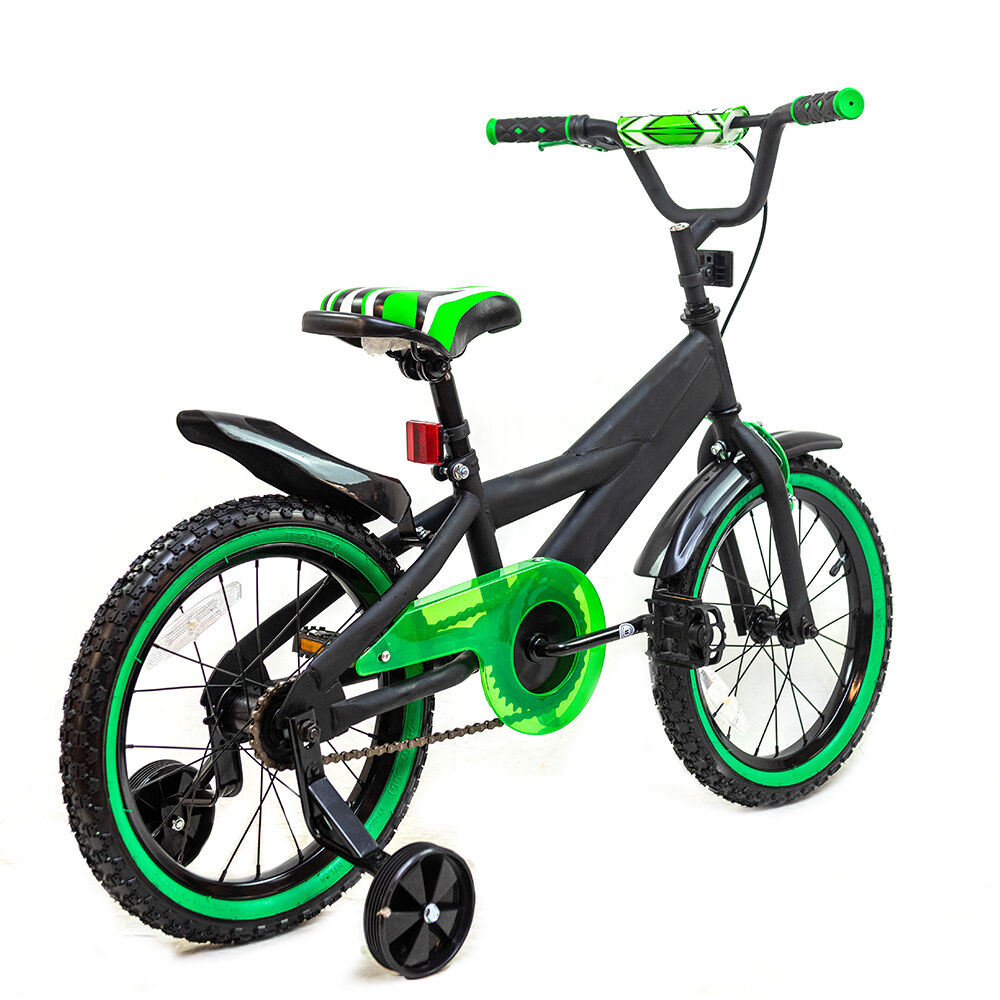
A kids bike factory operates under stringent quality control measures that far exceed those of general bicycle manufacturing facilities. These specialized manufacturing environments understand that children's bicycles must withstand not only regular use but also the unpredictable and often demanding ways kids interact with their bikes. From rigorous material selection to comprehensive safety testing, every aspect of production is designed to deliver products that parents can trust and children can enjoy safely for years.
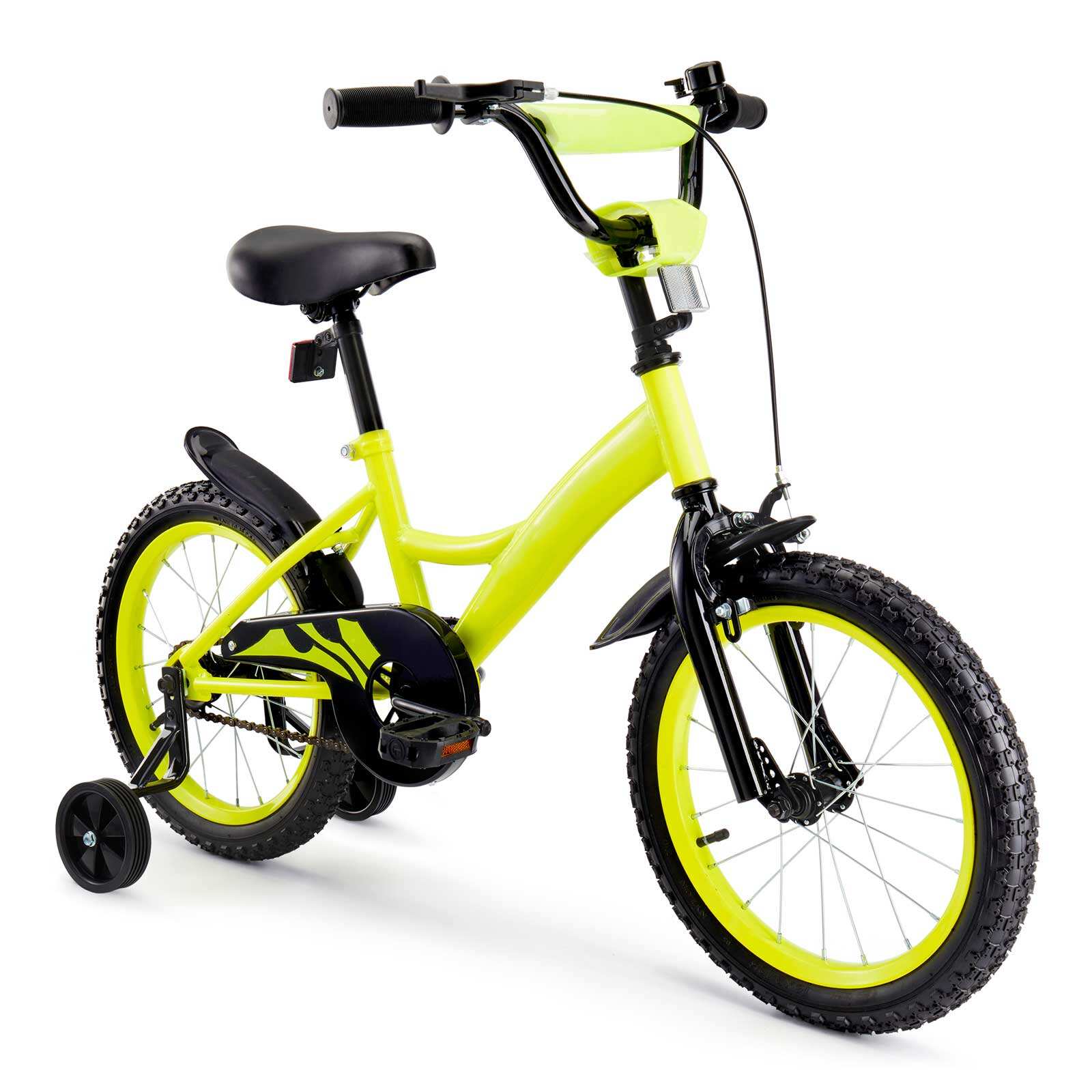
The manufacturing process in a modern kids bike factory integrates advanced engineering principles with child-specific design considerations. Quality assurance begins at the conceptual stage and continues through every step of production, including final assembly and post-production testing. This comprehensive approach ensures that each bicycle meets international safety standards while providing the durability needed to handle the enthusiastic and sometimes rough treatment that characterizes childhood play.
Material Selection and Engineering Standards
High-Grade Steel Frame Construction
The foundation of durability in any kids bike factory begins with careful material selection. Premium facilities utilize high-carbon steel alloys specifically chosen for their ability to withstand impact while maintaining structural integrity. These materials undergo extensive testing to ensure they meet or exceed safety standards established by organizations like ASTM International and the Consumer Product Safety Commission.
Steel frame construction in a professional kids bike factory involves precise welding techniques that create seamless joints capable of handling significant stress. The welding process uses automated systems to ensure consistent quality across all production units. Each weld point is inspected using both visual and non-destructive testing methods to verify structural soundness.
Advanced metallurgical analysis helps manufacturers understand how different steel compositions perform under various stress conditions. A quality-focused kids bike factory conducts regular material testing to verify that incoming steel meets their specifications for tensile strength, flexibility, and corrosion resistance.
Component Integration and Compatibility
Beyond the frame, every component integrated into the manufacturing process must meet strict durability criteria. Bearings, chains, pedals, and brake systems all undergo individual quality assessments before assembly. This component-level approach ensures that no single part becomes a weak point in the overall product.
The integration process in a modern kids bike factory involves computer-aided design systems that simulate stress distribution across the entire bicycle structure. These simulations help engineers identify potential failure points before physical production begins, allowing for design modifications that enhance overall durability.
Quality control specialists monitor the compatibility between different components to prevent premature wear caused by mismatched parts. This systematic approach to component integration significantly extends the operational life of the finished bicycle.
Manufacturing Process Controls
Automated Production Systems
State-of-the-art kids bike factory facilities employ automated production systems that eliminate human error while ensuring consistent quality across all units. These systems utilize precision robotics for critical operations such as frame welding, wheel assembly, and component installation. Automation provides the consistency necessary for maintaining strict quality standards throughout large production runs.
The automated systems integrate real-time monitoring capabilities that track every aspect of the manufacturing process. Temperature control during welding, torque specifications for bolt installation, and alignment measurements are continuously recorded and analyzed to identify any deviations from established parameters.
Advanced kids bike factory operations use programmable logic controllers that can instantly adjust production parameters based on real-time feedback. This adaptive approach ensures that each bicycle meets exact specifications regardless of external factors such as temperature variations or material batch differences.
Quality Checkpoints Throughout Production
Multiple quality checkpoints are strategically placed throughout the production line in a professional kids bike factory. These checkpoints involve both automated inspection systems and human quality control specialists who verify that each bicycle component meets predetermined standards before advancing to the next stage of assembly.
Frame geometry verification represents one of the most critical checkpoints in the manufacturing process. Precision measuring equipment ensures that frame angles, tube lengths, and alignment specifications match the design requirements exactly. Any deviation beyond acceptable tolerances results in immediate removal from the production line for correction or rejection.
Component installation checkpoints verify proper torque application, alignment accuracy, and functional operation. These inspections prevent assembly errors that could compromise safety or durability in the finished product. Documentation at each checkpoint creates a complete quality record for every bicycle produced.
Safety Testing and Validation Protocols
Structural Stress Testing
Comprehensive stress testing forms the cornerstone of quality assurance in any reputable kids bike factory. These tests simulate years of typical use patterns through accelerated testing protocols that subject bicycles to repeated stress cycles far exceeding normal operational demands. Frame stress testing involves applying controlled loads to critical stress points while monitoring for signs of fatigue or structural weakness.
Impact testing protocols replicate the types of accidents and rough handling that children's bicycles commonly experience. Drop tests, collision simulations, and repeated impact scenarios help validate that the bicycle structure can withstand unexpected events without catastrophic failure. These tests often exceed industry standards to provide additional safety margins.
Advanced kids bike factory facilities utilize computer-controlled testing equipment that can precisely replicate specific stress conditions and measure structural response with high accuracy. This data helps engineers refine designs and manufacturing processes to enhance durability continuously.
Brake System Performance Verification
Brake system testing represents one of the most critical safety validation processes in kids bike factory operations. Every bicycle undergoes comprehensive brake performance testing that evaluates stopping distance, brake force modulation, and system reliability under various conditions. These tests simulate wet weather, dusty environments, and extended use scenarios.
Brake component durability testing involves thousands of activation cycles to verify that brake pads, cables, and adjustment mechanisms maintain proper function throughout the expected service life. Temperature testing ensures that brake performance remains consistent across the range of environmental conditions the bicycle may encounter.
Quality assurance protocols require that brake systems exceed minimum performance standards by significant margins. This approach provides safety buffers that account for component wear and varying user capabilities, ensuring reliable stopping power throughout the bicycle's operational life.
Environmental and Durability Testing
Weather Resistance Validation
Environmental testing in a professional kids bike factory encompasses exposure to various weather conditions that bicycles encounter during typical outdoor use. Salt spray testing simulates coastal environments and road salt exposure, while UV radiation testing verifies that paint finishes and plastic components resist fading and degradation from prolonged sun exposure.
Temperature cycling tests subject completed bicycles to extreme heat and cold conditions to verify that all components maintain proper function across seasonal temperature variations. These tests identify potential issues with component expansion, contraction, and material compatibility that could affect long-term durability.
Humidity and moisture testing evaluates the bicycle's resistance to rust and corrosion in high-moisture environments. Special attention focuses on bearing assemblies, brake components, and other critical systems that must function reliably despite exposure to rain and humidity.
Long-Term Durability Assessment
Accelerated aging protocols in a modern kids bike factory compress years of typical use into weeks of intensive testing. These protocols involve continuous operation under controlled stress conditions that simulate the cumulative effects of regular use, environmental exposure, and normal wear patterns.
Component wear analysis tracks the degradation of critical parts over extended test periods. This data helps engineers understand which components may require design improvements or material upgrades to meet durability expectations. Regular analysis of field return data supplements laboratory testing with real-world performance information.
Predictive maintenance protocols use testing data to establish recommended service intervals and component replacement schedules. This information helps end users maintain optimal performance and safety throughout the bicycle's service life.
Quality Management Systems and Continuous Improvement
ISO Certification and Standards Compliance
Leading kids bike factory operations maintain ISO 9001 quality management certification, which requires systematic documentation of all quality processes and continuous improvement initiatives. This certification ensures that quality control measures are consistently applied and regularly audited by independent third parties.
Compliance with international safety standards such as EN 14765 for children's bicycles requires comprehensive testing and documentation of safety features. These standards address critical safety aspects including maximum speed capabilities, brake performance, and structural integrity requirements specific to children's bicycles.
Regular compliance audits verify that all manufacturing processes continue to meet or exceed established standards. These audits involve both internal quality assessments and external certification body reviews that validate the effectiveness of quality management systems.
Supplier Quality Control Programs
Comprehensive supplier quality programs ensure that all components received by the kids bike factory meet established quality standards before entering the production process. These programs include supplier audits, incoming material inspection, and performance monitoring systems that track component quality over time.
Supplier development initiatives help component manufacturers improve their quality capabilities through technical assistance and quality system implementation. This collaborative approach creates a supply chain where every participant contributes to the overall quality of the finished product.
Supplier performance metrics track delivery quality, on-time performance, and continuous improvement progress. Regular supplier reviews ensure that quality standards are maintained and that any emerging issues are addressed promptly before they affect production quality.
FAQ
How often does a kids bike factory test their bicycles during production?
A professional kids bike factory conducts quality tests at multiple stages throughout production, typically including material inspection upon receipt, in-process checks during assembly, pre-assembly component verification, and final product testing before packaging. Most facilities test every bicycle that comes off the production line, with additional random sampling for extended durability testing. Critical safety components like brakes and steering systems receive 100% testing to ensure proper function.
What makes children's bicycle manufacturing different from adult bike production?
Kids bike factory operations require additional safety considerations because children often use bicycles in unpredictable ways and may not recognize potential hazards. Manufacturing processes include enhanced impact testing, stricter component attachment standards, and additional safety features like chain guards and spoke protectors. Quality control protocols also account for the fact that children's bicycles must be easier to maintain and more forgiving of neglect than adult bicycles.
How long should a quality kids bicycle last with normal use?
A well-manufactured bicycle from a reputable kids bike factory should provide reliable service for 3-5 years of regular use, depending on the child's riding intensity and maintenance care. The structural frame and major components are typically designed to outlast the child's size requirements for the bicycle. With proper maintenance, many quality children's bicycles continue functioning safely as they are passed down to younger siblings or other children.
What safety certifications should parents look for when buying a children's bicycle?
Parents should look for bicycles that meet CPSC (Consumer Product Safety Commission) standards in the United States, EN 14765 standards in Europe, or equivalent safety certifications in their region. These certifications indicate that the kids bike factory has tested the bicycle according to established safety protocols and that it meets minimum performance requirements for braking, structural integrity, and other critical safety aspects. Additional certifications from organizations like ASTM International provide further assurance of quality and safety.
Table of Contents
- Material Selection and Engineering Standards
- Manufacturing Process Controls
- Safety Testing and Validation Protocols
- Environmental and Durability Testing
- Quality Management Systems and Continuous Improvement
-
FAQ
- How often does a kids bike factory test their bicycles during production?
- What makes children's bicycle manufacturing different from adult bike production?
- How long should a quality kids bicycle last with normal use?
- What safety certifications should parents look for when buying a children's bicycle?