
 EN
EN



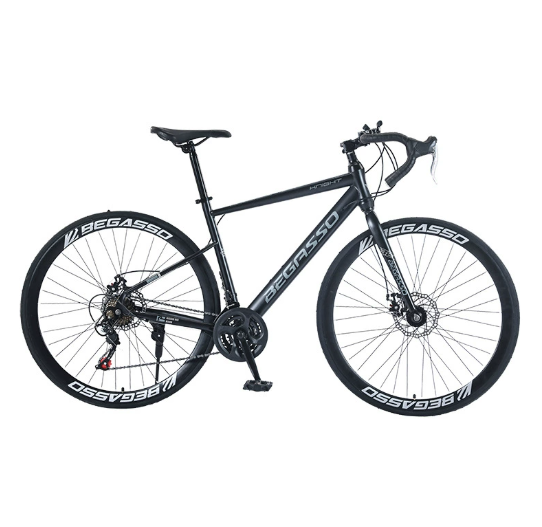
The global cycling industry has experienced unprecedented growth in recent years, driven by increasing environmental awareness, health consciousness, and urban mobility needs. At the heart of this expanding market lies a crucial network of bicycle wholesale supplier partners who connect manufacturers with retailers worldwide. These specialized intermediaries play a pivotal role in ensuring that quality bicycles reach consumers efficiently and cost-effectively across diverse markets.
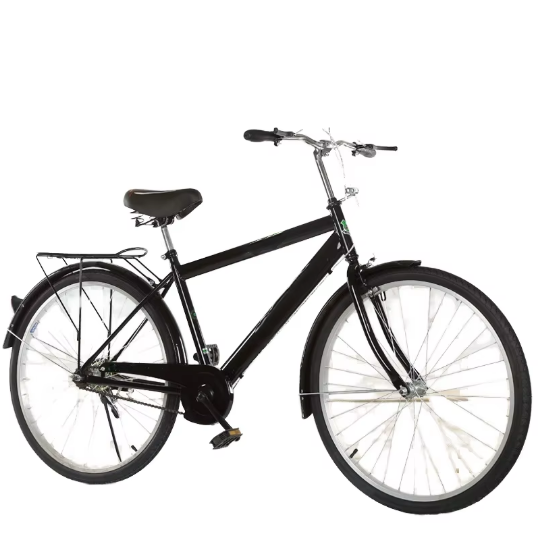
Modern bicycle wholesale supplier operations extend far beyond simple inventory management. They serve as strategic partners for retailers, offering comprehensive solutions that include product sourcing, quality assurance, logistics coordination, and market intelligence. The complexity of today's global supply chains requires sophisticated wholesale networks capable of handling diverse product categories, from entry-level commuter bikes to high-performance mountain and road cycling equipment.
The Strategic Role of Wholesale Suppliers in the Bicycle Industry
Market Intermediation and Value Creation
A professional bicycle wholesale supplier creates substantial value by bridging the gap between large-scale manufacturers and smaller retail operations. This intermediation function becomes particularly critical when considering the diverse needs of regional markets and the varying purchasing power of different retail segments. Wholesale suppliers aggregate demand from multiple retailers, enabling manufacturers to achieve economies of scale while providing retailers access to product varieties they could not otherwise afford to stock.
The value creation process extends to risk management and inventory optimization. By maintaining strategic inventory levels across multiple locations, wholesale suppliers help retailers minimize carrying costs while ensuring product availability during peak demand periods. This buffer function proves essential in an industry characterized by seasonal fluctuations and unpredictable demand spikes driven by external factors such as fuel prices or urban planning initiatives.
Quality Assurance and Product Standards
Reputable bicycle wholesale supplier networks implement rigorous quality control measures that extend beyond manufacturer specifications. These systems typically include incoming inspection protocols, sample testing procedures, and compliance verification for safety standards across different jurisdictions. The wholesale layer adds an additional quality gate that helps protect retailers and end consumers from potential product defects or regulatory compliance issues.
Professional wholesale suppliers also maintain detailed product documentation and certification records, enabling retailers to confidently market products while meeting local regulatory requirements. This documentation support becomes particularly valuable when dealing with imported products that must comply with diverse safety standards across different countries and regions.
Supply Chain Optimization and Logistics Management
Global Sourcing and Procurement Strategies
The modern bicycle wholesale supplier operates within a complex global sourcing environment that requires sophisticated procurement strategies. These operations typically maintain relationships with multiple manufacturers across different geographic regions, enabling them to offer diverse product portfolios while managing supply risk through supplier diversification. Strategic sourcing decisions consider factors including manufacturing quality, production capacity, delivery reliability, and total cost of ownership.
Advanced wholesale operations leverage technology platforms to optimize procurement decisions through real-time market intelligence and demand forecasting analytics. These systems enable suppliers to anticipate market trends, adjust inventory compositions proactively, and negotiate favorable terms with manufacturers based on consolidated volume commitments across their retail network.
Distribution Network Efficiency
Efficient distribution represents a core competitive advantage for any successful bicycle wholesale supplier operation. Modern distribution networks utilize strategically located warehouses, sophisticated inventory management systems, and optimized transportation routes to minimize delivery times while controlling logistics costs. The physical characteristics of bicycles, including their size and assembly requirements, create unique logistics challenges that specialized wholesale suppliers are equipped to handle effectively.
Many wholesale suppliers offer value-added services including partial assembly, custom packaging, and drop-shipping capabilities that enable retailers to operate with minimal inventory investment while maintaining competitive delivery timeframes. These services prove particularly valuable for online retailers and smaller brick-and-mortar operations with limited storage capacity.
Technology Integration and Digital Transformation
E-commerce Platform Integration
Contemporary bicycle wholesale supplier operations increasingly integrate with digital commerce platforms to streamline ordering processes and improve customer experience. Advanced B2B portals provide retailers with real-time inventory visibility, automated reordering capabilities, and integrated pricing tools that enable dynamic margin optimization. These platforms often include mobile applications that allow sales representatives to process orders and check inventory while visiting retail locations.
Digital integration extends to marketing support, with many wholesale suppliers providing retailers access to product imagery, technical specifications, and marketing collateral through centralized digital asset libraries. This support enables retailers to maintain professional online presence without investing heavily in content creation and product photography.
Data Analytics and Business Intelligence
Leading bicycle wholesale supplier organizations leverage advanced analytics to optimize operations and provide strategic insights to retail partners. These systems analyze sales patterns, inventory turnover rates, and market trends to identify opportunities for portfolio optimization and promotional strategies. Predictive analytics capabilities enable suppliers to anticipate demand fluctuations and adjust inventory levels accordingly.
Business intelligence platforms also generate valuable market insights that help retailers make informed decisions about product mix, pricing strategies, and promotional timing. By aggregating data across their entire retail network, wholesale suppliers can identify emerging trends and market opportunities that individual retailers might not detect independently.
Financial Services and Business Support
Credit and Payment Solutions
Many bicycle wholesale supplier operations extend beyond product distribution to offer comprehensive financial support services for retail partners. These services often include extended payment terms, seasonal inventory financing, and credit facilities that enable retailers to maintain adequate stock levels without straining cash flow. Such financial partnerships prove particularly valuable for smaller retailers with limited access to traditional commercial lending.
Advanced financial service offerings may include consignment programs, vendor-managed inventory arrangements, and performance-based pricing models that align wholesale supplier interests with retail success. These innovative approaches help reduce retailer risk while ensuring adequate inventory investment to support sales growth.
Business Development and Training Programs
Professional bicycle wholesale supplier organizations often provide comprehensive business development support including sales training, technical education, and marketing assistance. These programs help retail partners develop expertise in product features, maintenance procedures, and customer consultation techniques that enhance the overall customer experience and drive sales growth.
Training programs typically cover diverse topics including bicycle fitting, maintenance procedures, accessory recommendations, and sales techniques specific to different customer segments. By investing in retailer education, wholesale suppliers create stronger partnerships and improve overall market performance across their distribution network.
Sustainability and Environmental Considerations
Green Supply Chain Practices
Modern bicycle wholesale supplier operations increasingly prioritize environmental sustainability through optimized logistics networks, packaging reduction initiatives, and carbon footprint management programs. These efforts align with the environmental values inherent in cycling while addressing growing consumer and regulatory pressure for sustainable business practices.
Sustainability initiatives often include partnerships with manufacturers committed to responsible production practices, implementation of returnable packaging systems, and optimization of transportation routes to minimize environmental impact. Some advanced wholesale operations participate in carbon offset programs and renewable energy initiatives that further demonstrate environmental commitment.
Circular Economy Integration
Forward-thinking bicycle wholesale supplier networks explore opportunities within the circular economy including refurbishment programs, component recycling initiatives, and take-back programs for end-of-life products. These programs create additional value streams while supporting environmental objectives and meeting evolving consumer expectations regarding product lifecycle responsibility.
Circular economy initiatives also create opportunities for product differentiation through certified refurbished products, eco-friendly packaging materials, and partnerships with recycling organizations. These programs demonstrate commitment to sustainability while potentially reducing costs through material recovery and waste reduction.
Market Trends and Future Outlook
Electric Bicycle Market Expansion
The rapid growth of electric bicycle markets presents both opportunities and challenges for bicycle wholesale supplier operations. E-bike products require specialized handling procedures, technical expertise, and service support capabilities that differ significantly from traditional bicycle wholesale operations. Successful suppliers adapt their operations to accommodate battery management, charging infrastructure, and specialized maintenance requirements.
Electric bicycle wholesale operations often require enhanced logistics capabilities including climate-controlled storage, specialized shipping procedures, and technical support services. The higher value and complexity of bicycle wholesale supplier inventory create opportunities for enhanced service offerings while requiring greater investment in infrastructure and expertise.
Direct-to-Consumer Market Integration
The growth of direct-to-consumer sales channels creates both competitive pressures and collaboration opportunities for traditional bicycle wholesale supplier operations. Many successful suppliers develop hybrid models that support both traditional retail partners and direct-to-consumer fulfillment services, leveraging their logistics expertise and inventory management capabilities across multiple channels.
Successful adaptation to changing market dynamics requires flexible business models capable of supporting diverse sales channels while maintaining strong relationships with traditional retail partners. This evolution often involves investment in technology platforms, fulfillment capabilities, and customer service infrastructure that support multiple go-to-market strategies simultaneously.
FAQ
What services do bicycle wholesale suppliers typically provide beyond product distribution
Modern bicycle wholesale supplier operations provide comprehensive support services including inventory management, technical training, marketing assistance, financial services, and quality assurance programs. Many suppliers also offer value-added services such as partial assembly, custom packaging, drop-shipping capabilities, and business development support. These extended services help retailers operate more efficiently while improving customer satisfaction and sales performance.
How do wholesale suppliers ensure product quality and safety compliance
Professional bicycle wholesale supplier organizations implement multi-layered quality assurance systems including incoming inspection protocols, sample testing procedures, and compliance verification for safety standards across different jurisdictions. They maintain detailed documentation and certification records, work closely with manufacturers to address quality issues, and often provide additional quality gates beyond manufacturer specifications to protect retailers and consumers.
What factors should retailers consider when selecting a bicycle wholesale supplier
Retailers should evaluate potential bicycle wholesale supplier partners based on product portfolio breadth, quality assurance capabilities, logistics efficiency, financial stability, and service support offerings. Additional considerations include technology integration capabilities, training program availability, market reputation, geographic coverage, and alignment with retailer business objectives. The supplier's ability to provide business development support and adapt to changing market conditions also represents important selection criteria.
How are bicycle wholesale suppliers adapting to electric bicycle market growth
Forward-thinking bicycle wholesale supplier operations are adapting to electric bicycle market expansion through enhanced logistics capabilities, specialized storage facilities, technical training programs, and service support infrastructure. Many suppliers invest in climate-controlled warehouses, develop expertise in battery management and charging systems, and create specialized handling procedures for higher-value electric bicycle inventory while building partnerships with service providers and technical support specialists.
Table of Contents
- The Strategic Role of Wholesale Suppliers in the Bicycle Industry
- Supply Chain Optimization and Logistics Management
- Technology Integration and Digital Transformation
- Financial Services and Business Support
- Sustainability and Environmental Considerations
- Market Trends and Future Outlook
-
FAQ
- What services do bicycle wholesale suppliers typically provide beyond product distribution
- How do wholesale suppliers ensure product quality and safety compliance
- What factors should retailers consider when selecting a bicycle wholesale supplier
- How are bicycle wholesale suppliers adapting to electric bicycle market growth