
 EN
EN



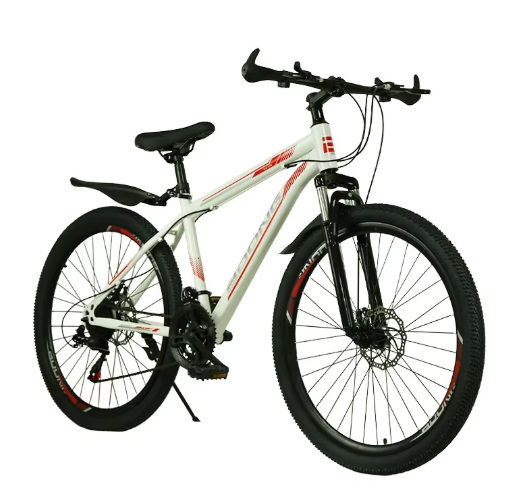
The global bicycle industry has experienced unprecedented growth in recent years, driven by increasing environmental awareness, health consciousness, and urbanization trends. For businesses looking to enter or expand within this lucrative market, partnering with a reliable oem bicycle manufacturer represents one of the most strategic decisions they can make. These specialized manufacturing partners offer comprehensive solutions that enable brands to bring high-quality bicycles to market efficiently while maintaining competitive pricing and superior build quality. Understanding the advantages of working with an established oem bicycle manufacturer can significantly impact your business success and market positioning.
Cost Efficiency and Manufacturing Excellence
Reduced Production Costs Through Scale
Working with an experienced oem bicycle manufacturer provides immediate access to economies of scale that would be impossible to achieve independently. These manufacturers leverage their extensive production capabilities across multiple client projects, allowing them to negotiate better prices on raw materials, components, and specialized equipment. The cost savings generated through bulk purchasing power directly translate to more competitive pricing for your bicycle products. Additionally, established manufacturers have optimized their production processes over years of operation, eliminating inefficiencies that could inflate manufacturing costs.
The financial benefits extend beyond direct production costs to encompass reduced overhead expenses for equipment, facilities, and specialized personnel. Rather than investing millions in manufacturing infrastructure, businesses can allocate resources toward marketing, distribution, and product development activities that drive growth. This strategic resource allocation enables companies to enter the bicycle market with significantly lower capital requirements while maintaining access to world-class manufacturing capabilities.
Quality Control and Manufacturing Standards
Professional oem bicycle manufacturer partners maintain rigorous quality control systems that ensure consistent product excellence across all production runs. These manufacturers typically hold international certifications such as ISO 9001, demonstrating their commitment to systematic quality management practices. Their quality assurance processes include comprehensive testing protocols for frame integrity, component durability, and safety compliance that exceed industry standards. This level of quality oversight provides peace of mind and reduces the risk of product recalls or safety issues.
The manufacturing expertise accumulated by these specialists enables them to identify potential quality issues before they impact production, saving time and resources while maintaining product integrity. Their experienced quality control teams understand the nuances of bicycle manufacturing, from frame welding techniques to component assembly procedures, ensuring every bicycle meets specified performance criteria. This expertise proves invaluable when developing new products or adapting existing designs for different market segments.
Design Flexibility and Innovation Support
Customization Capabilities for Brand Differentiation
A professional oem bicycle manufacturer offers extensive customization options that enable brands to create distinctive products aligned with their target market preferences. These capabilities range from frame geometry modifications and color scheme variations to component selection and specialized features integration. The flexibility to customize products allows businesses to develop unique selling propositions that differentiate their bicycles from competitors while maintaining cost-effective production methods. This customization extends to packaging design, user manuals, and accessory integration that reinforces brand identity.
The design collaboration process with an experienced manufacturer typically includes access to their engineering teams who can provide valuable insights on product optimization, material selection, and manufacturing feasibility. These professionals understand market trends and can suggest improvements that enhance product appeal while maintaining production efficiency. Their experience across diverse bicycle categories enables them to recommend design elements that have proven successful in similar applications.
Research and Development Partnership
Leading oem bicycle manufacturer partners maintain dedicated research and development facilities that continuously explore new materials, technologies, and design innovations. By partnering with these manufacturers, businesses gain access to cutting-edge developments in bicycle technology without investing in independent research capabilities. This collaboration can result in exclusive access to new innovations that provide competitive advantages in the marketplace. The shared development costs make advanced technologies more accessible to smaller brands that might otherwise lack the resources for extensive R&D programs.
The innovation pipeline maintained by established manufacturers often includes emerging trends in electric bicycle systems, lightweight materials, and smart connectivity features that represent the future of the industry. Early access to these technologies through manufacturing partnerships enables brands to position themselves as innovation leaders while benefiting from proven development processes and testing protocols that reduce time-to-market for new products.
Supply Chain Management and Logistics Excellence
Streamlined Component Sourcing
An established oem bicycle manufacturer maintains extensive supplier networks that ensure reliable access to high-quality components at competitive prices. These relationships, built over years of collaboration, provide stability in an industry where component availability can significantly impact production schedules. The manufacturer's purchasing power and established relationships enable them to secure priority allocation of critical components during supply shortages, ensuring consistent production flow for their partners. This supply chain resilience proves crucial when market demand fluctuates or global supply disruptions occur.
The component sourcing expertise of professional manufacturers extends to identifying alternative suppliers and substitute materials when original specifications become unavailable or cost-prohibitive. Their technical knowledge enables them to evaluate component compatibility and performance characteristics, ensuring that any substitutions maintain product quality and safety standards. This flexibility in sourcing helps maintain production schedules while optimizing costs throughout the manufacturing process.
Global Distribution and Shipping Coordination
Professional oem bicycle manufacturer partners typically offer comprehensive logistics services that simplify the complex process of international shipping and distribution. Their experience in global markets includes understanding customs requirements, documentation procedures, and shipping regulations that vary by destination country. This expertise prevents costly delays and ensures compliance with international trade requirements. Many manufacturers maintain relationships with freight forwarders and shipping companies that provide competitive rates and reliable service for bicycle transportation.
The logistics coordination provided by experienced manufacturers extends to packaging optimization that reduces shipping costs while ensuring product protection during transit. Their understanding of bicycle-specific shipping requirements includes proper frame protection, component securing, and space-efficient packaging that minimizes freight expenses. This comprehensive logistics support enables businesses to focus on sales and marketing activities while ensuring smooth product delivery to their customers worldwide.
Market Entry Strategy and Competitive Positioning
Accelerated Time-to-Market
Partnering with an experienced oem bicycle manufacturer significantly reduces the time required to bring new products to market compared to establishing independent manufacturing capabilities. These manufacturers maintain ready-to-use production lines, trained personnel, and established processes that can be quickly adapted to new product requirements. The reduced development time enables businesses to capitalize on market opportunities more effectively and respond rapidly to changing consumer preferences or competitive pressures.
The streamlined product development process facilitated by professional manufacturers includes rapid prototyping capabilities, testing facilities, and design validation services that compress traditional development timelines. Their experience in similar projects enables them to anticipate potential challenges and implement solutions proactively, avoiding delays that commonly occur in new product launches. This accelerated timeline provides competitive advantages in fast-moving markets where being first to market can establish lasting market position.
Risk Mitigation and Business Continuity
Working with an established oem bicycle manufacturer provides natural risk diversification that protects businesses from various operational and financial hazards. These manufacturers maintain multiple production lines, backup equipment, and alternative processes that ensure business continuity even when unexpected disruptions occur. Their financial stability and operational redundancy provide security for long-term business relationships and consistent product availability. This risk mitigation proves particularly valuable for businesses that depend on reliable product supply to maintain customer relationships and market position.
The insurance coverage and liability protection maintained by professional manufacturers provides additional security for their partners, reducing exposure to potential product liability issues or manufacturing defects. Their comprehensive quality control and testing procedures minimize the likelihood of problems while their insurance coverage provides financial protection when issues do occur. This risk sharing arrangement enables smaller businesses to compete in markets where product liability concerns might otherwise present prohibitive barriers to entry.
FAQ
What should I look for when selecting an oem bicycle manufacturer
When evaluating potential manufacturing partners, focus on their production capabilities, quality certifications, and track record with similar projects. Verify their compliance with international safety standards and their ability to meet your volume requirements within specified timelines. Review their customer references and assess their financial stability to ensure long-term partnership viability. Additionally, evaluate their design support capabilities, customization options, and logistics services to determine if they align with your business requirements.
How does working with an oem bicycle manufacturer affect product pricing
Professional manufacturers typically provide more competitive pricing than independent production due to their economies of scale, established supplier relationships, and optimized production processes. While you may pay manufacturing fees, the overall cost structure often results in lower per-unit costs compared to in-house production when considering equipment investments, facility costs, and personnel requirements. The pricing advantages become more pronounced with higher volume orders and long-term partnership agreements.
Can an oem bicycle manufacturer help with product design and development
Most experienced manufacturers offer comprehensive design support services including engineering consultation, prototype development, and design optimization recommendations. Their technical expertise can help improve product performance, reduce manufacturing costs, and ensure compliance with safety regulations. Many manufacturers maintain in-house design teams that collaborate with clients throughout the development process, providing valuable insights based on their manufacturing experience and market knowledge.
What minimum order quantities do oem bicycle manufacturers typically require
Minimum order quantities vary significantly based on the manufacturer's capabilities, product complexity, and customization requirements. Standard models may have lower minimums ranging from 100 to 500 units, while highly customized products might require larger initial orders of 1000 or more units. Many manufacturers offer flexible arrangements for new clients, including smaller initial orders to test market acceptance before committing to larger volumes. Discuss your specific requirements with potential partners to understand their minimum order policies and available flexibility options.