
 EN
EN




Early childhood development relies heavily on physical activities that challenge motor skills and build self-assurance. Among the most effective tools for achieving these developmental milestones is the balance bike, a specially designed two-wheeled vehicle that helps young children develop essential coordination and confidence before transitioning to traditional pedal bicycles. These innovative learning tools have revolutionized how children approach cycling, offering a natural progression that eliminates many of the fears and frustrations associated with learning to ride.
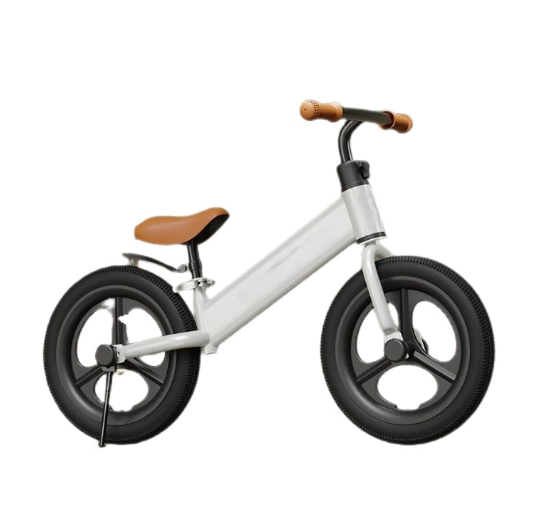
Understanding Balance Bike Development Benefits
Physical Coordination Enhancement
The primary advantage of using a balance bike lies in its ability to develop gross motor skills through natural movement patterns. Children learn to coordinate their movements by propelling themselves forward with their feet while simultaneously maintaining balance on two wheels. This process strengthens core muscles, improves spatial awareness, and enhances proprioception - the body's ability to sense its position in space. The repetitive motion of scooting and balancing creates neural pathways that support advanced motor function development.
Research indicates that children who use balance bikes demonstrate superior balance control compared to those who learn on training wheels. The absence of pedals forces young riders to focus entirely on steering and balance, eliminating the complexity of pedaling coordination that often overwhelms beginners. This focused approach allows children to master one skill at a time, building confidence through incremental achievements that reinforce positive learning experiences.
Cognitive Development Through Physical Activity
Beyond physical benefits, balance bike riding stimulates cognitive development through problem-solving and decision-making processes. Children must constantly assess their environment, adjust their speed, navigate obstacles, and make split-second decisions about steering and braking. These mental processes enhance executive function skills, improve reaction times, and develop risk assessment abilities that extend beyond cycling activities.
The cognitive demands of balance bike riding also support attention and concentration development. Children must maintain focus on multiple simultaneous tasks - steering, balancing, monitoring speed, and observing surroundings - which strengthens their ability to process multiple information streams effectively. This enhanced multitasking capability translates into improved performance in academic and social settings.
Building Confidence Through Progressive Learning
Fear Reduction and Positive Associations
Traditional bicycle learning often involves falls, frustration, and fear that can create lasting negative associations with cycling. Balance bikes eliminate many of these concerns by allowing children to maintain contact with the ground throughout the learning process. This safety feature reduces anxiety and enables children to progress at their own pace without the pressure of immediate pedaling mastery.
The gradual nature of balance bike learning creates positive reinforcement cycles that build confidence systematically. Children experience success early in the process, which motivates continued practice and exploration. Each small achievement - maintaining balance for longer periods, steering more accurately, or navigating gentle slopes - reinforces their belief in their abilities and encourages further skill development.
Independence and Self-Efficacy Development
Balance bikes promote independence by allowing children to control their learning experience without constant adult intervention. Unlike traditional bicycle instruction, which often requires adults to run alongside or provide physical support, balance bike riding enables children to practice autonomously. This independence fosters self-efficacy beliefs and teaches children to trust their own abilities and judgment.
The self-directed nature of balance bike learning also develops resilience and persistence. Children learn to overcome minor setbacks independently, building coping strategies that apply to various life challenges. The ability to self-correct, try again after minor falls, and gradually improve performance creates a foundation of resilience that supports future learning endeavors.
Age-Appropriate Skill Development
Optimal Learning Windows
Balance bikes are specifically designed for children between ages two and five, capitalizing on critical developmental windows when balance and coordination skills are most receptive to improvement. During this period, children's nervous systems are rapidly developing, making them particularly responsive to balance training activities. The lightweight construction and low seat height of balance bikes accommodate the physical proportions and strength limitations of young children.
The timing of balance bike introduction aligns with children's natural desire for mobility and exploration. As toddlers develop walking confidence, they often seek more challenging movement experiences. Balance bikes provide an appropriate progression that satisfies this developmental drive while building skills systematically. The activity matches children's attention spans and physical capabilities, ensuring engagement without overwhelming their developing systems.
Customizable Learning Experiences
Modern balance bikes feature adjustable components that accommodate growth and skill progression. Adjustable seat heights, handlebar positions, and tire pressures allow parents to customize the riding experience for their child's specific needs and developmental stage. This adaptability ensures that the balance bike remains challenging and engaging as children's abilities improve.
The progression from initial scooting to eventual gliding represents a natural learning curve that builds upon previous achievements. Children typically begin by walking while seated, then progress to short scooting movements, longer glides, and eventually confident riding with extended periods of balance. This progression occurs organically without external pressure or artificial timelines.
Long-Term Benefits and Skill Transfer
Smooth Transition to Pedal Bicycles
Children who master balance bikes typically transition to pedal bicycles with remarkable ease and speed. The balance and steering skills developed through balance bike use transfer directly to traditional cycling, eliminating the need for training wheels or extensive adult support. Most balance bike graduates learn to pedal within minutes or hours of their first pedal bike attempt.
The confidence gained through balance bike mastery also facilitates the pedal bike transition process. Children approach the new challenge with positive expectations and self-assurance, reducing anxiety and accelerating skill acquisition. The familiarity with two-wheeled balance creates a solid foundation upon which pedaling skills can be quickly integrated.
Broader Physical Activity Engagement
Balance bike experience often serves as a gateway to broader physical activity participation. Children who develop confidence and coordination through balance bike riding frequently show increased interest in other challenging physical activities such as skateboarding, scootering, or sports participation. The positive associations formed during balance bike learning create enthusiasm for active lifestyles that can persist throughout childhood and adolescence.
The balance and coordination skills developed through balance bike use also support performance in various sports and recreational activities. The enhanced body awareness, reaction times, and spatial orientation abilities transfer to activities requiring similar skill sets, providing children with advantages in multiple physical domains.
Safety Considerations and Best Practices
Equipment Selection and Maintenance
Choosing an appropriate balance bike requires consideration of several factors including child size, bike weight, and construction quality. The bike should allow children to place both feet flat on the ground while seated, ensuring confidence and control throughout the learning process. Lightweight materials facilitate easy maneuvering while durable construction ensures safety and longevity.
Regular maintenance checks ensure optimal safety and performance. Parents should inspect tire pressure, handlebar tightness, and seat security before each riding session. Proper maintenance not only ensures safety but also provides opportunities for children to learn responsibility and equipment care principles that apply to various life situations.
Protective Equipment and Supervision
While balance bikes offer inherent safety advantages, appropriate protective equipment remains essential for injury prevention. Properly fitted helmets protect against head injuries during falls or collisions, while knee and elbow pads provide additional protection during the learning process. The protective equipment should fit correctly and be worn consistently to establish safe riding habits.
Adult supervision ensures safe riding environments and provides guidance when needed. Parents should select appropriate riding locations with smooth surfaces, minimal traffic, and adequate space for practice. Supervision also allows adults to observe progress, provide encouragement, and intervene if safety concerns arise.
FAQ
At what age should a child start using a balance bike
Children can typically start using balance bikes between ages two and three, depending on their individual development and walking confidence. The key indicator is whether the child can walk steadily and has the leg length to touch the ground while seated on the bike. Most balance bikes are designed for children up to age five, providing several years of use and skill development.
How long does it take for children to master balance bike riding
The timeline for balance bike mastery varies significantly among children, typically ranging from several weeks to a few months of regular practice. Children who practice frequently in appropriate environments often progress more quickly than those with limited opportunities. The progression from initial scooting to confident gliding usually occurs gradually over multiple practice sessions.
Can balance bikes be used indoors
Balance bikes can be used indoors in appropriate spaces with smooth floors and adequate room for movement. Indoor use is particularly valuable during inclement weather or for initial skill development in controlled environments. However, parents should ensure sufficient space exists to prevent collisions with furniture or walls, and consider noise levels in multi-story buildings.
Do balance bikes work for children with developmental delays
Balance bikes can be beneficial for children with mild developmental delays, though individual assessment and professional guidance may be necessary. The adjustable nature of balance bikes allows for customization to meet specific needs and abilities. Occupational therapists or physical therapists can provide recommendations for appropriate use and modifications to support children with special needs.