
 EN
EN



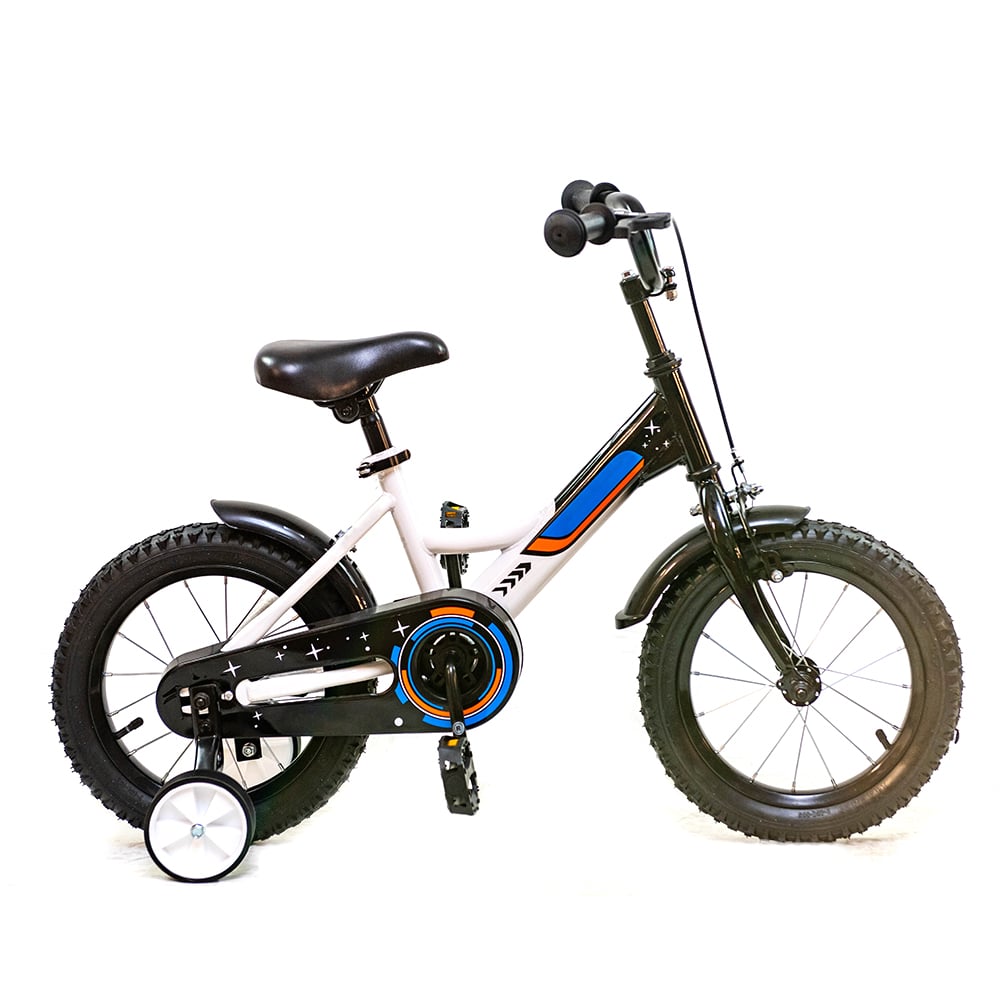
The bicycle industry has undergone significant transformation in recent years, with consumers increasingly seeking value without compromising on quality. Factory direct bikes wholesale represents a revolutionary approach to bicycle distribution that eliminates traditional retail markups while maintaining rigorous manufacturing standards. This direct-to-consumer model fundamentally changes how bicycles reach end users, creating opportunities for substantial cost savings while ensuring manufacturers maintain strict quality control throughout the production process.
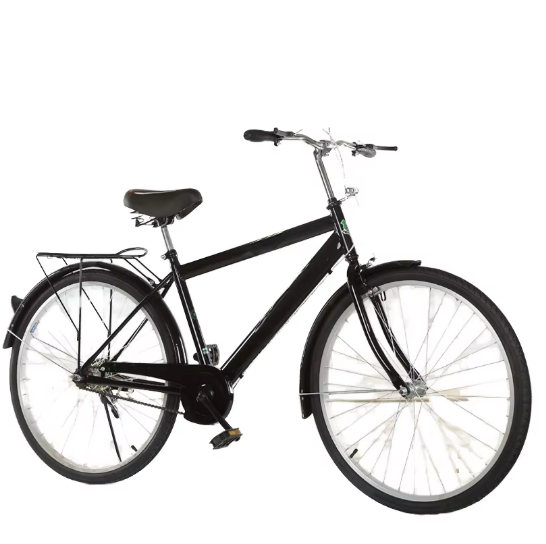
Understanding how factory direct bikes wholesale achieves this balance requires examining the intricate mechanisms that drive both quality assurance and cost efficiency. Manufacturers who embrace this model implement comprehensive systems that address every aspect of production, from material sourcing to final inspection, while simultaneously streamlining distribution channels to deliver maximum value to consumers. The success of this approach depends on sophisticated quality management systems, strategic supply chain optimization, and innovative manufacturing processes that prioritize both excellence and affordability.
Streamlined Supply Chain Management
Elimination of Intermediary Markups
The cornerstone of factory direct bikes wholesale success lies in the strategic elimination of intermediary distributors and retailers who traditionally add layers of markup to bicycle pricing. By selling directly from manufacturing facilities to consumers or bulk purchasers, companies can reduce final pricing by 30-50% compared to traditional retail channels. This direct relationship allows manufacturers to maintain greater control over pricing strategies while passing genuine savings to customers without sacrificing product quality or service standards.
Traditional bicycle distribution involves multiple touchpoints including regional distributors, wholesale intermediaries, and retail outlets, each adding operational costs and profit margins. Factory direct bikes wholesale bypasses these layers entirely, creating a streamlined path from production floor to end user. This approach requires manufacturers to develop robust logistics capabilities and customer service infrastructure, but the resulting cost savings justify these investments while enabling more competitive pricing structures.
Direct Manufacturer Relationships
Building direct relationships between manufacturers and customers creates transparency that traditional retail models cannot match. Factory direct bikes wholesale operations maintain open communication channels that allow customers to understand manufacturing processes, quality standards, and production timelines. This transparency builds trust while enabling manufacturers to receive immediate feedback about product performance, design preferences, and market demands that inform continuous improvement initiatives.
These direct relationships also facilitate customization opportunities that would be prohibitively expensive through traditional retail channels. Manufacturers can offer personalized specifications, color options, and component upgrades without the complexity and markup associated with retail special orders. The result is enhanced customer satisfaction combined with production efficiency that drives both quality improvements and cost optimization throughout the manufacturing process.
Quality Control Systems and Standards
Integrated Manufacturing Oversight
Factory direct bikes wholesale operations implement comprehensive quality control systems that begin with raw material inspection and continue through every production stage. These manufacturers typically employ multi-point inspection protocols that exceed industry standards, including stress testing, component verification, and final assembly validation. By maintaining direct control over these processes, companies can ensure consistent quality while identifying and addressing potential issues before products reach customers.
Advanced quality management systems utilize statistical process control, automated inspection technologies, and skilled technician oversight to maintain exacting standards. Factory direct bikes wholesale operations often exceed the quality metrics of traditionally distributed bicycles because manufacturers can implement immediate corrective actions and process improvements without coordinating through multiple distribution partners.
Certification and Compliance Standards
Reputable factory direct bikes wholesale manufacturers maintain rigorous certification standards that meet or exceed international safety and quality requirements. These certifications include ISO 9001 quality management standards, EN 14764 safety specifications for city and trekking bicycles, and various regional safety certifications that ensure products meet strict performance criteria. The direct sales model actually enhances compliance monitoring because manufacturers maintain complete traceability from component sourcing through final delivery.
Compliance verification extends beyond basic safety requirements to include environmental standards, labor practices, and supply chain ethics that modern consumers increasingly value. Factory direct bikes wholesale operations can demonstrate these commitments more effectively than traditional retail channels because they maintain direct oversight of all production processes and can provide detailed documentation of their quality and ethical standards to customers who request transparency.
Cost Optimization Strategies
Economies of Scale in Production
Factory direct bikes wholesale manufacturers achieve significant cost advantages through strategic production planning that maximizes economies of scale. By producing larger quantities of standardized models, these companies can negotiate better pricing on components, optimize production line efficiency, and reduce per-unit manufacturing costs. This approach requires sophisticated demand forecasting and inventory management, but results in cost savings that can be passed directly to consumers while maintaining healthy profit margins.
Large-scale production also enables manufacturers to invest in advanced manufacturing equipment and automation technologies that improve both quality and efficiency. These investments reduce labor costs, minimize human error, and increase production consistency while lowering overall manufacturing costs. The savings generated through these efficiency improvements allow factory direct bikes wholesale operations to offer competitive pricing while maintaining superior quality standards.
Efficient Resource Allocation
Direct sales models enable manufacturers to allocate resources more efficiently by eliminating the marketing, distribution, and inventory costs associated with traditional retail partnerships. Instead of supporting complex retail networks, factory direct bikes wholesale companies can focus investments on production capabilities, quality improvements, and customer service infrastructure that directly benefit end users. This resource reallocation creates a more efficient business model that supports both affordability and quality enhancement.
Efficient resource allocation also includes strategic decisions about component sourcing, manufacturing location, and logistics optimization that minimize operational costs while maintaining quality standards. Factory direct bikes wholesale manufacturers can make these decisions based solely on production efficiency and customer value rather than accommodating retail partner requirements or distribution network limitations that might compromise cost optimization efforts.
Technology Integration and Innovation
Advanced Manufacturing Processes
Modern factory direct bikes wholesale operations leverage cutting-edge manufacturing technologies that enhance both quality and cost efficiency. These technologies include computer-controlled welding systems, precision frame alignment equipment, and automated painting processes that ensure consistent quality while reducing production time and labor costs. Investment in advanced manufacturing equipment enables these companies to maintain competitive pricing while delivering products that meet or exceed traditional retail quality standards.
Technology integration extends to quality testing equipment, including computerized stress testing systems, precision measurement tools, and environmental testing chambers that validate product performance under various conditions. These technological capabilities allow factory direct bikes wholesale manufacturers to implement more rigorous testing protocols than many traditional producers while maintaining efficient production schedules that support competitive pricing strategies.
Digital Platform Optimization
Factory direct bikes wholesale success increasingly depends on sophisticated digital platforms that streamline ordering, customization, and customer service processes. These platforms enable customers to configure bicycles according to their specific requirements, track production progress, and access detailed product information that traditionally required in-person retail consultation. Digital optimization reduces operational costs while enhancing customer experience and enabling mass customization capabilities that add value without increasing production complexity.
Advanced customer relationship management systems integrated with these platforms enable manufacturers to provide personalized service, manage warranty claims efficiently, and gather customer feedback that drives continuous improvement. The data collected through these digital interactions helps factory direct bikes wholesale operations optimize product designs, identify market trends, and enhance manufacturing processes that support both quality improvement and cost reduction initiatives.
Market Impact and Consumer Benefits
Accessibility and Value Proposition
Factory direct bikes wholesale models significantly improve bicycle accessibility by offering high-quality products at price points that make cycling more affordable for diverse consumer segments. This accessibility extends beyond simple cost reduction to include flexible payment options, direct warranty support, and personalized customer service that enhances the overall value proposition. The result is expanded market reach that benefits both manufacturers and consumers while promoting cycling adoption across broader demographic groups.
The value proposition of factory direct bikes wholesale extends to long-term ownership costs through improved component quality, comprehensive warranty coverage, and direct access to replacement parts and service support. These factors reduce the total cost of bicycle ownership while ensuring customers receive maximum value from their investment. This comprehensive approach to value creation distinguishes factory direct operations from traditional retail models that often prioritize initial sales over long-term customer satisfaction.
Quality Assurance Transparency
Factory direct bikes wholesale operations provide unprecedented transparency in quality assurance processes, allowing customers to understand exactly how their bicycles are manufactured, tested, and validated before delivery. This transparency includes detailed information about component specifications, testing procedures, and quality certifications that help customers make informed purchasing decisions. The direct relationship between manufacturer and customer enables this level of transparency while building trust and confidence in product quality.
Transparency extends to manufacturing practices, supply chain ethics, and environmental impact that increasingly influence consumer purchasing decisions. Factory direct bikes wholesale manufacturers can demonstrate their commitment to responsible manufacturing practices more effectively than traditional retail channels because they maintain direct control over all aspects of production and can provide detailed documentation of their standards and practices to interested customers.
FAQ
How does factory direct bikes wholesale maintain quality without traditional retail oversight?
Factory direct bikes wholesale maintains quality through comprehensive internal quality management systems that often exceed traditional retail oversight standards. These manufacturers implement multi-stage inspection processes, statistical quality control, and direct customer feedback loops that enable continuous improvement. The elimination of retail intermediaries actually enhances quality control because manufacturers maintain direct responsibility for customer satisfaction and can implement immediate corrective actions when issues arise.
What cost savings can consumers expect from factory direct bikes wholesale compared to traditional retail?
Consumers can typically expect cost savings of 30-50% when purchasing through factory direct bikes wholesale compared to traditional retail channels. These savings result from eliminating distributor markups, retail margins, and intermediary handling costs while maintaining equivalent or superior product quality. The exact savings depend on specific product categories and traditional retail pricing structures, but the direct sales model consistently delivers significant value advantages for consumers.
Are warranties and customer service comparable to traditional bicycle retailers?
Factory direct bikes wholesale operations often provide superior warranty coverage and customer service compared to traditional retailers because manufacturers maintain direct relationships with customers and complete control over service delivery. These companies typically offer comprehensive warranties, direct technical support, and streamlined replacement part access that eliminates the complexity and delays associated with retail intermediaries. The direct relationship enables more responsive service and faster resolution of customer concerns.
How can consumers verify the quality standards of factory direct bikes wholesale manufacturers?
Consumers can verify quality standards by reviewing manufacturer certifications, examining detailed product specifications, and researching customer reviews and testimonials. Reputable factory direct bikes wholesale manufacturers maintain international quality certifications, provide comprehensive product documentation, and offer transparent communication about their manufacturing processes and quality control procedures. Many also provide facility tours or detailed virtual presentations that demonstrate their quality management systems and production capabilities.
Table of Contents
- Streamlined Supply Chain Management
- Quality Control Systems and Standards
- Cost Optimization Strategies
- Technology Integration and Innovation
- Market Impact and Consumer Benefits
-
FAQ
- How does factory direct bikes wholesale maintain quality without traditional retail oversight?
- What cost savings can consumers expect from factory direct bikes wholesale compared to traditional retail?
- Are warranties and customer service comparable to traditional bicycle retailers?
- How can consumers verify the quality standards of factory direct bikes wholesale manufacturers?