
 EN
EN



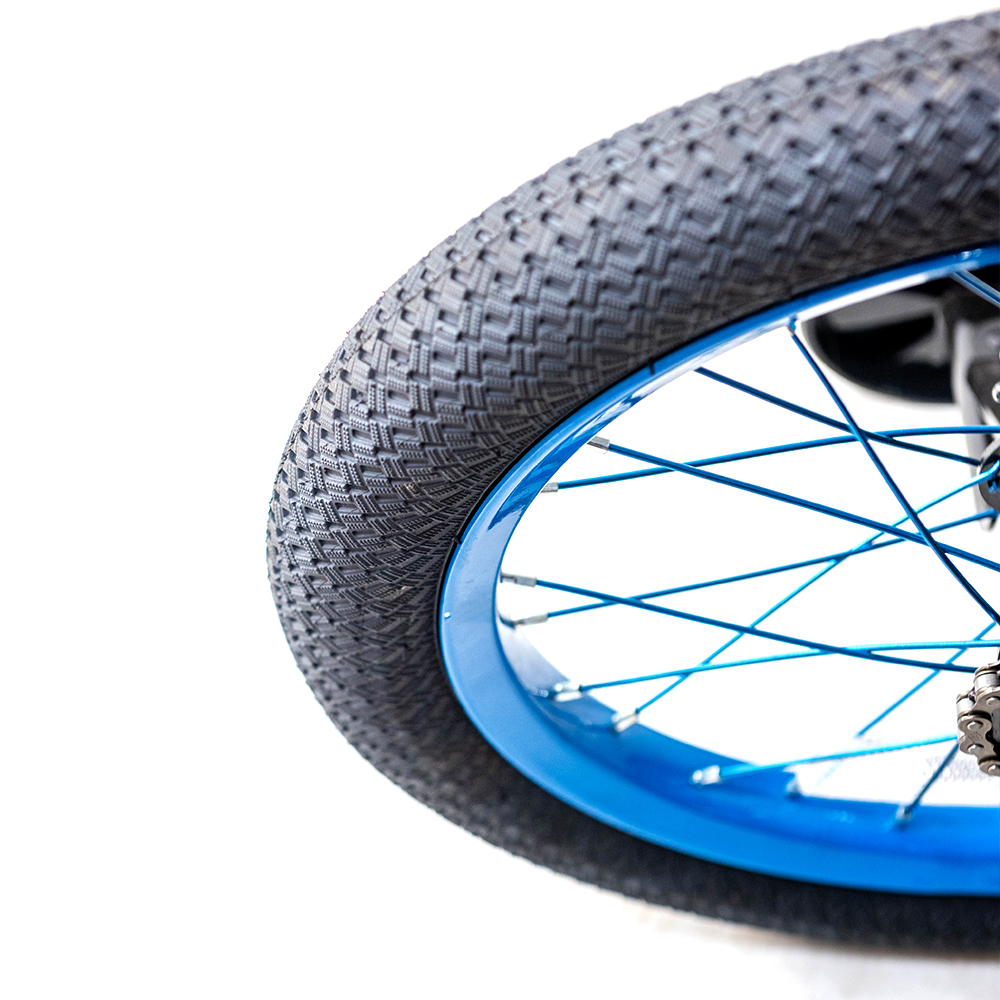
The bicycle industry has experienced unprecedented growth in recent years, with retailers and distributors seeking cost-effective solutions to meet increasing consumer demand. Understanding how cheap wholesale bicycles for sale align with market needs requires examining the complex interplay between manufacturing efficiency, distribution strategies, and consumer purchasing behaviors that drive this dynamic marketplace.
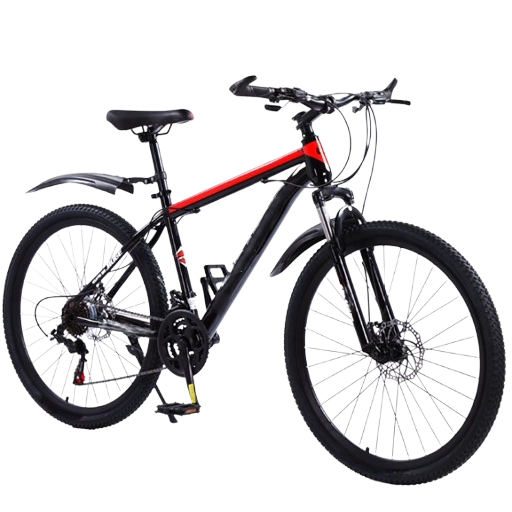
Market demands for affordable cycling solutions have intensified as urban mobility trends shift toward sustainable transportation options. Retailers require access to competitively priced inventory that maintains quality standards while delivering profit margins necessary for business sustainability. The strategic sourcing of cheap wholesale bicycles for sale enables businesses to respond effectively to diverse consumer segments seeking value-driven purchasing options.
Manufacturing Efficiency and Cost Structure Optimization
Streamlined Production Processes
Modern bicycle manufacturers have revolutionized production methodologies to deliver cheap wholesale bicycles for sale without compromising essential quality benchmarks. Advanced manufacturing techniques, including automated welding systems and precision tooling, enable consistent output at reduced per-unit costs. These efficiency gains translate directly into wholesale pricing advantages that retailers can leverage to meet price-sensitive market segments.
Production optimization extends beyond basic assembly processes to encompass material sourcing, inventory management, and quality control integration. Manufacturers implementing lean production principles reduce waste streams while maintaining output consistency. The resulting cost savings enable competitive wholesale pricing that addresses market demands for affordable cycling solutions across diverse consumer demographics.
Economies of scale play a crucial role in establishing sustainable cost structures for wholesale bicycle distribution. Large-scale production runs reduce fixed costs per unit while enabling negotiated material pricing advantages. These operational efficiencies create the foundation for delivering cheap wholesale bicycles for sale that meet retailer margin requirements and consumer price expectations simultaneously.
Material Sourcing and Supply Chain Integration
Strategic material procurement practices significantly impact the availability and pricing of cheap wholesale bicycles for sale in competitive markets. Manufacturers establishing long-term supplier relationships secure predictable material costs while ensuring consistent quality standards. Direct sourcing arrangements eliminate intermediary markups, contributing to overall cost reduction strategies that benefit wholesale purchasers.
Global supply chain integration enables manufacturers to optimize material costs through geographic arbitrage and supplier diversification. These strategic sourcing approaches reduce dependency on single-source suppliers while maintaining competitive pricing structures. The resulting cost advantages enable sustained availability of affordable wholesale bicycle inventory that meets evolving market demands.
Quality assurance protocols ensure that cost optimization strategies do not compromise product integrity or safety standards. Comprehensive testing procedures and supplier certification requirements maintain consistent quality levels across production batches. This quality consistency supports retailer confidence in promoting cheap wholesale bicycles for sale to price-conscious consumers seeking reliable transportation solutions.
Distribution Network Efficiency and Market Accessibility
Logistics Optimization Strategies
Efficient distribution networks enable rapid market penetration for cheap wholesale bicycles for sale while minimizing transportation and warehousing costs. Strategic warehouse positioning reduces shipping distances and delivery timeframes, enabling retailers to maintain optimal inventory levels without excessive carrying costs. These logistics efficiencies contribute to overall cost reduction that benefits both wholesalers and retail partners.
Consolidated shipping arrangements and optimized packaging designs reduce per-unit transportation costs for wholesale bicycle distribution. Volume-based shipping agreements enable predictable logistics expenses while ensuring timely delivery schedules. These operational efficiencies support consistent availability of affordable bicycle inventory across diverse geographic markets.
Technology integration streamlines order processing, inventory tracking, and delivery coordination for wholesale bicycle operations. Automated systems reduce administrative overhead while improving order accuracy and delivery reliability. These technological advantages enable competitive pricing structures that support market demand for affordable cycling solutions.
Retailer Partnership Development
Successful wholesale bicycle distribution requires strategic partnerships with retailers capable of effectively marketing cheap wholesale bicycles for sale to target consumer segments. Partnership development focuses on identifying retailers with established customer bases and proven sales capabilities in affordable product categories. These relationships ensure effective market penetration and sustained demand generation.
Training and support programs enable retail partners to effectively present product features and value propositions associated with wholesale bicycle offerings. Educational initiatives covering product specifications, maintenance requirements, and customer service protocols improve sales effectiveness. These support mechanisms enhance retailer confidence in promoting affordable bicycle inventory to price-sensitive consumers.
Flexible ordering and payment terms accommodate diverse retailer operational requirements while supporting inventory turnover optimization. Customized partnership arrangements enable retailers to manage cash flow effectively while maintaining adequate stock levels. These flexible arrangements support sustained market demand for cheap wholesale bicycles for sale across varied retail environments.
Consumer Demand Analysis and Market Positioning
Price Sensitivity and Value Perception
Consumer research indicates significant price sensitivity in bicycle purchasing decisions, particularly among entry-level riders and budget-conscious households. Market demand for cheap wholesale bicycles for sale reflects broader economic pressures and changing transportation preferences. Understanding these consumer motivations enables effective product positioning and inventory planning strategies.
Value perception extends beyond initial purchase price to encompass total cost of ownership, including maintenance requirements and durability expectations. Consumers seeking affordable bicycle options evaluate long-term value propositions when comparing available alternatives. This comprehensive value assessment influences purchasing decisions and repeat purchase patterns in competitive markets.
Demographic analysis reveals distinct consumer segments driving demand for affordable bicycle options, including students, urban commuters, and recreational riders with limited budgets. Each segment exhibits specific feature preferences and price tolerance levels that influence wholesale inventory requirements. Understanding these segment characteristics enables targeted product development and distribution strategies.
Market Trend Integration
Evolving transportation trends, including increased environmental awareness and urban mobility challenges, drive sustained demand for affordable cycling solutions. Market positioning for cheap wholesale bicycles for sale must address these broader societal shifts while maintaining competitive pricing structures. This trend alignment ensures continued relevance in dynamic consumer markets.
Seasonal demand patterns influence inventory planning and pricing strategies for wholesale bicycle distribution. Understanding peak demand periods enables optimal production scheduling and distribution timing. These seasonal considerations ensure adequate inventory availability during high-demand periods while minimizing carrying costs during slower sales periods.
Emerging consumer preferences for sustainable transportation options create opportunities for affordable bicycle market expansion. Environmental consciousness among younger consumers drives interest in cycling as a primary transportation mode. This demographic shift supports sustained demand growth for cheap wholesale bicycles for sale across diverse market segments.
Quality Standards and Competitive Positioning
Performance Specification Balance
Successful cheap wholesale bicycles for sale must balance affordability with essential performance characteristics required for safe and reliable operation. Critical specifications include frame strength, braking system reliability, and component durability under normal usage conditions. These performance standards ensure consumer satisfaction while maintaining competitive pricing structures.
Component selection strategies focus on identifying cost-effective alternatives that meet minimum performance requirements without compromising safety standards. Strategic sourcing of reliable components enables consistent product quality while supporting affordable wholesale pricing. This component optimization ensures sustainable product positioning in competitive markets.
Testing protocols verify that performance specifications meet established safety and reliability standards across production batches. Comprehensive quality assurance procedures maintain consistent product characteristics while supporting retailer confidence in wholesale bicycle offerings. These quality measures ensure customer satisfaction and repeat purchase potential.
Market Differentiation Strategies
Differentiation in the affordable bicycle market requires strategic feature selection that provides meaningful value without significant cost increases. Unique design elements, color options, and accessory packages enable product distinction while maintaining competitive pricing. These differentiation strategies support market positioning for cheap wholesale bicycles for sale in crowded competitive environments.
Brand positioning emphasizes value delivery and customer satisfaction rather than premium features or luxury positioning. Marketing messages focus on practical benefits, reliability, and affordability appeals that resonate with target consumer segments. This positioning strategy aligns with market demand characteristics for budget-conscious bicycle purchasers.
Customer service excellence provides additional differentiation opportunities through responsive support, warranty coverage, and problem resolution capabilities. Superior service delivery enhances overall value perception while supporting customer loyalty development. These service advantages complement product affordability in creating comprehensive value propositions.
FAQ
What factors determine pricing for cheap wholesale bicycles for sale?
Wholesale bicycle pricing depends on manufacturing costs, material expenses, production volumes, distribution efficiency, and market positioning strategies. Manufacturers optimize these factors to deliver competitive pricing while maintaining quality standards and profit margins necessary for sustainable operations.
How do retailers evaluate wholesale bicycle suppliers for affordable inventory?
Retailers assess suppliers based on pricing competitiveness, product quality consistency, delivery reliability, payment terms flexibility, and customer service support capabilities. Successful supplier relationships require alignment between retailer requirements and wholesale supplier operational capabilities across these critical performance areas.
What market trends influence demand for affordable wholesale bicycles?
Key trends include increased environmental awareness, urban transportation challenges, economic pressures on consumer spending, and growing interest in active lifestyle choices. These trends create sustained demand for affordable cycling solutions while influencing product feature preferences and purchasing decision factors among target consumer segments.
How do quality standards impact cheap wholesale bicycle market positioning?
Quality standards ensure product safety, reliability, and customer satisfaction while supporting competitive pricing strategies. Manufacturers must balance cost optimization with quality requirements to maintain market credibility and retailer confidence in promoting affordable bicycle inventory to price-sensitive consumer segments.