
 EN
EN



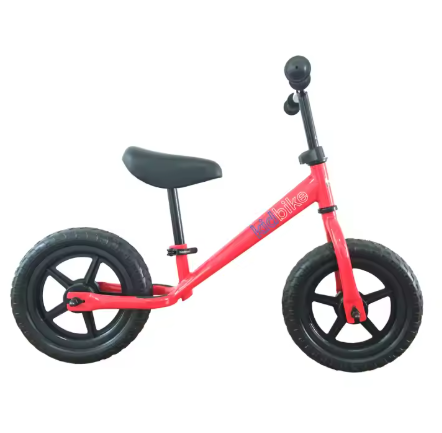
Teaching children to ride a bicycle has evolved significantly with the introduction of modern training methods and specialized equipment. One of the most revolutionary developments in early childhood cycling education is the balance bike, a pedal-free bicycle designed to help young riders develop fundamental skills before transitioning to traditional bikes. This innovative approach to learning has transformed how children experience their first steps into the cycling world, making the process more natural, enjoyable, and effective.
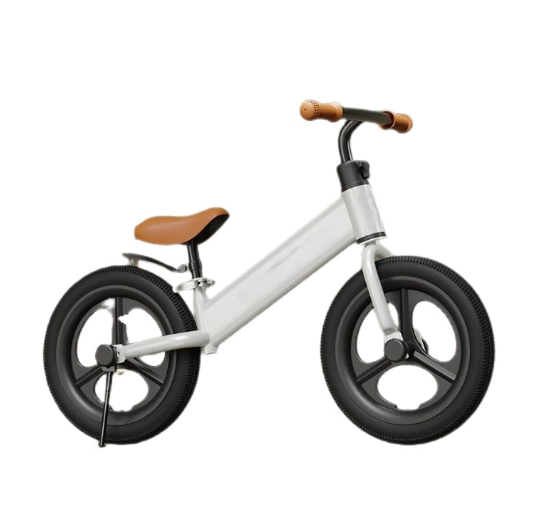
The concept behind balance bikes is elegantly simple yet profoundly effective. By removing pedals from the equation, children can focus entirely on mastering balance and steering without the complexity of coordinating pedaling movements. This streamlined approach allows young learners to develop confidence gradually while maintaining complete control over their speed and movement. Parents and cycling instructors worldwide have witnessed remarkable results when children use this method compared to traditional training wheels or direct instruction on standard bicycles.
Research in child development and motor skills acquisition supports the effectiveness of balance bikes in accelerating the learning process. Children who begin their cycling journey with these specialized bikes typically transition to pedal bikes months earlier than their peers who use conventional training methods. The natural progression from walking to gliding to balancing creates a seamless learning experience that builds upon existing motor skills rather than introducing entirely new coordination challenges.
Fundamental Principles of Balance Bike Learning
Natural Movement Development
The design philosophy of balance bikes aligns perfectly with natural human movement patterns. Young children instinctively understand walking and running motions, and the balance bike extends these familiar movements into the realm of wheeled transportation. When a child sits on a balance bike, they use the same leg muscles and coordination they employ during walking, making the transition feel intuitive and comfortable.
This natural progression eliminates the artificial learning curve created by training wheels, which can actually hinder balance development by providing false stability. Instead of learning to balance, children using training wheels often develop a dependence on external support that must be unlearned later. The balance bike approach allows children to experience real balance sensations from the beginning, creating authentic muscle memory and spatial awareness.
Motor skill development experts emphasize that the balance bike method respects the natural sequence of skill acquisition. Children first master sitting and steering while maintaining ground contact with their feet. As confidence grows, they begin lifting their feet for short periods, gradually extending these balance moments until they achieve sustained gliding. This organic progression ensures that each new skill builds solidly upon previously mastered abilities.
Progressive Skill Building
The beauty of balance bike learning lies in its inherently progressive nature. Children begin at their comfort level and advance at their own pace without external pressure or artificial milestones. The initial phase involves simply sitting on the bike and walking while steering, which feels familiar and non-threatening to most toddlers and preschoolers.
As children become comfortable with the basic movements, they naturally begin to experiment with longer strides and brief moments of lifting their feet. This experimentation phase is crucial for developing the proprioceptive awareness necessary for balance. The brain learns to process information from the inner ear, visual system, and body position sensors to maintain stability on two wheels.
The progression continues as children discover they can glide for increasingly longer distances. Each successful gliding experience reinforces neural pathways associated with balance and builds confidence for future attempts. This self-reinforcing cycle creates positive associations with cycling and encourages continued practice and improvement.
Safety Advantages of Balance Bike Training
Enhanced Control and Confidence
Safety represents one of the most compelling arguments for choosing balance bike training over traditional methods. Children using balance bikes maintain complete control over their speed and can instantly stop by placing their feet on the ground. This immediate stopping ability eliminates many common cycling accidents that occur when children panic and cannot quickly dismount or stop their bicycle.
The low-to-ground design of most balance bikes further enhances safety by reducing the distance children fall if they do lose balance. Unlike traditional bicycles with training wheels, which can tip over sideways and trap children underneath, balance bikes allow for natural, controlled dismounts in any direction. This design characteristic significantly reduces the severity of potential injuries during the learning process.
Confidence plays a crucial role in cycling safety, and balance bikes excel at building this essential quality. Children who learn on balance bikes typically display greater confidence and better decision-making skills when they transition to pedal bikes. They have experienced real balance sensations and understand their limits, making them less likely to attempt maneuvers beyond their capabilities.
Reduced Fear and Anxiety
Many children develop fear and anxiety around bicycle learning due to negative experiences with traditional training methods. Falls from height, lack of control, and overwhelming complexity can create lasting psychological barriers to cycling enjoyment. The balance bike approach virtually eliminates these fear-inducing factors by maintaining a low-stress learning environment.
The gradual nature of balance bike learning allows children to build confidence incrementally without experiencing sudden, frightening moments of instability. Each small success reinforces positive associations with cycling, creating an upward spiral of confidence and ability. Children who might otherwise struggle with fear-based learning barriers often thrive in the supportive environment that balance bikes provide.
Parents report that children using balance bikes approach cycling with enthusiasm rather than apprehension. This positive emotional foundation proves invaluable as children progress to more advanced cycling skills and face new challenges. The absence of fear allows children to focus on skill development rather than anxiety management.
Developmental Benefits Beyond Cycling
Physical Development Enhancement
Balance bike use contributes to overall physical development in ways that extend far beyond cycling skills. The activity strengthens core muscles, improves coordination, and enhances spatial awareness. These physical benefits support development in other areas of childhood activity, from playground skills to organized sports participation.
The balance and coordination skills developed through balance bike use transfer to numerous other physical activities. Children often show improved performance in activities requiring dynamic balance, such as skateboarding, skiing, or even walking on uneven surfaces. The proprioceptive training inherent in balance bike use creates a foundation for lifelong physical competence and confidence.
Research indicates that children who master balance bikes early often display superior gross motor skills compared to their peers. The complex integration of visual, vestibular, and proprioceptive systems required for balance bike mastery strengthens neural pathways that support various physical activities throughout childhood and beyond.
Cognitive and Emotional Growth
The learning process involved in mastering a balance bike provides valuable cognitive and emotional development opportunities. Children learn to assess risk, make quick decisions, and adapt to changing conditions. These executive function skills prove valuable in academic and social situations throughout childhood development.
Problem-solving skills develop naturally as children experiment with different techniques and strategies for maintaining balance and control. They learn to analyze what works and what doesn't, developing critical thinking abilities that transfer to other learning domains. The trial-and-error process inherent in balance bike mastery teaches persistence and resilience in the face of challenges.
Emotional regulation skills also benefit from balance bike experiences. Children learn to manage frustration when initial attempts don't succeed and experience the satisfaction of gradual improvement. These emotional learning experiences contribute to overall emotional intelligence and coping skill development.
Optimal Learning Conditions and Environment
Age-Appropriate Introduction
The timing of balance bike introduction plays a crucial role in maximizing learning effectiveness. Most children show readiness for balance bike activities between ages 18 months and 3 years, though individual developmental variations should guide specific timing decisions. Key readiness indicators include confident walking ability, interest in wheeled toys, and sufficient leg strength to support body weight while seated.
Physical proportions matter significantly in balance bike selection and introduction timing. Children should be able to sit comfortably on the bike with both feet flat on the ground and knees slightly bent. This positioning ensures optimal control and confidence while allowing for natural movement patterns. Bikes that are too large or too small can impede learning progress and create safety concerns.
Developmental readiness extends beyond physical capabilities to include cognitive and emotional factors. Children should demonstrate sufficient attention span for sustained activity, ability to follow basic safety instructions, and emotional regulation skills necessary for managing minor frustrations. These factors collectively determine optimal introduction timing for individual children.
Environment and Surface Selection
The learning environment significantly influences balance bike mastery success and safety. Ideal learning surfaces provide smooth, level terrain with adequate space for experimentation and movement. Paved paths, empty parking lots, and well-maintained park areas offer excellent starting environments for beginning balance bike users.
Gradual progression from easier to more challenging surfaces supports skill development while maintaining safety standards. Children typically begin on flat, smooth surfaces before advancing to gentle slopes, textured surfaces, and eventually more complex terrain. This progression allows for systematic skill building while preventing overwhelming challenges that might discourage continued practice.
Environmental factors such as weather conditions, traffic presence, and distractions also impact learning effectiveness. Calm, distraction-free environments during initial learning phases help children focus on skill development without external pressures or safety concerns. As competence increases, gradually introducing more complex environmental factors helps prepare children for real-world cycling conditions.
Transition to Pedal Bicycles
Seamless Skill Transfer
The transition from balance bike to pedal bicycle represents one of the most remarkable aspects of this learning method. Children who have mastered balance bikes typically require minimal additional instruction to begin pedaling successfully. The balance and steering skills transfer directly, leaving only the coordination of pedaling as a new skill to master.
Most children make this transition within hours or days rather than weeks or months required with traditional training methods. The existing balance foundation allows them to focus entirely on pedaling coordination without simultaneously struggling with balance maintenance. This streamlined learning process reduces frustration and accelerates overall bicycle mastery.
The confidence gained through balance bike mastery proves invaluable during the pedaling transition phase. Children approach the new challenge with positive expectations and proven problem-solving strategies. They understand their capabilities and limitations, making the learning process more efficient and enjoyable for both children and parents.
Long-term Cycling Success
Children who begin their cycling journey with balance bikes often demonstrate superior long-term cycling abilities compared to those who learn through traditional methods. They typically display better balance, more confident handling skills, and greater willingness to tackle challenging cycling situations. These advantages persist throughout childhood and into adult cycling activities.
Advanced cycling skills such as cornering, obstacle avoidance, and terrain adaptation develop more naturally in children with balance bike backgrounds. The fundamental balance and control skills provide a solid foundation for progressive skill development as children grow and encounter more demanding cycling situations.
Research suggests that early balance bike experience correlates with greater lifelong cycling enjoyment and participation. Children who master cycling through this method often maintain stronger positive associations with cycling activities, leading to continued participation in recreational and fitness cycling throughout their lives.
FAQ
At what age should my child start using a balance bike
Most children can begin using balance bikes between 18 months and 3 years of age, depending on their individual development. The key factors are confident walking ability, sufficient leg strength to support their weight while seated, and the ability to reach the ground comfortably with both feet while sitting on the bike. Children who show interest in wheeled toys and demonstrate good coordination skills often ready earlier in this age range.
How long does it typically take for children to learn balance on a balance bike
The learning timeline varies significantly among individual children, but most develop basic balance skills within 2-6 weeks of regular practice. Some children begin gliding within days, while others may need several months to feel completely comfortable. The key is allowing children to progress at their own pace without pressure, as forced learning often leads to resistance and delayed mastery.
Do children need protective gear when using balance bikes
While balance bikes are inherently safer than traditional bicycles, protective gear remains recommended, especially helmets. A properly fitted helmet should be worn during all balance bike activities to establish good safety habits and provide protection during learning. Knee and elbow pads may be beneficial for particularly active children or when learning on rougher surfaces, but they are not typically necessary on smooth, flat terrain.
Can balance bikes be used indoors or only outdoors
Balance bikes can be used both indoors and outdoors, depending on available space and surface conditions. Indoor use works well in large rooms with smooth floors, such as basements, garages, or large living areas. However, outdoor use typically provides more space for movement and eliminates concerns about furniture or household items. The choice depends on weather conditions, available space, and individual family preferences regarding indoor wheeled toy use.