
 EN
EN



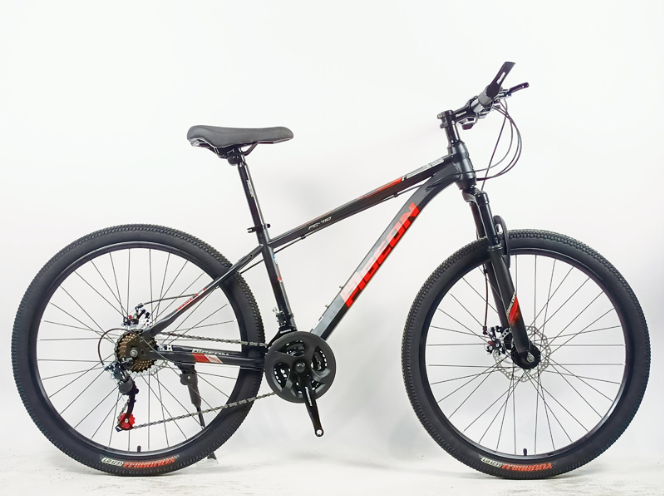
When navigating challenging terrains and unpredictable outdoor conditions, safety and stability become paramount concerns for any cyclist. A mountain bike represents the pinnacle of engineering excellence designed specifically to address these critical needs through innovative design features and robust construction methods. Understanding how these specialized bicycles deliver enhanced protection and control can help riders make informed decisions about their cycling adventures and equipment investments.
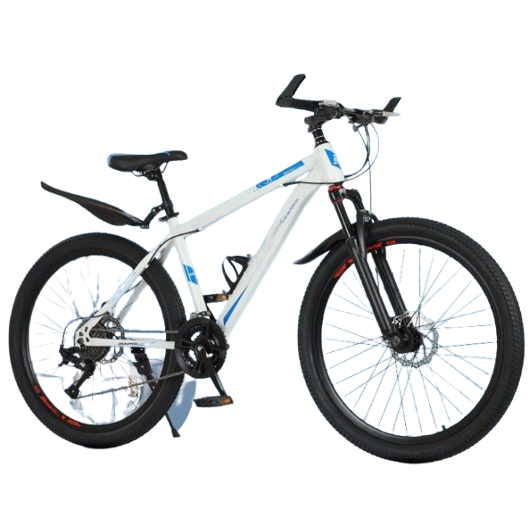
Frame Design and Structural Integrity
Material Composition and Durability
The foundation of mountain bike safety lies in its frame construction, which typically utilizes high-strength materials such as aluminum alloy, carbon fiber, or steel. These materials provide exceptional resistance to impact forces and environmental stresses commonly encountered during off-road cycling. Steel frames, in particular, offer remarkable durability and flexibility, allowing the bike to absorb shocks while maintaining structural integrity even under extreme conditions.
Modern mountain bike frames undergo rigorous testing procedures to ensure they can withstand forces far exceeding normal riding conditions. The geometric design of these frames distributes weight and stress evenly, preventing catastrophic failures that could endanger rider safety. Advanced welding techniques and quality control measures further enhance the reliability and longevity of these essential components.
Geometry and Rider Positioning
The specific geometry of a mountain bike frame significantly influences rider stability and control. Lower bottom brackets and longer wheelbases create a more stable platform that reduces the likelihood of unexpected movements or loss of control. The upright riding position facilitated by mountain bike geometry allows riders to maintain better visibility of upcoming obstacles while distributing weight more effectively across the bike.
Frame angles are carefully calculated to optimize handling characteristics for various terrain types. Slack head angles improve stability during high-speed descents, while appropriate seat tube angles ensure efficient power transfer and comfortable positioning during climbs. These design elements work together to create a safer, more predictable riding experience.
Suspension Systems and Shock Absorption
Front Fork Technology
Mountain bikes incorporate sophisticated suspension systems that dramatically enhance safety by absorbing impacts from rocks, roots, and other trail obstacles. Front suspension forks utilize hydraulic or pneumatic mechanisms to compress and rebound, maintaining tire contact with the ground while reducing jarring forces transmitted to the rider. This continuous ground contact improves steering precision and prevents dangerous wheel deflections that could cause crashes.
Quality suspension forks feature adjustable compression and rebound damping, allowing riders to fine-tune the system for specific conditions and riding styles. Proper suspension setup ensures optimal performance while preventing harsh bottom-outs that could damage the bike or injure the rider. Regular maintenance of suspension components maintains their effectiveness and extends their operational lifespan.
Rear Suspension Benefits
Full-suspension mountain bikes incorporate rear shock absorbers that further enhance stability and comfort by isolating the rider from trail irregularities. These systems maintain rear wheel traction on uneven surfaces, preventing dangerous wheel spin or loss of control during critical moments. The improved traction provided by rear suspension allows for more confident braking and acceleration on challenging terrain.
Rear suspension linkage designs vary among manufacturers, but all share the common goal of providing controlled wheel movement that responds appropriately to terrain inputs. Progressive spring rates and sophisticated damping circuits ensure that the suspension performs effectively across a wide range of conditions while maintaining pedaling efficiency on smoother sections.
Braking Systems and Control
Disc Brake Advantages
Modern mountain bikes utilize disc brake systems that provide superior stopping power and modulation compared to traditional rim brakes. These systems maintain consistent performance in wet, muddy, or dusty conditions where rim brakes might fail or perform poorly. The increased braking power allows riders to maintain control during steep descents and emergency stopping situations.
Hydraulic disc brakes offer precise feel and powerful stopping force with minimal hand effort, reducing fatigue during long rides while maintaining safety margins. The sealed hydraulic systems resist contamination and provide consistent lever feel throughout the brake pad lifecycle. Larger rotor diameters available on mountain bikes further enhance heat dissipation and braking performance.
Brake System Reliability
The reliability of mountain bike brake systems stems from their robust construction and redundant safety features. Dual-piston or even four-piston brake calipers distribute clamping forces evenly across brake pads, ensuring consistent wear patterns and predictable performance. High-quality brake fluid and sealed systems prevent moisture contamination that could compromise braking effectiveness.
Regular maintenance protocols for mountain bike brakes include pad replacement, fluid changes, and system bleeding procedures that maintain optimal performance levels. Proper brake adjustment ensures that riders can rely on consistent stopping power when navigating technical terrain or emergency situations where split-second decisions determine safety outcomes.
Tire Technology and Traction
Tread Pattern Design
Mountain bike tires feature aggressive tread patterns specifically engineered to provide maximum traction on various surfaces including loose dirt, wet rocks, and muddy trails. Deep lugs and strategic void spacing allow the tire to penetrate surface layers and grip solid substrate beneath. This enhanced traction prevents dangerous slides and allows riders to maintain control during cornering and braking maneuvers.
Different tread compounds optimize performance for specific conditions, with softer compounds providing superior grip on hard surfaces while harder compounds offer better durability on abrasive terrain. The strategic placement of side knobs enhances cornering traction, while center tread designs balance rolling resistance with straight-line grip for efficient climbing and acceleration.
Tire Construction and Durability
Robust tire construction methods protect against punctures and sidewall damage that could strand riders in remote locations or create dangerous riding conditions. Multiple casing layers, puncture-resistant belts, and reinforced sidewalls provide essential protection against sharp rocks, thorns, and other trail hazards that could compromise tire integrity.
Tubeless tire systems eliminate the risk of pinch flats while allowing lower air pressures that improve traction and comfort. Sealant compounds automatically seal small punctures, maintaining tire pressure and allowing continued safe operation. These technological advances significantly reduce the likelihood of tire-related incidents during off-road adventures.
Drivetrain Reliability and Performance
Gear Range and Climbing Capability
Wide gear ranges available on mountain bikes enable riders to maintain optimal cadence and power output across varying terrain gradients. Multiple chainring and cassette combinations provide the mechanical advantage necessary for steep climbs while offering high-speed gearing for flat sections and descents. This versatility prevents riders from becoming stranded due to inadequate gearing for specific terrain challenges.
Modern mountain bike drivetrains feature precise shifting mechanisms that ensure reliable gear changes under load and in adverse conditions. Electronic shifting systems eliminate cable stretch and contamination issues while providing instant, accurate shifts that maintain rider momentum and control during critical moments.
Component Durability and Maintenance
Mountain bike drivetrain components undergo extensive engineering to withstand the harsh conditions and high forces encountered during off-road cycling. Sealed bearing systems protect internal mechanisms from dirt and moisture intrusion, extending component lifespan while maintaining smooth operation. High-strength materials and advanced manufacturing processes ensure reliable performance even under extreme stress.
Preventive maintenance schedules for drivetrain components include regular cleaning, lubrication, and adjustment procedures that maintain optimal performance levels. Proper maintenance prevents mechanical failures that could compromise rider safety or strand cyclists in remote locations where assistance may not be readily available.
Lighting and Visibility Systems
Integrated Safety Features
Many modern mountain bikes incorporate mounting points and electrical systems for safety lighting that enhances visibility during early morning, evening, or overcast conditions. Powerful LED headlights provide sufficient illumination for safe navigation of technical terrain while conserving battery power for extended rides. Rear lighting systems increase visibility to other trail users and emergency responders.
Reflective elements integrated into frame design, wheel systems, and accessories enhance passive visibility without requiring electrical power. These safety features prove particularly valuable during emergency situations or unexpected delays that extend rides beyond planned daylight hours. Strategic placement of reflective materials maximizes visibility from multiple angles.
Emergency Preparedness
Mountain bikes can be equipped with emergency communication devices and navigation systems that enhance safety during remote adventures. GPS units provide precise location information for emergency services while tracking features allow others to monitor ride progress. Satellite communication devices enable emergency calls from areas without cellular coverage.
Tool storage systems and repair kits allow riders to address common mechanical issues without external assistance. Proper emergency preparedness reduces the risk of being stranded due to equipment failures and ensures that minor problems do not escalate into dangerous situations requiring rescue operations.
FAQ
What makes mountain bike suspension systems safer than rigid bikes?
Mountain bike suspension systems significantly enhance safety by maintaining tire contact with the ground over rough terrain, which improves steering control and braking effectiveness. The shock absorption reduces rider fatigue and prevents loss of control caused by jarring impacts. Suspension also protects both the bike and rider from damage during harsh landings or obstacle encounters.
How do disc brakes improve mountain bike safety compared to rim brakes?
Disc brakes provide superior stopping power and consistent performance in all weather conditions, unlike rim brakes that can fail in wet or muddy situations. They offer better heat dissipation during long descents, preventing brake fade that could lead to accidents. The increased modulation and power require less hand strength, reducing fatigue while maintaining precise control over braking force.
Why are wide tires important for mountain bike stability?
Wide tires provide a larger contact patch with the ground, increasing traction and stability on loose or uneven surfaces. They can be run at lower pressures for better grip and shock absorption while reducing the risk of pinch flats. The increased air volume also provides a more comfortable ride that helps maintain rider control during extended periods on rough terrain.
How does mountain bike geometry contribute to rider safety?
Mountain bike geometry places riders in an upright position that provides better visibility of upcoming obstacles and hazards. The longer wheelbase and lower center of gravity create inherent stability that reduces the likelihood of crashes. Slack head angles improve high-speed stability while appropriate frame sizing ensures proper weight distribution and control responsiveness for different rider sizes.