
 EN
EN



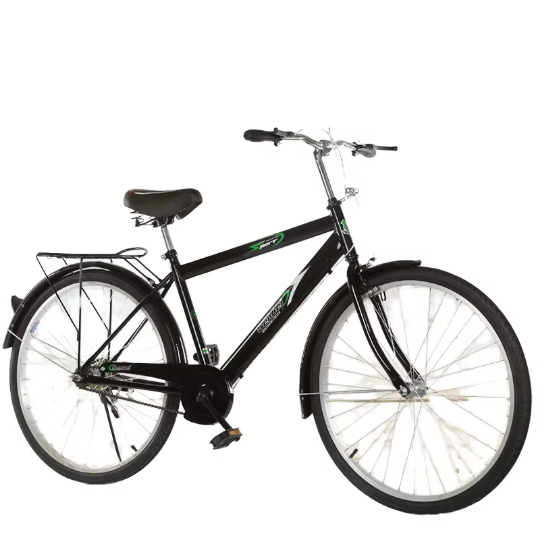
Selecting the right manufacturing partner for children's bicycles requires careful consideration of quality standards, customization capabilities, and industry expertise. Many brands face the crucial decision of whether to work with an OEM children bicycle manufacturer or pursue alternative manufacturing arrangements. The choice becomes even more critical when dealing with products designed for young riders, where safety, durability, and brand differentiation must align perfectly.
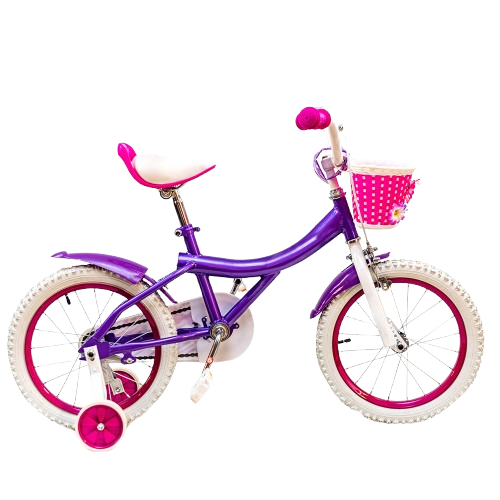
Working with an experienced oem children bicycle manufacturer offers distinct advantages that extend beyond simple cost considerations. These specialized partnerships enable brands to leverage manufacturing expertise, achieve consistent quality control, and access advanced production capabilities while maintaining focus on core business activities like marketing and distribution.
Manufacturing Expertise and Specialized Knowledge
Deep Understanding of Children's Bicycle Requirements
An OEM children bicycle manufacturer brings years of specialized knowledge in designing and producing bicycles specifically for young riders. This expertise encompasses understanding the unique biomechanics of children, age-appropriate sizing standards, and developmental considerations that affect bicycle design. Professional manufacturers stay current with international safety regulations, material specifications, and testing protocols that ensure every bicycle meets strict quality benchmarks.
The manufacturing process for children's bicycles involves numerous technical considerations that differ significantly from adult bicycle production. Frame geometry must accommodate shorter limbs and different proportions, while component selection requires materials that balance durability with appropriate weight distribution. An experienced OEM children bicycle manufacturer understands these nuances and implements them consistently across production runs.
Quality assurance protocols in specialized children's bicycle manufacturing extend beyond standard industry practices. These manufacturers implement rigorous testing procedures that evaluate frame strength, component reliability, and overall safety performance under conditions that simulate real-world usage by young riders. Such comprehensive quality control measures would be challenging and expensive for brands to develop internally.
Advanced Production Capabilities and Technology
Professional OEM children bicycle manufacturers invest heavily in modern production equipment, automated assembly systems, and precision tooling designed specifically for children's bicycle components. These technological advantages enable consistent quality output, efficient production timelines, and the ability to maintain tight tolerances across all manufactured components.
The integration of computer-aided design systems and advanced manufacturing techniques allows these manufacturers to optimize frame geometry, test component interactions, and simulate performance characteristics before physical production begins. This technological sophistication reduces development time, minimizes costly design iterations, and ensures that final products meet both performance and safety requirements.
Production scalability represents another significant advantage of working with an established OEM children bicycle manufacturer. These facilities maintain the flexibility to adjust production volumes based on seasonal demand patterns, market fluctuations, and promotional campaigns while maintaining consistent quality standards throughout varying production scales.
Cost Efficiency and Financial Benefits
Reduced Capital Investment Requirements
Partnering with an OEM children bicycle manufacturer eliminates the substantial capital investments required to establish in-house manufacturing capabilities. Setting up bicycle production facilities involves significant expenses for specialized equipment, tooling, quality control systems, and facility infrastructure. These upfront costs can be prohibitive for many brands, particularly those entering the children's bicycle market or expanding their product lines.
The financial benefits extend beyond initial capital savings to include ongoing operational efficiencies. Brands avoid the complexities of managing manufacturing workflows, maintaining production equipment, and dealing with supply chain logistics for raw materials and components. This arrangement allows companies to allocate financial resources toward brand development, marketing initiatives, and customer relationship building.
Working with an OEM children bicycle manufacturer also provides predictable cost structures through established pricing models and volume-based agreements. These partnerships often include comprehensive services that encompass design assistance, prototype development, testing services, and final assembly, providing clear cost visibility and budget planning capabilities.
Economies of Scale and Purchasing Power
Established OEM children bicycle manufacturers leverage their production volumes to negotiate favorable pricing with component suppliers, raw material vendors, and specialized service providers. These economies of scale translate into cost advantages that individual brands would struggle to achieve independently, particularly for specialized components like child-specific brake systems, safety accessories, and age-appropriate gearing mechanisms.
The purchasing power of professional manufacturers extends to quality materials and premium components that might otherwise be cost-prohibitive for smaller production runs. Access to high-grade steel tubing, reliable bearing systems, and durable finishing materials becomes more affordable when sourced through established manufacturing relationships with proven suppliers.
Supply chain optimization represents another financial advantage of OEM partnerships. Experienced manufacturers maintain established relationships with multiple suppliers, reducing the risk of production delays and material shortages that could disrupt product availability and increase overall costs.
Customization and Brand Differentiation Opportunities
Flexible Design and Engineering Support
An experienced OEM children bicycle manufacturer provides comprehensive design and engineering support that enables brands to create unique products that stand out in competitive markets. This collaboration goes beyond simple color changes or basic graphics to include frame modifications, component selection, and feature integration that aligns with specific brand positioning and target market requirements.
The design process typically involves collaborative development sessions where brand requirements meet manufacturing expertise to create optimized product specifications. Professional manufacturers can suggest design improvements, recommend component upgrades, and identify opportunities for cost optimization while maintaining quality and safety standards.
Prototyping capabilities allow brands to evaluate design concepts, test market acceptance, and refine product specifications before committing to full production runs. This iterative development process reduces the risk of costly design errors and ensures that final products meet both brand expectations and market demands.
Quality Control and Consistency Standards
Professional OEM children bicycle manufacturers implement comprehensive quality control systems that ensure consistent product quality across all production batches. These systems include incoming material inspection, in-process quality checks, and final product testing that validates safety, performance, and durability specifications.
Documentation and traceability protocols provide brands with detailed quality reports, test results, and production records that support warranty claims, safety certifications, and regulatory compliance requirements. This level of documentation is particularly important for children's products, where safety standards and liability considerations demand thorough quality validation.
Continuous improvement processes within established manufacturing operations help identify opportunities for quality enhancement, cost reduction, and production efficiency improvements. Brands benefit from these ongoing optimization efforts without needing to invest in process improvement initiatives internally.
Supply Chain Management and Production Efficiency
Established Supplier Networks and Relationships
Professional OEM children bicycle manufacturers maintain extensive supplier networks developed over years of production experience. These relationships provide access to reliable component sources, competitive pricing structures, and priority allocation during periods of high demand or material shortages.
Supplier qualification processes ensure that all components meet quality standards, safety requirements, and performance specifications appropriate for children's bicycle applications. This comprehensive supplier management eliminates the time-consuming process of identifying, evaluating, and qualifying component suppliers that brands would need to undertake independently.
Risk mitigation strategies include maintaining multiple supplier sources for critical components, implementing quality agreements, and establishing contingency plans for supply disruptions. These protective measures help ensure consistent production schedules and product availability regardless of external supply chain challenges.
Production Planning and Logistics Coordination
Efficient production planning capabilities enable OEM children bicycle manufacturers to coordinate complex manufacturing schedules that balance multiple brand requirements, seasonal demand patterns, and resource allocation priorities. This expertise ensures optimal production efficiency and timely delivery of finished products.
Inventory management systems track raw materials, work-in-process components, and finished goods to maintain appropriate stock levels while minimizing carrying costs. These systems provide brands with production visibility, delivery tracking, and inventory status updates throughout the manufacturing process.
Logistics coordination includes packaging design, shipping arrangements, and distribution support that ensures products reach their intended destinations in optimal condition. Professional manufacturers often provide comprehensive logistics services that simplify the complexity of international shipping and customs clearance procedures.
FAQ
What safety certifications should I expect from an OEM children bicycle manufacturer?
A reputable OEM children bicycle manufacturer should provide internationally recognized safety certifications such as CPSC compliance for the US market, EN standards for European markets, and relevant ISO certifications. These manufacturers typically maintain testing facilities or partnerships with certified testing laboratories to ensure all products meet applicable safety standards before production release.
How does working with an OEM children bicycle manufacturer affect my brand's intellectual property rights?
Professional OEM partnerships include comprehensive intellectual property agreements that protect your brand's designs, specifications, and proprietary features. Reputable manufacturers respect client confidentiality and implement strict controls to prevent unauthorized use of your designs or specifications. Always ensure that contracts include clear intellectual property protection clauses and non-disclosure agreements.
What minimum order quantities can I expect when working with an OEM children bicycle manufacturer?
Minimum order quantities vary depending on the manufacturer's capabilities, customization requirements, and production efficiency considerations. Many established OEM children bicycle manufacturers offer flexible minimums ranging from 100 to 500 units for initial orders, with reduced minimums available for repeat orders or standard configurations. Custom designs and specialized features may require higher minimum quantities to justify tooling and setup costs.
How long does the typical development and production process take with an OEM children bicycle manufacturer?
The complete development and production timeline typically ranges from 8 to 16 weeks, depending on design complexity, customization requirements, and current production schedules. Initial design and prototyping phases usually require 2-4 weeks, followed by sample approval and refinement processes. Production scheduling and manufacturing typically require 6-12 weeks, with additional time needed for quality control testing and shipping arrangements.
Table of Contents
- Manufacturing Expertise and Specialized Knowledge
- Cost Efficiency and Financial Benefits
- Customization and Brand Differentiation Opportunities
- Supply Chain Management and Production Efficiency
-
FAQ
- What safety certifications should I expect from an OEM children bicycle manufacturer?
- How does working with an OEM children bicycle manufacturer affect my brand's intellectual property rights?
- What minimum order quantities can I expect when working with an OEM children bicycle manufacturer?
- How long does the typical development and production process take with an OEM children bicycle manufacturer?