
 EN
EN



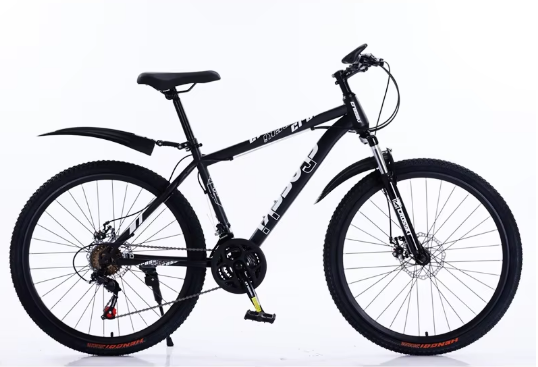
Understanding how an oem children bicycle manufacturer delivers custom designs requires examining the comprehensive manufacturing processes, design capabilities, and quality control systems that enable successful customization. The delivery of custom children bicycle designs involves sophisticated coordination between design teams, production facilities, and client specifications to create unique products that meet specific market requirements while maintaining safety standards and manufacturing efficiency.
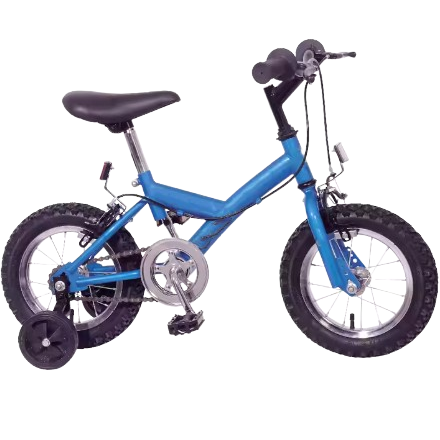
The custom design delivery process encompasses multiple stages from initial concept development through final product manufacturing, requiring an oem children bicycle manufacturer to maintain flexible production capabilities while ensuring consistent quality outcomes. This process involves specialized design software, rapid prototyping capabilities, material selection expertise, and manufacturing flexibility to accommodate varying client requirements across different market segments and geographic regions.
Design Development and Engineering Processes
Initial Design Consultation and Specification Development
The custom design delivery process begins when an oem children bicycle manufacturer establishes detailed specifications through comprehensive client consultation sessions. These sessions involve understanding target age groups, intended use cases, aesthetic preferences, performance requirements, and specific functional features that differentiate the custom design from standard product offerings. Design teams work closely with clients to translate conceptual ideas into technical specifications that can be manufactured efficiently while maintaining product safety and performance standards.
During specification development, the oem children bicycle manufacturer evaluates feasibility factors including material availability, manufacturing complexity, tooling requirements, and production volume considerations. This evaluation ensures that custom design proposals remain technically achievable while meeting client budget parameters and delivery timeline expectations. The specification phase typically involves multiple iterations as design concepts are refined based on manufacturing constraints and market requirements.
Advanced specification development includes detailed component selection, color scheme determination, graphic design elements, and specific performance characteristics that align with intended market positioning. The oem children bicycle manufacturer maintains extensive component libraries and supplier relationships to support diverse customization options while ensuring reliable material sourcing and quality consistency across production runs.
Computer-Aided Design and Virtual Prototyping
Modern oem children bicycle manufacturer facilities utilize sophisticated computer-aided design software to create detailed virtual prototypes that enable comprehensive design validation before physical production begins. These virtual prototyping systems allow design teams to evaluate structural integrity, weight distribution, ergonomic considerations, and aesthetic appeal through advanced simulation technologies that reduce development time and minimize costly design revisions.
Virtual prototyping capabilities enable the oem children bicycle manufacturer to conduct stress analysis, impact testing simulations, and performance modeling to ensure custom designs meet safety requirements and performance expectations. These digital tools facilitate rapid design iteration and enable real-time collaboration between design teams and clients throughout the development process, resulting in more accurate final designs and reduced development timelines.
The integration of virtual reality and augmented reality technologies allows clients to experience custom designs in immersive environments, providing better visualization of final products and enabling more informed design decisions. This technological approach enhances communication between the oem children bicycle manufacturer and clients while reducing misunderstandings and ensuring alignment between design expectations and manufacturing capabilities.
Manufacturing Flexibility and Production Capabilities
Modular Manufacturing Systems
Successful custom design delivery requires an oem children bicycle manufacturer to maintain modular manufacturing systems that can accommodate varying production requirements without significant setup changes or efficiency losses. These systems utilize flexible assembly lines, adaptable tooling configurations, and scalable production processes that enable seamless transitions between different custom design specifications while maintaining consistent quality standards and production efficiency.
Modular manufacturing approaches enable the oem children bicycle manufacturer to handle diverse order volumes ranging from small batch custom productions to larger scale manufacturing runs. This flexibility supports various client business models including limited edition releases, regional market customizations, and specialized product variants that require unique manufacturing approaches while maintaining cost-effective production methods.
Advanced manufacturing flexibility includes automated component handling systems, programmable assembly equipment, and intelligent quality control systems that adapt to different custom design requirements. These technologies enable the oem children bicycle manufacturer to maintain high production standards while accommodating the increased complexity associated with custom design manufacturing.
Material Selection and Sourcing Capabilities
Custom design delivery requires an oem children bicycle manufacturer to maintain extensive material sourcing capabilities that support diverse customization requirements while ensuring consistent quality and reliable supply availability. Material selection expertise encompasses frame materials, component specifications, finishing options, and specialized accessories that enable comprehensive customization while maintaining structural integrity and safety compliance.
The material sourcing infrastructure includes established relationships with multiple suppliers across different material categories, enabling the oem children bicycle manufacturer to access specialized materials, unique color options, and premium components that support high-end customization requirements. This supplier diversity ensures production continuity even when specific materials experience supply chain disruptions or availability constraints.
Quality assurance in material selection involves comprehensive testing protocols that evaluate material performance, durability, and safety characteristics across different environmental conditions and usage scenarios. The oem children bicycle manufacturer maintains detailed material performance databases that support informed selection decisions and ensure custom designs meet or exceed industry safety standards and performance expectations.
Quality Control and Testing Procedures
Custom Design Validation Processes
Quality control for custom designs requires an oem children bicycle manufacturer to implement specialized validation processes that ensure each unique design meets safety standards and performance requirements while accommodating the inherent variability associated with customization. These validation processes include comprehensive testing protocols that evaluate structural integrity, safety compliance, and performance characteristics specific to each custom design configuration.
Custom design validation involves both standardized testing procedures and specialized evaluation methods that address unique design elements and performance characteristics. The oem children bicycle manufacturer maintains testing facilities equipped with advanced equipment for impact testing, fatigue analysis, and safety compliance verification that can accommodate diverse design specifications while maintaining consistent evaluation standards.
Documentation and certification processes ensure that custom designs meet regulatory requirements across different markets while providing clients with comprehensive quality assurance documentation. This documentation includes detailed test results, compliance certifications, and performance specifications that support market entry and regulatory approval in various geographic regions.
Production Quality Monitoring
Maintaining quality consistency during custom design production requires an oem children bicycle manufacturer to implement comprehensive monitoring systems that track quality metrics throughout the manufacturing process. These monitoring systems utilize statistical process control methods, real-time quality feedback systems, and automated inspection technologies that ensure custom designs maintain consistent quality standards despite production complexity variations.
Quality monitoring encompasses component inspection, assembly verification, and final product evaluation stages that collectively ensure custom designs meet specified requirements. The oem children bicycle manufacturer employs trained quality control personnel who understand the specific requirements associated with custom design production and can identify potential quality issues before they impact final product quality.
Advanced quality monitoring systems integrate with production management software to provide real-time visibility into quality performance and enable rapid response to quality deviations. This integration supports continuous improvement initiatives and helps the oem children bicycle manufacturer optimize production processes while maintaining high quality standards across diverse custom design requirements.
Client Collaboration and Project Management
Communication and Feedback Integration
Effective custom design delivery requires an oem children bicycle manufacturer to maintain robust communication systems that facilitate ongoing collaboration throughout the development and production process. These communication systems include regular progress updates, design review sessions, and feedback integration processes that ensure client requirements are accurately understood and implemented while maintaining project timelines and quality standards.
Client collaboration involves structured feedback collection and integration processes that enable design refinements and specification adjustments while minimizing production delays and cost impacts. The oem children bicycle manufacturer utilizes project management platforms that provide transparent visibility into project status and enable efficient communication between design teams, production personnel, and client representatives.
Advanced collaboration tools include digital approval workflows, real-time design sharing capabilities, and integrated project tracking systems that streamline communication and reduce the potential for misunderstandings or specification errors. These tools enable the oem children bicycle manufacturer to maintain high levels of client satisfaction while ensuring project efficiency and quality outcomes.
Timeline Management and Delivery Coordination
Custom design projects require sophisticated timeline management capabilities that account for design development phases, material procurement requirements, production scheduling, and quality validation processes. An experienced oem children bicycle manufacturer maintains detailed project planning systems that coordinate these various elements while providing realistic delivery estimates and maintaining schedule adherence throughout project execution.
Timeline management involves balancing custom design complexity with production capacity and material availability to ensure delivery commitments can be met without compromising quality standards. The oem children bicycle manufacturer utilizes advanced scheduling software that integrates design development timelines with production planning systems to optimize resource utilization and minimize project delays.
Delivery coordination encompasses logistics planning, packaging customization, and shipment tracking systems that ensure custom designs reach clients in optimal condition and within specified timeframes. This comprehensive approach to delivery management supports client satisfaction and enables successful market introduction of custom bicycle designs.
FAQ
What factors determine the timeline for custom children bicycle design delivery?
Custom design delivery timelines depend on design complexity, material availability, production volume, and testing requirements. Simple customizations like color changes typically require 2-3 weeks, while complex structural modifications may need 6-8 weeks. An experienced oem children bicycle manufacturer provides detailed timeline estimates based on specific project requirements and maintains transparent communication about potential delays or accelerated delivery options.
How do manufacturers ensure custom designs meet safety standards?
Safety compliance for custom designs involves comprehensive testing protocols that evaluate structural integrity, impact resistance, and component durability. The oem children bicycle manufacturer conducts standardized safety tests including drop tests, fatigue testing, and stability evaluations while documenting results for regulatory compliance. Custom designs must meet or exceed industry safety standards regardless of aesthetic or functional modifications.
What minimum order quantities apply to custom children bicycle designs?
Minimum order quantities vary based on customization complexity and tooling requirements. Simple customizations may have minimums of 50-100 units, while complex designs requiring specialized tooling typically need 200-500 units. An established oem children bicycle manufacturer works with clients to optimize order quantities that balance customization costs with market requirements while maintaining production efficiency.
Can manufacturers accommodate specific regulatory requirements for different markets?
Yes, experienced manufacturers maintain expertise in various international safety standards and regulatory requirements. The oem children bicycle manufacturer adapts custom designs to meet specific market requirements including European EN standards, American CPSC regulations, or other regional compliance requirements. This includes documentation, labeling, and testing modifications necessary for successful market entry in target regions.
Table of Contents
- Design Development and Engineering Processes
- Manufacturing Flexibility and Production Capabilities
- Quality Control and Testing Procedures
- Client Collaboration and Project Management
-
FAQ
- What factors determine the timeline for custom children bicycle design delivery?
- How do manufacturers ensure custom designs meet safety standards?
- What minimum order quantities apply to custom children bicycle designs?
- Can manufacturers accommodate specific regulatory requirements for different markets?