Premium Mountain Bike Manufacturing: Advanced Technology Meets Sustainable Production

Get a Free Quote

Our representative will contact you soon.
Name
Company Name
Email
Mobile
Products of interest
Expected procurement quantity
Whether to customize
Do you have any industry experience
Message
0/1000

mountain bike manufacturer

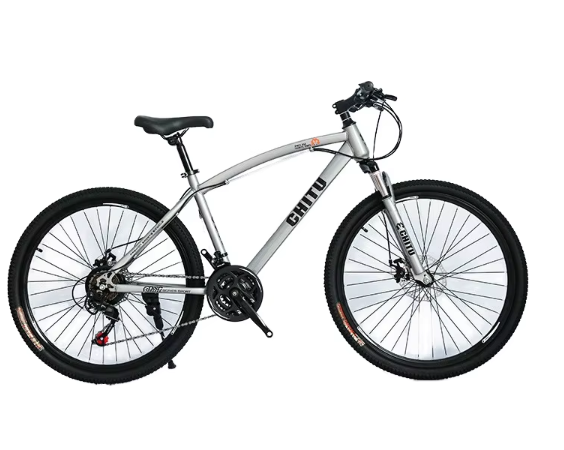
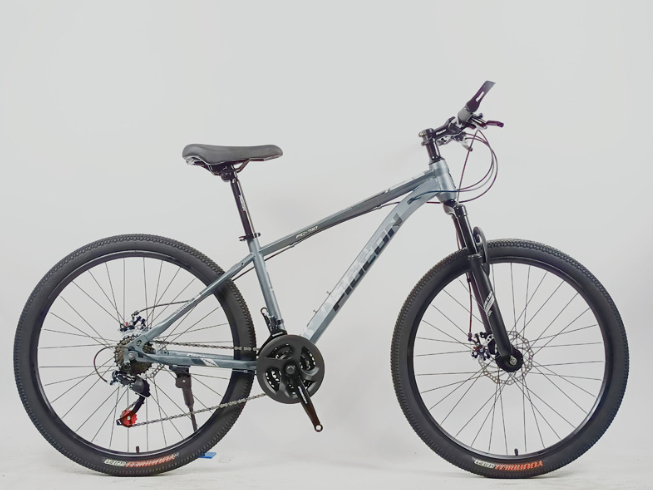
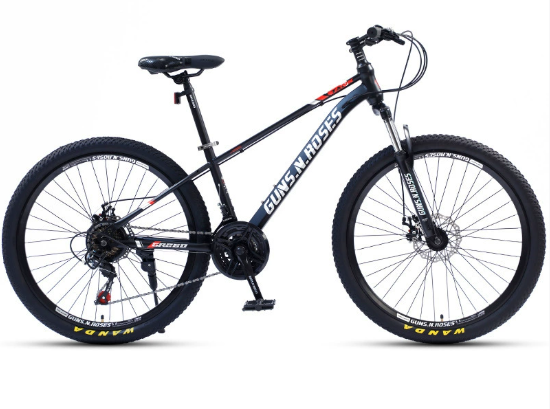
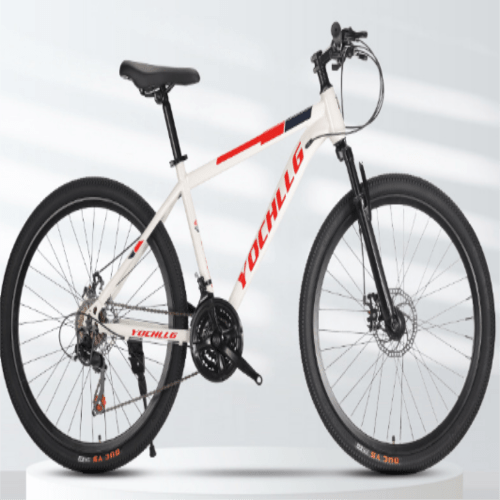
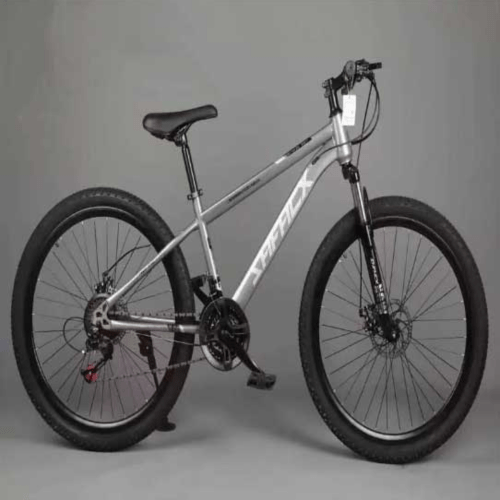
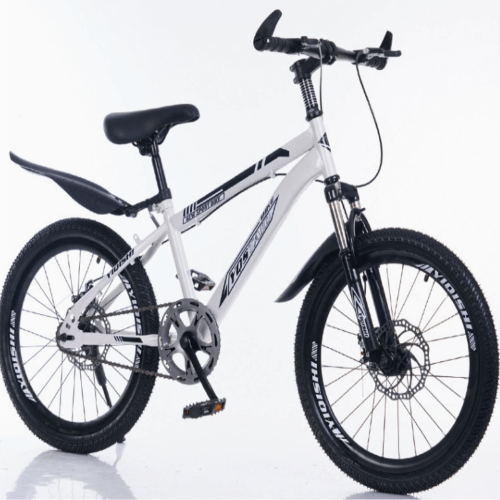
A mountain bike manufacturer represents a sophisticated blend of engineering excellence and outdoor recreation expertise, specializing in creating high-performance bicycles designed for off-road adventures. These facilities incorporate state-of-the-art production lines equipped with precision manufacturing technologies, including automated welding systems, advanced carbon fiber molding processes, and quality control stations. The manufacturer employs expert frame designers, materials scientists, and mechanical engineers who work collaboratively to develop innovative bike geometries and component integration. Their facilities typically feature dedicated testing laboratories where prototypes undergo rigorous stress analysis, durability testing, and performance evaluation. The manufacturing process encompasses everything from raw material selection and frame construction to final assembly and quality assurance. Modern mountain bike manufacturers utilize computer-aided design (CAD) software for precise frame modeling, while implementing lean manufacturing principles to optimize production efficiency. They maintain partnerships with component suppliers to ensure seamless integration of drivetrains, suspension systems, and other critical parts. Additionally, these facilities often include research and development centers focused on advancing bike technology through material innovation and design evolution.

New Products

Mountain bike manufacturers offer numerous compelling advantages that directly benefit consumers seeking high-quality off-road bicycles. First, they provide comprehensive quality control throughout the entire production process, ensuring each bike meets rigorous safety and performance standards. The manufacturers maintain direct relationships with premium component suppliers, allowing them to negotiate better prices and pass these savings to customers while guaranteeing authentic parts. Their specialized knowledge in frame geometry and materials science results in bikes that offer optimal handling characteristics and durability for various riding conditions. In-house testing facilities enable manufacturers to validate designs before production, reducing the likelihood of defects and ensuring consistent performance. The vertical integration of manufacturing processes allows for quick adaptations to market demands and emerging technologies. Manufacturers often provide extensive warranty coverage, demonstrating confidence in their products and offering peace of mind to customers. Their established dealer networks ensure professional assembly and after-sales support, while direct-to-consumer options can offer significant cost savings. The manufacturers' commitment to research and development leads to continuous improvements in bike technology, benefiting riders through enhanced performance and reliability. They also maintain strict environmental and ethical manufacturing standards, appealing to environmentally conscious consumers.

Practical Tips

The difference between urban bicycles and road bicycles

18

Jul

The difference between urban bicycles and road bicycles

View More
The children's balance car manufacturer introduces the features of balance cars

18

Jul

The children's balance car manufacturer introduces the features of balance cars

View More
A guide for choosing a good bicycle for yourself

18

Jul

A guide for choosing a good bicycle for yourself

View More

Get a Free Quote

Our representative will contact you soon.
Name
Company Name
Email
Mobile
Products of interest
Expected procurement quantity
Whether to customize
Do you have any industry experience
Message
0/1000

mountain bike manufacturer

Advanced Manufacturing Technology

Advanced Manufacturing Technology

Modern mountain bike manufacturers employ cutting-edge manufacturing technologies that set new industry standards. Their facilities feature sophisticated robotics and automation systems for precise frame alignment and consistent weld quality. Computer-controlled carbon fiber layup processes ensure optimal fiber orientation and resin distribution, resulting in frames that achieve the perfect balance of strength, weight, and ride characteristics. The implementation of Industry 4.0 principles allows for real-time monitoring of production parameters, enabling immediate quality adjustments and maintaining exceptional consistency across production runs. These advanced manufacturing capabilities enable the creation of complex frame designs that would be impossible to produce using traditional methods, ultimately delivering superior performance to riders.
Comprehensive Quality Assurance

Comprehensive Quality Assurance

Quality assurance in mountain bike manufacturing encompasses multiple layers of inspection and testing throughout the production process. Each frame undergoes detailed dimensional verification using coordinate measuring machines (CMM) to ensure geometric accuracy. Non-destructive testing methods, including ultrasonic and X-ray inspections, verify internal structure integrity, particularly crucial for carbon fiber frames. Every completed bicycle undergoes a systematic check of all component installations, brake systems, and drivetrain operation. The manufacturers maintain dedicated testing facilities where random production samples undergo fatigue testing, impact resistance evaluation, and real-world simulation trials. This comprehensive approach to quality control ensures exceptional reliability and safety for every bike that leaves the facility.
Sustainable Manufacturing Practices

Sustainable Manufacturing Practices

Leading mountain bike manufacturers have embraced sustainable manufacturing practices that minimize environmental impact while maintaining product excellence. Their facilities utilize renewable energy sources, implement water recycling systems, and employ efficient waste management programs. Manufacturing processes are optimized to reduce material waste, with scraps being recycled or repurposed whenever possible. The use of eco-friendly finishing processes and water-based paints reduces volatile organic compound emissions. These manufacturers also prioritize responsible material sourcing, working with suppliers who maintain sustainable practices and ethical labor standards. The implementation of lean manufacturing principles not only improves efficiency but also reduces energy consumption and waste generation, demonstrating a commitment to environmental stewardship.

Get a Free Quote

Our representative will contact you soon.
Name
Company Name
Email
Mobile
Products of interest
Expected procurement quantity
Whether to customize
Do you have any industry experience
Message
0/1000