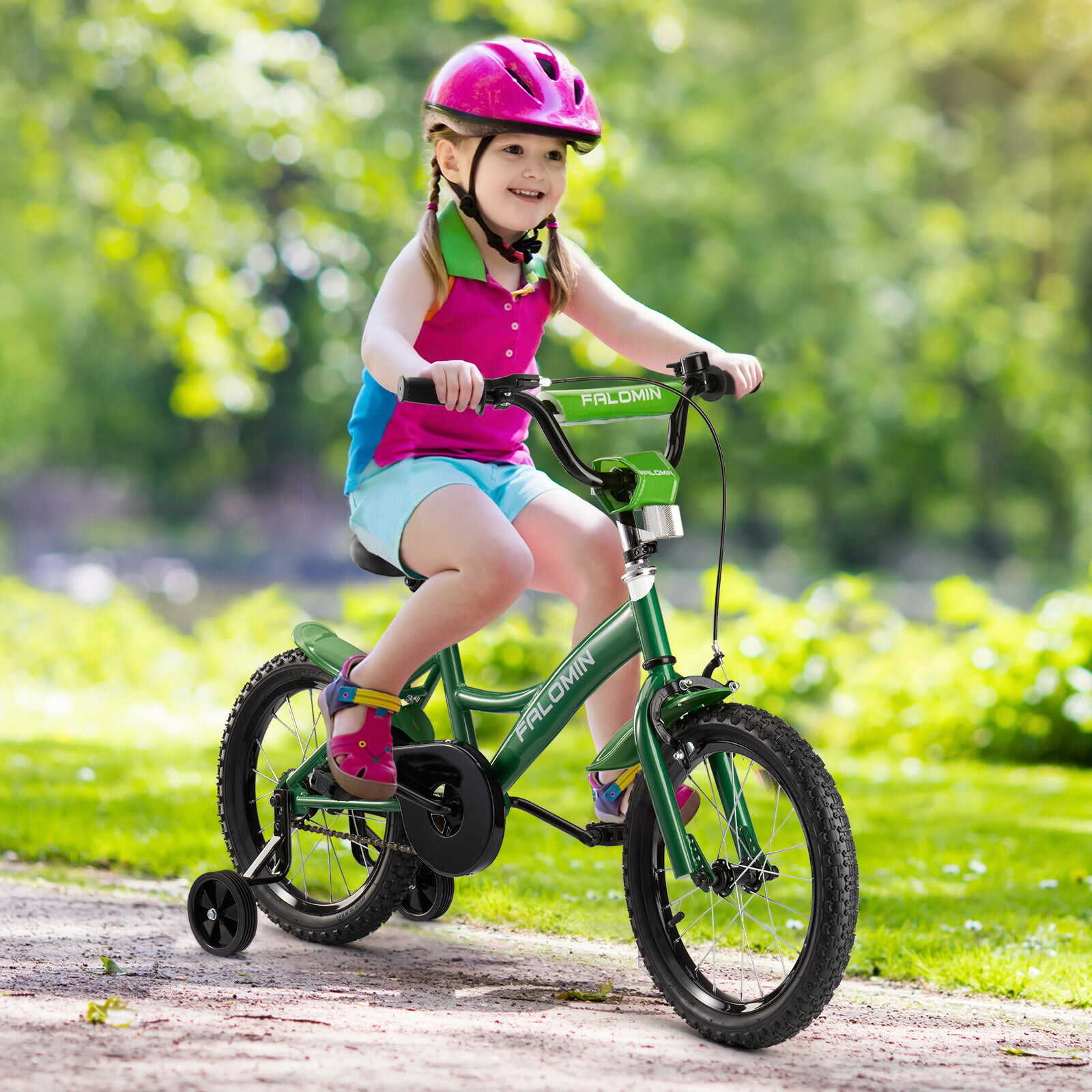
City Bike Prices: Comprehensive Guide to Urban Cycling Investments

Get a Free Quote

Our representative will contact you soon.
Name
Company Name
Email
Mobile
Products of interest
Expected procurement quantity
Whether to customize
Do you have any industry experience
Message
0/1000

city bike price

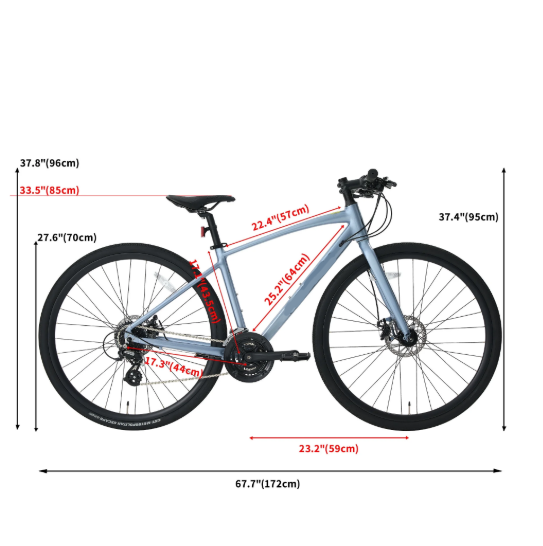
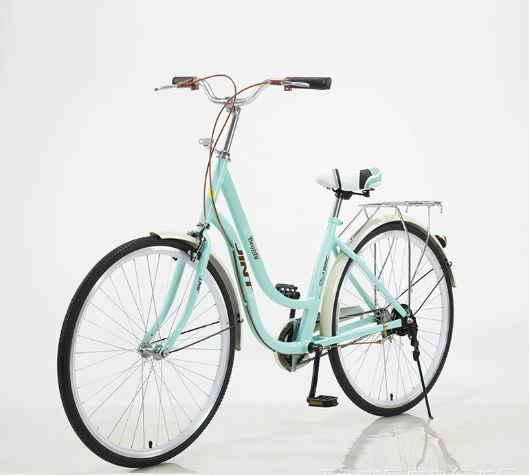
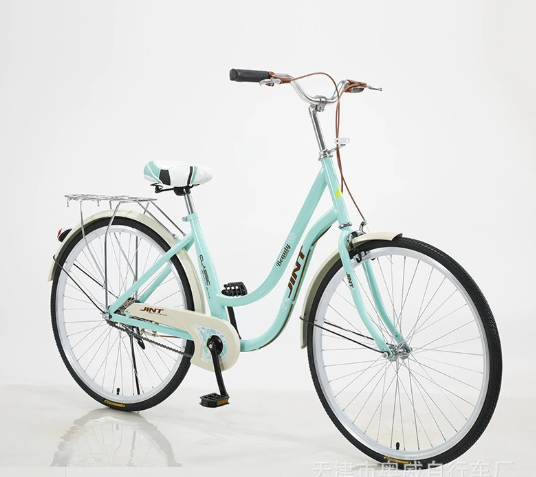
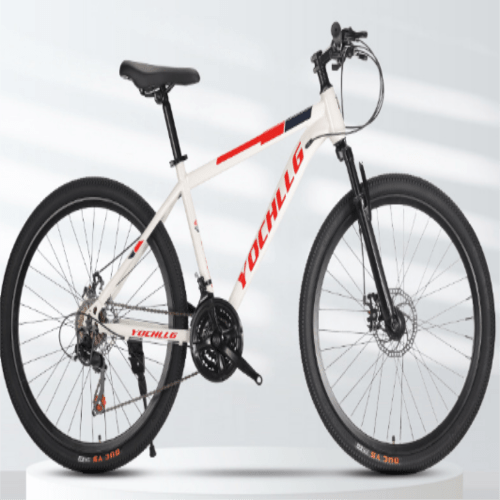
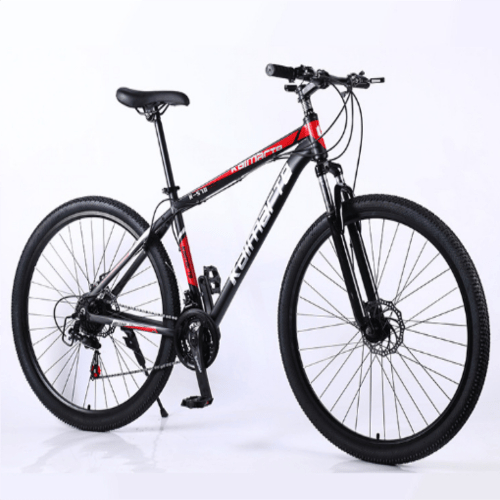
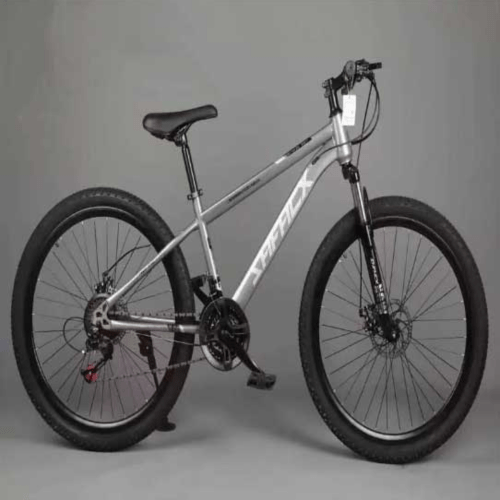
City bike prices represent a crucial consideration for urban commuters seeking reliable transportation. These bicycles typically range from $300 to $2000, reflecting various quality levels, features, and brands. Entry-level city bikes offer basic functionality with sturdy frames, comfortable seating, and essential accessories like fenders and chain guards. Mid-range options, priced between $500 and $1000, incorporate enhanced components such as internal gear hubs, puncture-resistant tires, and integrated lighting systems. Premium city bikes feature advanced materials like lightweight aluminum or chromoly steel frames, sophisticated gear systems, and premium components. The price spectrum accommodates different budgets while ensuring durability and functionality for daily urban cycling. Modern city bikes often include technological features like GPS tracking capabilities, smart locks, and battery-powered assistance systems, which can influence the final price. Manufacturers factor in research and development costs, material quality, assembly precision, and brand reputation when determining prices. Understanding these price variations helps consumers make informed decisions based on their specific needs, riding conditions, and long-term value expectations.

New Products

The diverse city bike price ranges offer numerous advantages to consumers navigating the urban mobility market. Budget-friendly options provide accessible entry points for new cyclists while maintaining essential quality standards. The price segmentation ensures that buyers can find models matching their specific requirements without overspending on unnecessary features. Mid-range prices typically represent the sweet spot, offering optimal value with reliable components and practical features for daily use. Higher-priced models provide advanced technology integration, superior comfort, and enhanced durability, justifying their premium positioning. The competitive market drives manufacturers to continuously improve quality while maintaining reasonable price points. This pricing structure enables consumers to invest in bikes that align with their commitment to cycling, from casual riders to dedicated commuters. The various price tiers also reflect different warranty coverages, after-sales support, and maintenance packages. Financing options and seasonal discounts make quality city bikes more accessible to broader consumer segments. The relationship between price and value becomes apparent through reduced transportation costs, improved health benefits, and environmental impact. Additionally, the resale value of quality city bikes remains relatively stable, making them a sound investment for budget-conscious consumers. The transparent pricing structure helps buyers understand the correlation between cost and features, enabling informed purchase decisions.

Practical Tips

The difference between urban bicycles and road bicycles

18

Jul

The difference between urban bicycles and road bicycles

View More
The children's balance car manufacturer introduces the features of balance cars

18

Jul

The children's balance car manufacturer introduces the features of balance cars

View More
A guide for choosing a good bicycle for yourself

18

Jul

A guide for choosing a good bicycle for yourself

View More

Get a Free Quote

Our representative will contact you soon.
Name
Company Name
Email
Mobile
Products of interest
Expected procurement quantity
Whether to customize
Do you have any industry experience
Message
0/1000

city bike price

Cost-Effective Transportation Solution

Cost-Effective Transportation Solution

City bike prices represent a significant value proposition when compared to other urban transportation methods. The initial investment in a quality city bike typically pays for itself within months through savings on public transportation or car-related expenses. A well-chosen bike at the right price point offers years of reliable service with minimal maintenance costs. The pricing structure considers the total cost of ownership, including basic maintenance requirements and potential repair needs. This transportation solution becomes particularly cost-effective when factoring in the elimination of fuel costs, parking fees, and public transit passes. Additionally, the health benefits derived from regular cycling can lead to reduced healthcare expenses over time, adding to the overall value proposition. The durability of modern city bikes, especially in mid to higher price ranges, ensures a longer service life, effectively reducing the per-year cost of ownership.
Price-Quality Relationship

Price-Quality Relationship

The correlation between price and quality in city bikes demonstrates clear value progression across different price points. Entry-level models provide essential features and reliable performance for casual riders, while mid-range options offer enhanced durability and comfort features justifying their higher price tags. Premium models showcase advanced materials, superior craftsmanship, and innovative technologies that contribute to their elevated pricing. The quality of components, including brakes, gears, and frames, directly influences the price and overall riding experience. Higher-priced models often incorporate better warranty coverage and superior after-sales support, adding value beyond the physical product. The investment in quality components at higher price points typically results in reduced maintenance requirements and longer service life.
Market Competitiveness and Innovation

Market Competitiveness and Innovation

The competitive nature of the city bike market drives continuous innovation while maintaining reasonable price points across all segments. Manufacturers must balance feature integration with cost efficiency to remain competitive, resulting in better value for consumers. The price competition encourages brands to develop unique selling propositions while maintaining quality standards. This market dynamic leads to regular introduction of improved technologies and features at various price points, benefiting consumers across all segments. The presence of multiple brands and models at each price point ensures consumers have choices that match their specific needs and preferences. The competitive environment also drives improvements in manufacturing efficiency, allowing companies to offer better features at lower price points over time.

Get a Free Quote

Our representative will contact you soon.
Name
Company Name
Email
Mobile
Products of interest
Expected procurement quantity
Whether to customize
Do you have any industry experience
Message
0/1000