Balance Bike with Footrest: Advanced Learning System for Children's Cycling Development

Get a Free Quote

Our representative will contact you soon.
Name
Company Name
Email
Mobile
Products of interest
Expected procurement quantity
Whether to customize
Do you have any industry experience
Message
0/1000

balance bike with footrest

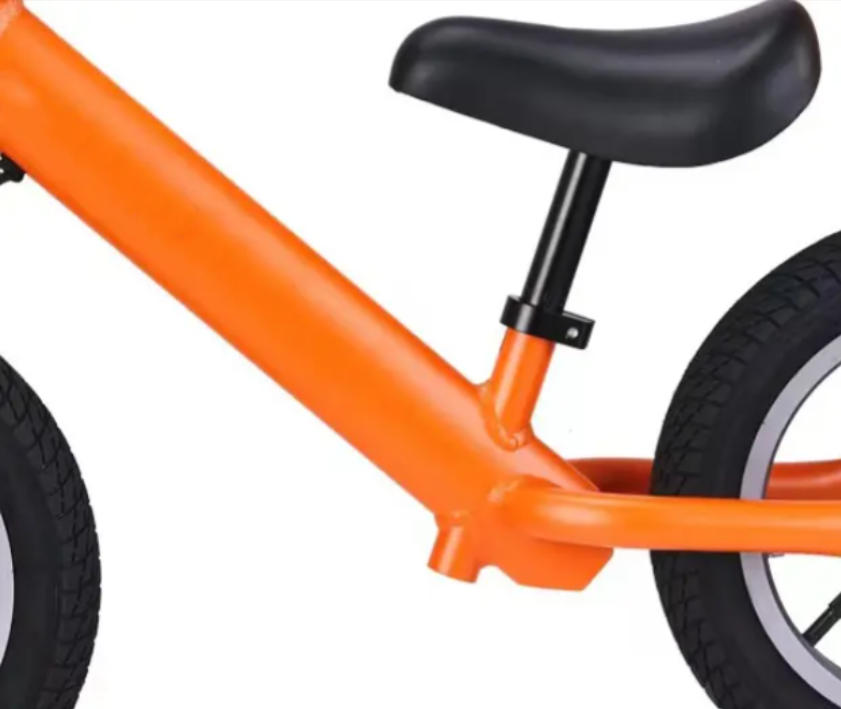
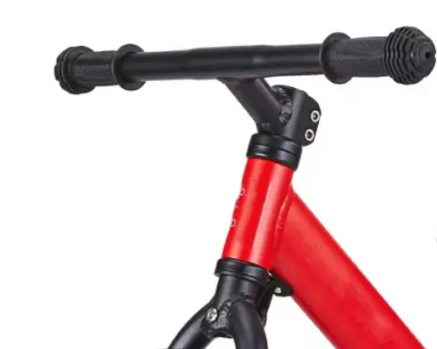
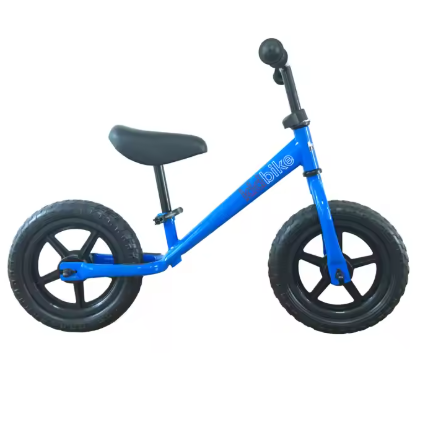
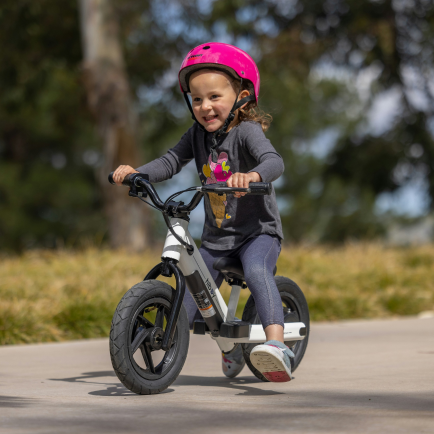
A balance bike with footrest represents an innovative evolution in children's learn-to-ride equipment, combining safety, comfort, and developmental benefits in one comprehensive package. This specialized bike features a sturdy frame, typically constructed from lightweight materials such as aluminum or high-grade steel, equipped with a strategically positioned footrest that enables young riders to practice balancing while coasting. The footrest integration allows children to naturally position their feet when gliding, helping them develop proper balance and coordination skills essential for future cycling. The design typically includes adjustable seat heights to accommodate growing children, puncture-resistant tires for durability, and ergonomic handlebars for optimal control. Safety features include rounded edges, non-slip grips, and limited steering angles to prevent overturning. The footrest component is particularly significant as it serves as a transitional element between traditional balance bikes and pedal bikes, teaching children to lift their feet and maintain balance while in motion. These bikes are suitable for children typically ranging from 18 months to 5 years old, offering a progressive learning platform that builds confidence and physical coordination in a safe, controlled manner.

New Products

The balance bike with footrest offers numerous compelling advantages that make it an exceptional choice for young riders beginning their cycling journey. First and foremost, the integrated footrest design provides a natural progression in learning to ride, allowing children to transition smoothly from walking to gliding with their feet elevated. This feature significantly accelerates the development of balance and coordination skills, as riders can experiment with different positions while maintaining a sense of security. The footrest also teaches proper foot positioning, which becomes crucial when transitioning to a pedal bike later. Safety is enhanced through the bike's low center of gravity and the ability to quickly plant feet when needed, giving both parents and children peace of mind during the learning process. The design promotes proper posture and strengthens core muscles, contributing to overall physical development. Additionally, these bikes are typically constructed with durability in mind, featuring weather-resistant materials and robust components that can withstand regular use and minor impacts. The adjustability features ensure long-term value as the bike grows with the child, while the lightweight construction makes it easy for young riders to maneuver and for parents to transport. The absence of complex mechanisms like pedals and chains also means minimal maintenance requirements and reduced risk of mechanical failures, making it a practical and cost-effective investment in a child's developmental journey.

Practical Tips

The difference between urban bicycles and road bicycles

18

Jul

The difference between urban bicycles and road bicycles

View More
The children's balance car manufacturer introduces the features of balance cars

18

Jul

The children's balance car manufacturer introduces the features of balance cars

View More
A guide for choosing a good bicycle for yourself

18

Jul

A guide for choosing a good bicycle for yourself

View More

Get a Free Quote

Our representative will contact you soon.
Name
Company Name
Email
Mobile
Products of interest
Expected procurement quantity
Whether to customize
Do you have any industry experience
Message
0/1000

balance bike with footrest

Advanced Safety Design and Ergonomic Features

Advanced Safety Design and Ergonomic Features

The balance bike with footrest incorporates sophisticated safety features that set it apart in the children's bike market. The frame geometry is specifically engineered to maintain stability at various speeds, with a low center of gravity that reduces the risk of tipping. The footrest itself is strategically positioned to maintain optimal weight distribution, ensuring that children can easily transition between walking and gliding modes without compromising balance. The handlebars feature a limited turning radius to prevent sudden directional changes that could lead to accidents, while ergonomic grips provide secure hand positioning for enhanced control. Safety is further enhanced by the inclusion of rounded edges throughout the frame and components, minimizing injury risk from accidental contact. The bike's construction typically includes impact-resistant materials that can withstand the rigors of daily use while maintaining structural integrity.
Progressive Learning System Integration

Progressive Learning System Integration

The integration of a footrest in the balance bike design represents a sophisticated approach to early cycling education. This feature creates a three-stage learning progression that naturally guides children through the fundamentals of cycling. Initially, children can walk with the bike while learning basic steering and balance. As confidence grows, they begin to experiment with gliding, using the footrest for short periods while maintaining momentum. Finally, they can achieve extended gliding sessions with feet properly positioned on the footrest, developing the dynamic balance skills essential for future cycling success. This systematic progression helps children build neural pathways and muscle memory in a natural, unforced manner, leading to faster skill development and greater confidence in their abilities.
Adaptable Growth-Friendly Design

Adaptable Growth-Friendly Design

The balance bike with footrest incorporates innovative design elements that ensure long-term usability and value. The frame features multiple adjustment points that accommodate children's rapid growth while maintaining optimal riding position and ergonomics. The seat height can be modified through a tool-free adjustment system, allowing for quick changes as needed. The footrest position is carefully calculated to remain effective throughout various growth stages, providing consistent functionality as the child develops. The handlebar assembly often includes height and reach adjustments, ensuring proper upper body positioning regardless of the child's size. This adaptability extends the bike's useful life significantly, making it a cost-effective solution that can serve multiple children or provide years of use for a single child through various developmental stages.

Get a Free Quote

Our representative will contact you soon.
Name
Company Name
Email
Mobile
Products of interest
Expected procurement quantity
Whether to customize
Do you have any industry experience
Message
0/1000