
 EN
EN



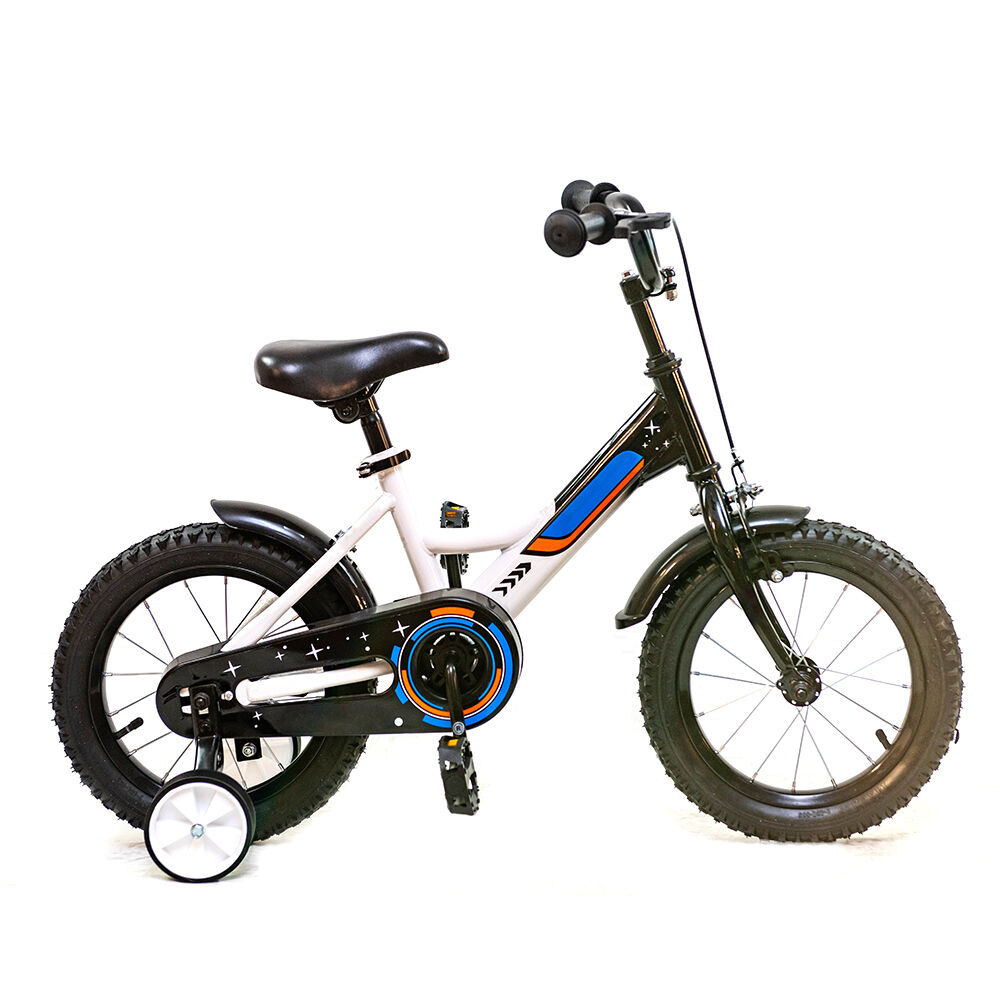
Selecting the right kids bike factory represents one of the most critical decisions facing bicycle retailers today. The children's bicycle market demands exceptional quality standards, competitive pricing, and reliable supply chain management, making factory selection a strategic business decision rather than a simple procurement choice. Retailers must evaluate multiple factors beyond basic manufacturing capabilities to ensure their chosen kids bike factory can support long-term business growth and customer satisfaction.
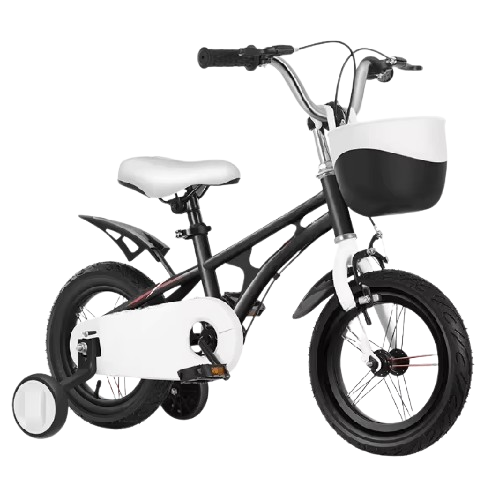
The complexities of children's bicycle manufacturing extend far beyond standard adult bike production requirements. A superior kids bike factory must demonstrate expertise in age-appropriate design, safety compliance across multiple markets, and the flexibility to accommodate seasonal demand fluctuations. Understanding what separates exceptional manufacturers from average ones enables retailers to make informed decisions that protect their brand reputation and drive profitability in the competitive children's bicycle segment.
Manufacturing Excellence and Quality Standards
Production Capabilities and Technology Integration
A distinguished kids bike factory demonstrates manufacturing excellence through advanced production capabilities and modern technology integration. The factory floor should feature automated welding systems, precision cutting equipment, and computerized quality control stations that ensure consistent product output. These technological investments directly translate to reduced production variability and enhanced product reliability, critical factors when serving the children's bicycle market where safety cannot be compromised.
Modern kids bike factory operations incorporate lean manufacturing principles that optimize workflow efficiency while maintaining strict quality standards. Production lines specifically designed for children's bicycles require specialized tooling and fixtures that accommodate smaller frame geometries and unique component specifications. Factories that have invested in dedicated children's bike production lines typically demonstrate superior understanding of market requirements and manufacturing best practices.
The integration of digital quality management systems distinguishes professional manufacturing operations from basic production facilities. A reputable kids bike factory employs real-time monitoring systems that track production metrics, identify potential quality issues before they affect finished products, and maintain comprehensive traceability records. This technological approach ensures consistent product quality while providing retailers with confidence in their supply chain reliability.
Quality Control Systems and Testing Protocols
Comprehensive quality control systems form the foundation of any reliable kids bike factory operation. These systems must encompass incoming material inspection, in-process quality checks, and final product testing protocols that exceed industry standards. The factory should maintain dedicated testing laboratories equipped with fatigue testing machines, impact testing equipment, and chemical analysis capabilities to verify material specifications and component performance.
Advanced kids bike factory facilities implement statistical process control methodologies that continuously monitor production quality and identify trends before they impact product consistency. Quality control teams should be trained specifically in children's bicycle safety requirements and maintain current certifications relevant to international safety standards. This expertise ensures that every bicycle leaving the factory meets or exceeds the safety expectations parents demand for their children.
The testing protocols employed by a professional kids bike factory should include accelerated aging tests, component durability assessments, and comprehensive safety evaluations. These testing procedures verify that bicycles can withstand typical use patterns while maintaining structural integrity and safety performance throughout their expected service life. Retailers benefit from this rigorous approach through reduced warranty claims and enhanced customer satisfaction.
Safety Compliance and Regulatory Expertise
International Safety Standards Adherence
Regulatory compliance expertise represents a fundamental requirement for any kids bike factory serving international markets. Children's bicycles must meet stringent safety standards that vary across different countries and regions, requiring manufacturers to maintain current knowledge of evolving regulations. A competent factory demonstrates compliance with standards such as CPSC in the United States, EN 71 in Europe, and similar safety requirements in other target markets.
The complexity of international safety compliance extends beyond basic testing requirements to include documentation, labeling, and traceability systems. A professional kids bike factory maintains detailed compliance records, provides comprehensive test reports, and ensures proper product marking that meets regulatory requirements. This attention to regulatory detail protects retailers from potential liability issues while enabling market access across multiple jurisdictions.
Ongoing regulatory monitoring capabilities distinguish exceptional manufacturers from those that simply meet current requirements. The regulatory landscape for children's products continues to evolve, and a forward-thinking kids bike factory proactively adapts to regulatory changes rather than reactively addressing compliance issues after they arise. This proactive approach ensures uninterrupted product availability and reduces the risk of costly product recalls.
Design Safety and Age-Appropriate Engineering
Children's bicycle design requires specialized engineering expertise that addresses unique safety considerations and developmental factors. A qualified kids bike factory employs design teams with specific experience in child anthropometry, motor skill development, and age-appropriate bicycle geometry. These design considerations directly impact bicycle stability, handling characteristics, and overall safety performance for young riders.
The engineering approach employed by a competent kids bike factory incorporates safety features that extend beyond basic structural requirements. These features include chain guards to prevent clothing entanglement, enclosed brake cables to reduce injury risk, and rounded edges throughout the bicycle design. The factory should demonstrate understanding that children's bicycles require different engineering priorities compared to adult bicycle designs.
Advanced safety engineering capabilities include the ability to conduct child-specific testing protocols that simulate actual usage patterns. A professional kids bike factory maintains testing procedures that account for the unpredictable nature of children's bicycle use, including impact scenarios and abuse conditions that exceed standard testing requirements. This comprehensive approach to safety engineering provides retailers with products that consistently perform safely under real-world conditions.
Supply Chain Management and Production Flexibility
Inventory Management and Demand Planning
Effective supply chain management capabilities represent a critical differentiator among kids bike factory options. The children's bicycle market exhibits pronounced seasonal demand patterns, with peak sales periods requiring factories to manage inventory levels efficiently while maintaining rapid response capabilities. A competent factory demonstrates sophisticated demand planning systems that anticipate market requirements and adjust production schedules accordingly.
The complexity of children's bicycle inventory management extends beyond simple volume planning to include size mix optimization and color assortment management. A professional kids bike factory maintains detailed historical sales data analysis capabilities and works collaboratively with retailers to optimize inventory levels across multiple product variants. This analytical approach reduces inventory carrying costs while ensuring product availability during peak demand periods.
Advanced inventory management systems employed by leading kids bike factory operations incorporate real-time visibility tools that enable retailers to monitor production progress and adjust orders based on changing market conditions. These systems provide transparency throughout the supply chain while enabling proactive communication about potential delivery issues or capacity constraints.
Scalability and Production Adaptability
Production scalability capabilities determine a kids bike factory's ability to support retailer growth and adapt to changing market demands. The factory should demonstrate flexible manufacturing systems that can efficiently handle both large production runs and smaller specialty orders without compromising quality or delivery performance. This scalability ensures that the manufacturing partnership can evolve with the retailer's business requirements.
The adaptability of a kids bike factory's production systems should extend to product customization capabilities and rapid prototype development. Retailers increasingly demand unique product offerings that differentiate their market position, requiring manufacturing partners who can efficiently accommodate customization requests while maintaining cost competitiveness. Factories with modular production systems typically demonstrate superior adaptability to changing requirements.
Seasonal production flexibility represents another critical capability that distinguishes professional kids bike factory operations. The ability to rapidly scale production capacity during peak seasons while maintaining efficient operations during slower periods requires sophisticated workforce management and equipment utilization strategies. This operational flexibility directly benefits retailers through improved product availability and reduced lead times.
Cost Structure and Economic Value Proposition
Transparent Pricing Models and Cost Optimization
The economic value proposition offered by a kids bike factory extends far beyond simple unit pricing to encompass total cost of ownership considerations. Professional manufacturers provide transparent pricing structures that clearly outline all cost components, including tooling, setup fees, and minimum order requirements. This transparency enables retailers to make accurate profitability assessments and plan inventory investments effectively.
Cost optimization capabilities demonstrate a kids bike factory's commitment to delivering long-term value rather than simply competing on price. Advanced manufacturers employ value engineering methodologies that identify opportunities to reduce costs while maintaining or improving product quality. These optimization efforts benefit retailers through improved margins and enhanced competitive positioning.
The pricing stability offered by a reliable kids bike factory provides retailers with predictable cost structures that support accurate business planning. Professional manufacturers maintain consistent pricing policies that account for market volatility while avoiding frequent price adjustments that complicate inventory management and profit planning. This pricing stability enables retailers to maintain competitive market pricing while protecting profit margins.
Total Cost of Ownership Considerations
Comprehensive cost analysis must consider factors beyond initial product pricing to accurately evaluate the economic benefits of a kids bike factory partnership. These factors include shipping costs, inventory carrying costs, warranty expenses, and customer service requirements. A competent factory provides detailed cost breakdowns that enable retailers to conduct thorough total cost of ownership evaluations.
Quality-related cost implications represent a significant component of total ownership costs that retailers must carefully evaluate. A kids bike factory that produces consistently high-quality products reduces warranty claims, customer service costs, and potential liability exposures. These quality benefits often justify premium pricing through reduced total ownership costs and enhanced customer satisfaction.
The efficiency of order processing, documentation, and logistics support provided by a kids bike factory directly impacts operational costs for retailers. Factories that invest in streamlined business processes and customer service capabilities reduce the administrative burden on retailers while improving overall transaction efficiency. These operational benefits contribute to improved profitability beyond simple product costs.
Partnership Approach and Long-term Collaboration
Communication Standards and Relationship Management
The communication standards maintained by a kids bike factory significantly impact the success of the retailer partnership. Professional manufacturers establish clear communication protocols that provide regular updates on production progress, quality metrics, and potential issues that might affect delivery schedules. This proactive communication approach enables retailers to manage their business operations effectively while maintaining customer service standards.
Dedicated account management capabilities distinguish superior kids bike factory operations from basic manufacturing services. Assigned account managers should possess deep understanding of the children's bicycle market and maintain current knowledge of retail industry trends. This expertise enables them to provide valuable market insights and recommend product strategies that support retailer success.
The responsiveness of a kids bike factory's customer service organization reflects their commitment to partnership success. Professional manufacturers maintain adequate staffing levels and response protocols that ensure timely resolution of questions, concerns, or issues that arise during the business relationship. This service orientation demonstrates the factory's understanding that their success depends on retailer success.
Innovation Support and Market Development
Innovation capabilities and market development support represent value-added services that enhance the strategic value of a kids bike factory partnership. Leading manufacturers invest in research and development activities that identify emerging trends, develop new product concepts, and improve existing designs. This innovation focus enables retailers to access cutting-edge products that differentiate their market position.
The market intelligence capabilities of a professional kids bike factory provide retailers with valuable insights into industry trends, consumer preferences, and competitive developments. Manufacturers with global market exposure can share knowledge about successful product strategies in different regions while identifying opportunities for market expansion or product line enhancement.
Technical support services offered by a kids bike factory should extend beyond basic manufacturing to include assembly guidance, maintenance recommendations, and customer education materials. These support services help retailers provide superior customer experiences while reducing technical support requirements and warranty claims. This comprehensive support approach strengthens the entire value chain from manufacturer to end consumer.
FAQ
What safety certifications should a reputable kids bike factory maintain?
A reputable kids bike factory should maintain current certifications for all relevant international safety standards, including CPSC compliance for the US market, EN 71 certification for European markets, and ISO 9001 quality management certification. The factory should also demonstrate ongoing compliance monitoring and provide detailed test reports that verify safety performance across all product lines. Additionally, look for factories that proactively pursue certifications for emerging markets and maintain relationships with accredited testing laboratories.
How can retailers verify the production capacity and reliability of a kids bike factory?
Retailers can verify production capacity through facility tours that document production lines, equipment capabilities, and workforce size. Request references from existing customers and verify delivery performance history through detailed discussions with current clients. Professional factories will provide transparent capacity information, production scheduling systems, and backup plans for managing peak demand periods. Additionally, examine the factory's financial stability and operational history to ensure long-term partnership viability.
What factors determine the minimum order quantities required by kids bike factory operations?
Minimum order quantities are typically determined by production setup costs, tooling requirements, and manufacturing efficiency considerations. Factors include the complexity of customization required, seasonal demand patterns, and the factory's production scheduling optimization. Professional manufacturers will explain their MOQ structure transparently and may offer flexible arrangements for retailers demonstrating growth potential. Consider factories that can accommodate reasonable starting quantities while providing clear pathways for volume growth.
How should retailers evaluate the long-term partnership potential of a kids bike factory?
Evaluate long-term partnership potential by examining the factory's investment in technology upgrades, research and development capabilities, and market expansion plans. Assess their communication standards, account management systems, and willingness to collaborate on product development initiatives. Consider the factory's financial stability, operational scalability, and demonstrated commitment to continuous improvement. Professional manufacturers will discuss their strategic vision and demonstrate how they plan to support retailer growth objectives over time.
Table of Contents
- Manufacturing Excellence and Quality Standards
- Safety Compliance and Regulatory Expertise
- Supply Chain Management and Production Flexibility
- Cost Structure and Economic Value Proposition
- Partnership Approach and Long-term Collaboration
-
FAQ
- What safety certifications should a reputable kids bike factory maintain?
- How can retailers verify the production capacity and reliability of a kids bike factory?
- What factors determine the minimum order quantities required by kids bike factory operations?
- How should retailers evaluate the long-term partnership potential of a kids bike factory?