
 EN
EN



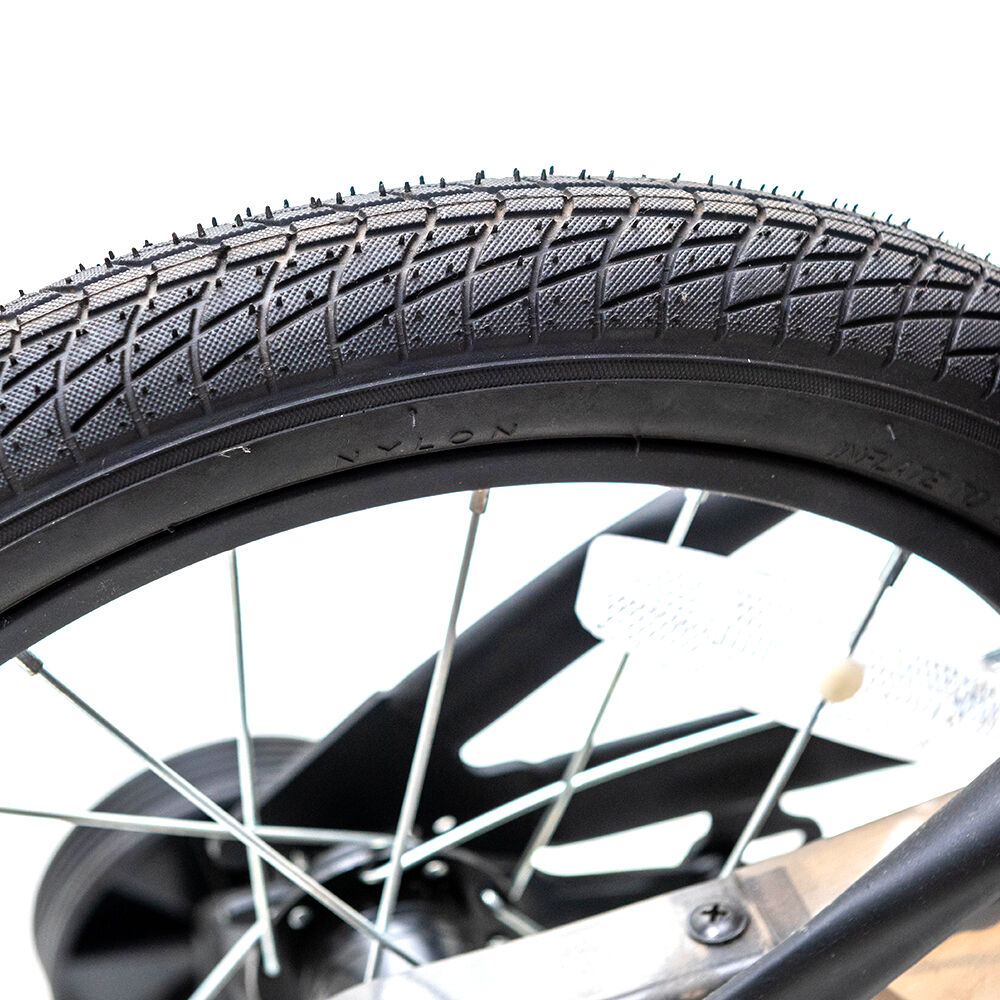
The children's bicycle retail market has experienced unprecedented growth in recent years, driven largely by strategic partnerships between retailers and specialized suppliers. When retail businesses understand how an oem children bicycle manufacturer can transform their market position, they unlock opportunities for sustainable expansion, improved profit margins, and enhanced customer satisfaction. These manufacturing partnerships provide retailers with access to custom-designed products that meet specific market demands while maintaining competitive pricing structures.
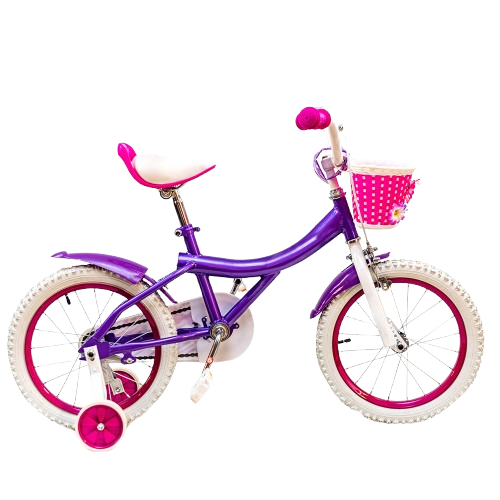
A professional oem children bicycle manufacturer serves as more than just a product supplier – they function as strategic growth partners who understand retail dynamics and consumer behavior patterns. Through customized manufacturing solutions, these partnerships enable retailers to differentiate their offerings, build brand loyalty, and capture larger market shares. The collaborative approach between manufacturers and retailers creates value chains that benefit end consumers through better product quality, innovative features, and competitive pricing.
Strategic Product Development and Customization
Market-Driven Design Innovation
An experienced oem children bicycle manufacturer begins retail support by conducting comprehensive market research to identify emerging trends and unmet customer needs. This research-driven approach ensures that product development aligns with actual market demands rather than assumptions. Manufacturers analyze safety standards, age-specific requirements, and regional preferences to create bicycles that resonate with target demographics.
The design innovation process involves close collaboration with retail partners to understand their customer feedback and sales data. Manufacturers use this information to develop features that address specific pain points, such as adjustable components for growing children, enhanced safety features, or unique aesthetic elements that appeal to both children and parents. This collaborative design approach ensures that new products have higher market acceptance rates and stronger sales potential.
Professional manufacturers also leverage advanced prototyping and testing methodologies to validate design concepts before full-scale production. This reduces the risk of market failures and ensures that retailers receive products that meet quality expectations and safety standards. The iterative design process allows for continuous improvement based on real-world performance data and customer feedback.
Brand Differentiation Through Custom Features
A skilled oem children bicycle manufacturer helps retailers develop unique product lines that stand out in competitive markets. This differentiation occurs through custom color schemes, specialized components, innovative safety features, or unique design elements that align with the retailer's brand identity. Custom branding options, including logos, packaging, and marketing materials, create cohesive brand experiences that strengthen customer loyalty.
The customization process extends beyond visual elements to include functional specifications that meet specific market needs. For example, manufacturers might develop bicycles with enhanced durability for rough terrain markets or create lightweight models for urban environments. These targeted specifications help retailers position their products effectively and justify premium pricing where appropriate.
Manufacturers also provide retailers with exclusive designs or limited-edition models that create urgency and excitement in the marketplace. These special offerings help retailers generate buzz around their brands and differentiate themselves from competitors who rely on standard product catalogs. The exclusivity factor often leads to higher profit margins and stronger customer engagement.
Supply Chain Optimization and Inventory Management
Flexible Production Scheduling
Modern oem children bicycle manufacturer operations incorporate flexible production systems that adapt to retail demand patterns and seasonal fluctuations. These systems allow retailers to optimize their inventory levels without committing to excessive stock or facing product shortages during peak selling periods. Flexible scheduling also enables quick responses to unexpected market opportunities or changes in consumer preferences.
The production flexibility extends to order quantities, allowing retailers to start with smaller volumes to test market response before committing to larger orders. This approach reduces financial risk for retailers while providing manufacturers with valuable market feedback that informs future production planning. The ability to scale production up or down based on actual demand helps both parties maintain healthy profit margins.
Advanced manufacturers also offer just-in-time delivery systems that synchronize production schedules with retail sales cycles. This coordination minimizes storage costs for retailers while ensuring product availability when customers need them most. The streamlined logistics reduce working capital requirements and improve cash flow management for retail businesses.
Quality Assurance and Compliance Support
Professional manufacturers provide comprehensive quality assurance programs that protect retailers from product liability issues and ensure consistent customer satisfaction. These programs include rigorous testing protocols, compliance with international safety standards, and detailed documentation that retailers can use to demonstrate product quality to their customers. Quality assurance extends beyond the manufacturing process to include packaging, shipping, and storage recommendations.
An established oem children bicycle manufacturer maintains certifications and compliance with regional safety standards, which reduces the regulatory burden on retailers. This compliance support includes assistance with product labeling, safety warnings, and documentation required for local market regulations. Manufacturers often provide technical support to help retailers understand and communicate product specifications to their customers.
The quality assurance process also includes continuous monitoring and improvement systems that identify potential issues before they affect retail sales. Manufacturers implement feedback loops that capture performance data from the field and use this information to refine production processes and product designs. This proactive approach helps prevent quality issues that could damage retailer reputations.
Marketing and Sales Support Infrastructure
Technical Training and Product Knowledge
A comprehensive oem children bicycle manufacturer partnership includes extensive training programs that equip retail staff with deep product knowledge and sales expertise. These training programs cover technical specifications, safety features, maintenance requirements, and competitive advantages that help sales staff communicate value propositions effectively to customers. Well-trained staff can address customer concerns confidently and provide accurate information that builds trust and credibility.
The training infrastructure often includes online resources, video tutorials, and hands-on workshops that accommodate different learning styles and scheduling constraints. Manufacturers provide ongoing education about new products, industry trends, and best practices that keep retail staff current with market developments. This continuous learning approach ensures that retailers maintain their competitive edge as markets evolve.
Technical training also covers assembly procedures, basic maintenance, and troubleshooting techniques that enable retailers to provide comprehensive customer service. This capability reduces customer service costs and improves customer satisfaction by resolving issues quickly and professionally. Retailers who can offer technical support differentiate themselves from competitors who only provide basic sales functions.
Marketing Materials and Promotional Support
Leading manufacturers provide retailers with professional marketing materials that enhance product presentation and support sales efforts. These materials include product catalogs, specification sheets, safety certifications, and promotional displays that create consistent brand experiences across retail locations. High-quality marketing materials help retailers communicate product benefits effectively and build customer confidence.
The promotional support often extends to co-marketing opportunities where manufacturers collaborate with retailers on advertising campaigns, trade show participation, and special events. These collaborative marketing efforts leverage combined resources to achieve greater market impact than either party could accomplish independently. Shared marketing costs make promotional activities more accessible for smaller retailers.
Manufacturers also provide digital marketing support, including product images, videos, and content that retailers can use for their websites and social media channels. This digital asset library ensures consistent brand presentation across all customer touchpoints and reduces the content creation burden for retail marketing teams. Professional marketing materials contribute to stronger brand perception and higher conversion rates.
Financial Partnership Models and Growth Facilitation
Flexible Payment Terms and Financing Options
Progressive oem children bicycle manufacturer partnerships offer flexible payment terms that support retail cash flow management and growth initiatives. These arrangements might include extended payment periods, seasonal payment schedules, or performance-based pricing that aligns manufacturer and retailer interests. Flexible terms enable retailers to invest in inventory growth without compromising their financial stability.
Some manufacturers provide financing assistance or credit programs that help retailers expand their operations or enter new markets. These financial partnerships demonstrate long-term commitment and create mutual incentives for success. Retailers benefit from improved cash flow management, while manufacturers gain committed partners who can drive higher sales volumes.
The financial partnership model often includes performance incentives, volume discounts, and loyalty rewards that encourage long-term relationships. These programs create win-win scenarios where increased retail success translates to benefits for both parties. Clear financial structures help retailers plan their growth strategies with confidence in their supply chain partnerships.
Market Expansion and Territory Development
Strategic manufacturers support retail growth by providing market analysis, territory mapping, and expansion planning assistance. This support helps retailers identify new opportunities and develop strategies for entering additional markets or expanding their customer base. Manufacturers share industry insights and market data that inform retail decision-making processes.
The territory development support includes assistance with logistics planning, regional compliance requirements, and local market customization. Manufacturers help retailers understand regional preferences and adapt their product offerings accordingly. This local market expertise reduces the risk associated with geographic expansion and improves the likelihood of success in new territories.
Partnership agreements often include territorial protection or exclusivity arrangements that provide retailers with competitive advantages in their chosen markets. These protections enable retailers to invest in market development with confidence that their efforts will not be undermined by competing retailers selling identical products. Territorial support creates stable foundations for long-term business growth.
FAQ
What factors should retailers consider when selecting an OEM children bicycle manufacturer?
Retailers should evaluate manufacturing capabilities, quality certifications, customization options, production flexibility, and support services. Key considerations include the manufacturer's experience with children's products, safety standard compliance, ability to meet volume requirements, and willingness to provide ongoing partnership support. Financial stability and reputation in the industry are also critical factors.
How do OEM partnerships affect product pricing and profit margins for retailers?
OEM partnerships typically improve profit margins by eliminating distributor markups and enabling volume-based pricing. Direct manufacturer relationships provide better cost control and pricing transparency. Customization capabilities allow retailers to justify premium pricing for unique features, while flexible order quantities help optimize inventory costs and reduce markdowns.
What ongoing support can retailers expect from professional OEM children bicycle manufacturers?
Professional manufacturers provide continuous technical support, training updates, marketing materials, and product development collaboration. This includes warranty assistance, quality issue resolution, new product introductions, and market trend analysis. Many manufacturers also offer business development consulting and expansion planning support to help retail partners grow their operations.
How do OEM manufacturers ensure product safety and regulatory compliance for retail partners?
Established OEM manufacturers maintain comprehensive testing facilities, safety certifications, and compliance documentation. They conduct regular quality audits, provide detailed product specifications, and ensure adherence to international safety standards. Manufacturers typically offer liability protection through proper insurance coverage and maintain detailed production records for traceability purposes.
Table of Contents
- Strategic Product Development and Customization
- Supply Chain Optimization and Inventory Management
- Marketing and Sales Support Infrastructure
- Financial Partnership Models and Growth Facilitation
-
FAQ
- What factors should retailers consider when selecting an OEM children bicycle manufacturer?
- How do OEM partnerships affect product pricing and profit margins for retailers?
- What ongoing support can retailers expect from professional OEM children bicycle manufacturers?
- How do OEM manufacturers ensure product safety and regulatory compliance for retail partners?