
 EN
EN



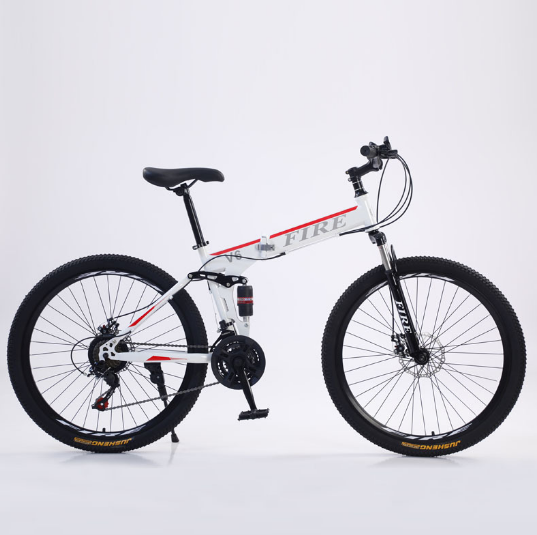
Manufacturing bicycles at scale while maintaining consistent quality represents one of the most significant operational challenges facing any china bicycle manufacturer today. The complexity of coordinating hundreds of components, managing supplier relationships, and ensuring every bicycle meets international safety standards requires sophisticated quality management systems and unwavering attention to detail throughout the production process.
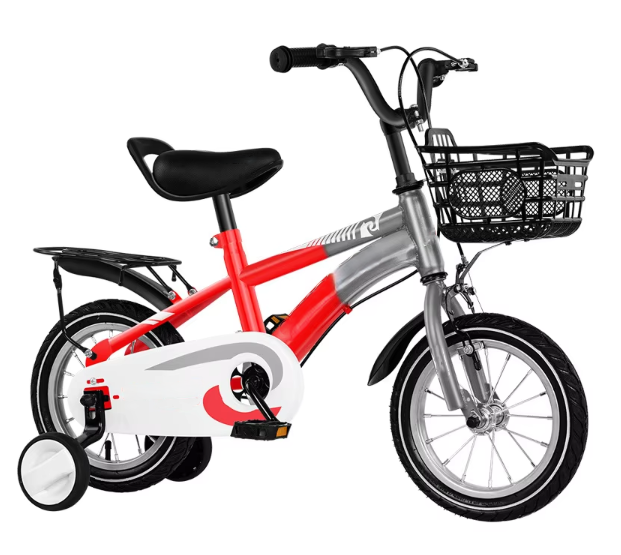
The success of a china bicycle manufacturer in ensuring quality at scale depends on implementing comprehensive quality control frameworks that span from raw material procurement through final product delivery. These manufacturers have developed proven methodologies that combine traditional manufacturing excellence with modern technology integration, creating robust systems capable of producing thousands of bicycles daily while maintaining the quality standards demanded by global markets.
Comprehensive Supply Chain Quality Management
Vendor Qualification and Material Standards
A successful china bicycle manufacturer begins quality assurance at the very foundation of the supply chain by establishing rigorous vendor qualification processes. These processes involve comprehensive auditing of potential suppliers, evaluating their manufacturing capabilities, quality systems, and ability to meet specific material specifications consistently over time.
Material standards form the backbone of quality at scale, with each china bicycle manufacturer developing detailed specifications for steel tubing, aluminum alloys, carbon fiber composites, and polymer components. These specifications include not only dimensional tolerances but also chemical composition requirements, mechanical properties, and surface finish standards that ensure compatibility with automated assembly processes.
The qualification process typically includes on-site inspections, sample testing protocols, and pilot production runs that allow the china bicycle manufacturer to evaluate supplier performance under realistic production conditions. This comprehensive approach helps identify potential quality issues before they impact large-scale production runs.
Incoming Material Inspection Systems
Advanced incoming material inspection systems represent a critical control point where every china bicycle manufacturer must invest significant resources to maintain quality at scale. These systems combine statistical sampling methods with automated testing equipment to verify that incoming materials meet established specifications before entering the production process.
Modern inspection protocols utilize coordinate measuring machines, tensile testing equipment, and chemical analysis tools to verify material properties rapidly and accurately. The data generated from these inspections feeds into quality management databases that track supplier performance trends and identify potential issues before they affect production quality.
Each china bicycle manufacturer typically implements receiving inspection procedures that include visual inspection, dimensional verification, and functional testing of critical components such as brake systems, shifting mechanisms, and safety-critical fasteners that require precise specification compliance.
Production Line Quality Control Systems
Real-Time Monitoring and Statistical Process Control
The implementation of real-time monitoring systems allows a china bicycle manufacturer to detect quality variations immediately during production, enabling rapid corrective actions that prevent defective products from advancing through the assembly process. These systems utilize sensors, cameras, and measurement devices positioned at critical production stages.
Statistical process control methods help identify when production processes are trending toward specification limits, allowing operators to make adjustments before defects occur. This proactive approach significantly reduces scrap rates and ensures consistent product quality even during high-volume production periods that characterize successful china bicycle manufacturer operations.
The integration of these monitoring systems with manufacturing execution software creates comprehensive data trails that enable rapid identification of root causes when quality issues do occur, facilitating continuous improvement initiatives that enhance overall production efficiency.
Automated Quality Checkpoints
Strategic placement of automated quality checkpoints throughout the production line enables a china bicycle manufacturer to verify critical dimensions, assembly torques, and component functionality without slowing overall production throughput. These checkpoints utilize vision systems, torque monitoring equipment, and functional testing apparatus.
Frame welding verification systems ensure that every weld meets structural integrity requirements, while automated wheel building stations verify spoke tension uniformity and wheel trueness within tight tolerances. These automated systems provide objective, repeatable measurements that eliminate human error and ensure consistent quality standards.
The data collected at automated checkpoints feeds into production tracking systems that maintain complete quality records for every bicycle produced, enabling comprehensive traceability that supports warranty claims investigation and continuous improvement initiatives essential for any china bicycle manufacturer operating at scale.
Advanced Testing and Validation Protocols
Destructive and Non-Destructive Testing Methods
Comprehensive testing protocols ensure that every design and production change maintains the safety and durability standards expected from a professional china bicycle manufacturer. Destructive testing involves systematic evaluation of frame strength, component fatigue resistance, and overall system durability under extreme conditions that exceed normal usage parameters.
Non-destructive testing methods, including ultrasonic inspection, dye penetrant testing, and radiographic examination, allow quality teams to evaluate critical joints and components without compromising product integrity. These methods are particularly valuable for detecting internal defects in welded structures and composite components.
The testing laboratory operated by a modern china bicycle manufacturer typically includes environmental chambers for temperature and humidity cycling, vibration testing equipment, and specialized fixtures that simulate real-world loading conditions. This comprehensive testing capability ensures product reliability across diverse operating environments.
Performance Validation and Certification
International certification requirements demand that every china bicycle manufacturer maintain rigorous performance validation protocols that demonstrate compliance with safety standards across multiple global markets. These protocols include standardized test procedures for brake performance, structural integrity, and component durability.
Validation testing encompasses complete bicycle assemblies as well as individual components, ensuring that system-level performance meets design specifications. This comprehensive approach helps identify potential interactions between components that could affect overall bicycle performance or safety.
The certification process requires extensive documentation and traceability systems that demonstrate consistent manufacturing processes and quality control measures. For a china bicycle manufacturer, maintaining these certifications across multiple product lines requires sophisticated quality management systems and continuous monitoring procedures.
Technology Integration and Data Management
Quality Management Information Systems
Modern quality management information systems enable a china bicycle manufacturer to integrate data from all quality control points into comprehensive databases that support real-time decision making and long-term trend analysis. These systems collect data from incoming inspection, production monitoring, and final testing activities.
The integration of quality data with production planning systems allows manufacturers to optimize production schedules based on quality performance trends, ensuring that resources are allocated efficiently while maintaining quality standards. This data-driven approach helps identify opportunities for process improvements that enhance both quality and productivity.
Advanced analytics capabilities within these systems enable predictive quality modeling that helps anticipate potential issues before they occur, allowing proactive interventions that prevent quality problems rather than simply detecting them after they happen.
Continuous Improvement and Feedback Loops
Effective continuous improvement programs require systematic analysis of quality data to identify improvement opportunities and validate the effectiveness of corrective actions. A successful china bicycle manufacturer implements structured problem-solving methodologies that ensure root causes are addressed rather than just symptoms.
Customer feedback integration provides valuable insights into real-world performance that complement internal testing data, helping manufacturers understand how their products perform across diverse usage conditions and user requirements. This external perspective is essential for maintaining product relevance and quality competitiveness.
The feedback loop system typically includes regular review processes that evaluate the effectiveness of quality control measures, identify areas for improvement, and implement changes that enhance overall quality performance. This systematic approach ensures that quality systems evolve continuously to meet changing market demands and technological capabilities.
FAQ
What specific quality certifications do China bicycle manufacturers typically maintain?
Most established china bicycle manufacturer operations maintain ISO 9001 quality management system certification along with product-specific certifications such as EN 14764 for city and trekking bicycles, CPSC standards for the US market, and JIS standards for Japanese markets. Additional certifications may include ISO 14001 for environmental management and various safety testing certifications required by specific export destinations.
How do China bicycle manufacturers handle quality control for different product lines simultaneously?
A professional china bicycle manufacturer typically implements modular quality control systems that can be configured for different product specifications while maintaining common core processes. This approach includes standardized inspection procedures that can accommodate varying dimensional requirements, multiple testing protocols for different performance levels, and flexible documentation systems that track quality data across diverse product lines without compromising efficiency.
What role does automation play in maintaining quality consistency at high production volumes?
Automation serves as a critical enabler for any china bicycle manufacturer seeking to maintain consistent quality at scale by eliminating human variability in critical measurement and testing processes. Automated systems provide objective, repeatable measurements, reduce inspection time, and generate comprehensive data records that support continuous improvement initiatives. However, human oversight remains essential for complex quality judgments and system optimization.
How do China bicycle manufacturers ensure component traceability throughout the production process?
Modern china bicycle manufacturer operations implement comprehensive traceability systems using barcode or RFID technology to track components from incoming inspection through final assembly. These systems maintain detailed records of component origins, processing history, and quality test results, enabling rapid identification of affected products in the event of supplier issues or field performance problems. This traceability capability is essential for effective warranty support and continuous improvement initiatives.
Table of Contents
- Comprehensive Supply Chain Quality Management
- Production Line Quality Control Systems
- Advanced Testing and Validation Protocols
- Technology Integration and Data Management
-
FAQ
- What specific quality certifications do China bicycle manufacturers typically maintain?
- How do China bicycle manufacturers handle quality control for different product lines simultaneously?
- What role does automation play in maintaining quality consistency at high production volumes?
- How do China bicycle manufacturers ensure component traceability throughout the production process?