
 EN
EN



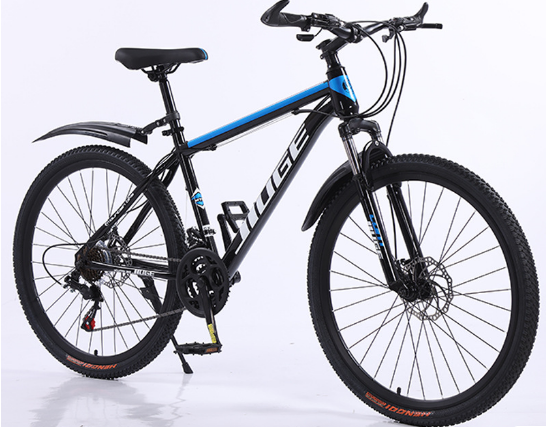
A custom bicycle oem factory represents a specialized manufacturing partner that can transform unique bicycle concepts into market-ready products. These facilities possess the technical expertise, advanced equipment, and quality control systems necessary to produce bicycles that meet exact specifications while maintaining rigorous standards throughout the manufacturing process.
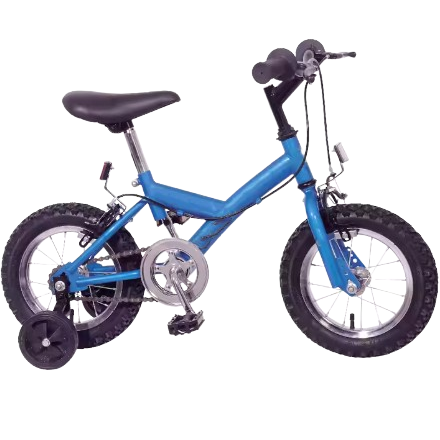
The ability of a custom bicycle oem factory to deliver exceptional designs depends on multiple interconnected factors including engineering capabilities, material sourcing expertise, production flexibility, and quality assurance protocols. Understanding these elements helps brands make informed decisions when selecting manufacturing partners for their bicycle projects.
Manufacturing Capabilities That Enable Quality Design Execution
Advanced Production Equipment and Technology
A sophisticated custom bicycle oem factory utilizes cutting-edge manufacturing equipment that directly impacts design quality and precision. Computer-controlled welding systems ensure consistent frame joints and structural integrity across all production units. Precision machining centers enable accurate component fabrication with tight tolerances that enhance overall bicycle performance and durability.
Modern paint application systems within a custom bicycle oem factory provide uniform coating thickness and superior finish quality. These automated systems reduce human error while delivering consistent color matching and surface protection. Advanced curing ovens maintain optimal temperature profiles that enhance paint adhesion and resistance to environmental factors.
Quality testing equipment allows comprehensive evaluation of finished bicycles before shipment. Load testing machines simulate real-world stress conditions while dimensional measuring systems verify design specifications. This technology integration ensures that each bicycle meets both aesthetic and performance requirements established during the design phase.
Skilled Engineering and Design Support
Expert engineering teams within a custom bicycle oem factory provide critical design optimization services that enhance product quality. These professionals analyze frame geometry, material stress points, and component integration to identify potential improvements before production begins. Their expertise prevents costly design flaws and ensures optimal bicycle performance characteristics.
Computer-aided design software enables precise modeling and simulation of bicycle structures under various load conditions. Engineering teams can evaluate design modifications virtually, reducing development time while improving final product quality. This capability allows rapid iteration of design concepts until optimal solutions are achieved.
Material science expertise helps select appropriate frame materials and component specifications that align with design requirements. Engineers consider factors such as strength-to-weight ratios, corrosion resistance, and manufacturing feasibility when recommending material choices. This knowledge ensures that design concepts can be successfully translated into durable, high-performance bicycles.
Quality Control Systems and Standards Implementation
Comprehensive Inspection Protocols
Rigorous quality control measures distinguish a professional custom bicycle oem factory from basic manufacturing operations. Multi-stage inspection processes examine components, subassemblies, and finished bicycles at critical production points. These systematic checks identify potential issues early, preventing defective products from reaching customers while maintaining consistent quality standards.
Incoming material inspection ensures that all components meet specified quality requirements before entering the production process. Trained quality technicians verify dimensions, material properties, and surface finish characteristics against established standards. This preventive approach eliminates quality problems at their source, supporting overall design integrity.
Final assembly inspection protocols verify proper component installation, adjustment accuracy, and overall bicycle functionality. Experienced technicians conduct comprehensive performance tests including brake operation, gear shifting precision, and structural integrity checks. These thorough evaluations guarantee that each bicycle performs according to design specifications.
Certification and Compliance Management
Professional custom bicycle oem factory operations maintain relevant industry certifications that demonstrate commitment to quality standards. ISO certification systems provide structured approaches to quality management while ensuring consistent production processes. These frameworks support reliable delivery of high-quality designs through systematic quality control implementation.
Safety standard compliance ensures that manufactured bicycles meet regional and international safety requirements. Testing laboratories within advanced facilities verify compliance with standards such as EN, CPSC, or JIS specifications. This compliance verification protects both manufacturers and end users while supporting market acceptance of custom designs.
Documentation systems track quality metrics throughout the production process, enabling continuous improvement initiatives. Data collection and analysis help identify trends, optimize processes, and prevent quality issues from recurring. This systematic approach supports consistent delivery of high-quality bicycle designs over time.
Design Flexibility and Customization Capabilities
Frame Geometry and Styling Options
The design flexibility offered by a custom bicycle oem factory enables creation of unique frame geometries that differentiate products in competitive markets. Experienced manufacturers can modify tube lengths, angles, and junction designs to achieve specific performance characteristics or aesthetic preferences. This adaptability allows brands to develop distinctive bicycle designs that reflect their market positioning.
Welding expertise within a custom bicycle oem factory supports various frame construction techniques including TIG welding, brazing, and advanced joining methods. Skilled craftsmen can execute complex frame designs while maintaining structural integrity and visual appeal. This technical capability enables production of sophisticated designs that might be impossible with standard manufacturing approaches.
Surface finishing options extend beyond basic paint application to include specialized treatments such as powder coating, anodizing, or custom graphics application. These finishing capabilities allow brands to create distinctive visual identities while ensuring long-term durability. Professional finishing systems within quality facilities deliver consistent results that enhance overall design appeal.
Component Integration and Compatibility
Effective component sourcing and integration capabilities enable a custom bicycle oem factory to deliver complete, market-ready products that meet specific design requirements. Experienced manufacturers maintain relationships with reliable component suppliers while understanding compatibility requirements across different bicycle categories. This knowledge ensures proper component selection and integration during the design process.
Assembly expertise allows seamless integration of various component systems including drivetrains, braking systems, and suspension components. Skilled technicians understand proper installation procedures, adjustment requirements, and performance optimization techniques. This expertise ensures that custom designs function properly and deliver intended performance characteristics.
Testing protocols verify component compatibility and overall system performance before production scaling. Prototype development and evaluation help identify potential integration issues while validating design concepts. This thorough approach prevents problems during mass production while ensuring consistent quality delivery.
Production Scalability and Delivery Reliability
Manufacturing Capacity and Planning
Production planning capabilities within a custom bicycle oem factory determine the ability to deliver high-quality designs within specified timeframes and quantities. Advanced facilities utilize capacity planning systems that balance multiple projects while maintaining quality standards. This systematic approach ensures reliable delivery schedules without compromising design quality or manufacturing precision.
Inventory management systems support consistent component availability while minimizing production delays. Professional manufacturers maintain strategic inventory levels for critical components while coordinating supplier deliveries to match production schedules. This planning capability reduces lead times while ensuring uninterrupted production of custom bicycle designs.
Flexible production lines allow efficient switching between different bicycle models and specifications without extensive setup changes. This adaptability supports cost-effective production of custom designs in various quantities. Manufacturing flexibility enables responsive service to changing market demands while maintaining consistent quality standards.
Supply Chain Management and Logistics
Robust supply chain management ensures consistent availability of quality components required for custom bicycle production. Experienced manufacturers develop diverse supplier networks while implementing vendor qualification processes that verify quality capabilities. This approach reduces supply risks while supporting reliable delivery of high-quality designs.
Logistics coordination capabilities enable efficient movement of materials and finished products throughout the supply chain. Professional custom bicycle oem factory operations utilize transportation planning systems that optimize delivery schedules while protecting product quality during transit. This coordination supports timely delivery of custom bicycles to distribution channels.
Risk management strategies address potential supply chain disruptions that could impact design delivery schedules. Contingency planning includes alternative supplier identification, inventory buffer strategies, and flexible production scheduling. These measures help maintain delivery reliability even when unexpected challenges arise in the supply chain.
FAQ
What qualifications should I look for in a custom bicycle oem factory?
Look for factories with relevant industry certifications such as ISO 9001, experienced engineering teams, advanced manufacturing equipment, and comprehensive quality control systems. Verify their track record with similar bicycle projects and request samples or facility tours to evaluate their capabilities firsthand.
How long does it typically take for a custom bicycle oem factory to develop and deliver a new design?
Development timelines vary based on design complexity, but typically range from 3-6 months for complete custom bicycle projects. This includes design refinement, prototype development, testing, tooling preparation, and initial production runs. Complex designs or specialized components may require additional development time.
Can a custom bicycle oem factory handle small production quantities while maintaining quality standards?
Professional custom bicycle manufacturers can accommodate various production volumes while maintaining consistent quality standards. Many facilities offer flexible production planning that allows cost-effective manufacturing of smaller quantities. However, minimum order quantities may apply depending on the complexity of custom tooling or setup requirements.
What role does the custom bicycle oem factory play in design intellectual property protection?
Reputable manufacturers implement confidentiality agreements and intellectual property protection measures to safeguard custom designs. This includes secure design documentation storage, limited access to design information, and contractual obligations regarding design confidentiality. Choose factories with established IP protection policies and proven track records in handling proprietary designs.
Table of Contents
- Manufacturing Capabilities That Enable Quality Design Execution
- Quality Control Systems and Standards Implementation
- Design Flexibility and Customization Capabilities
- Production Scalability and Delivery Reliability
-
FAQ
- What qualifications should I look for in a custom bicycle oem factory?
- How long does it typically take for a custom bicycle oem factory to develop and deliver a new design?
- Can a custom bicycle oem factory handle small production quantities while maintaining quality standards?
- What role does the custom bicycle oem factory play in design intellectual property protection?