
 EN
EN



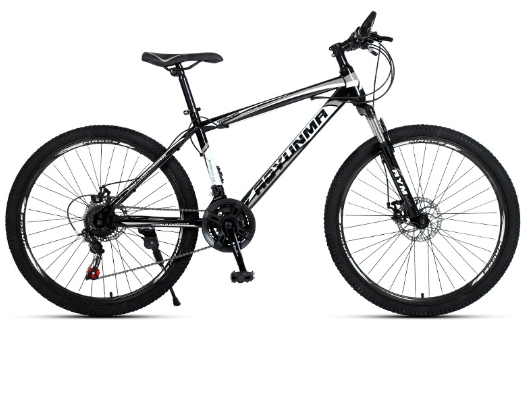
The success of any retail bicycle business depends heavily on partnering with the right bicycle wholesale supplier. In today's competitive market, retailers need suppliers who can deliver both exceptional quality and extensive variety to meet diverse customer demands. Finding a reliable bicycle wholesale supplier requires careful evaluation of their manufacturing processes, product range, and commitment to quality assurance standards.
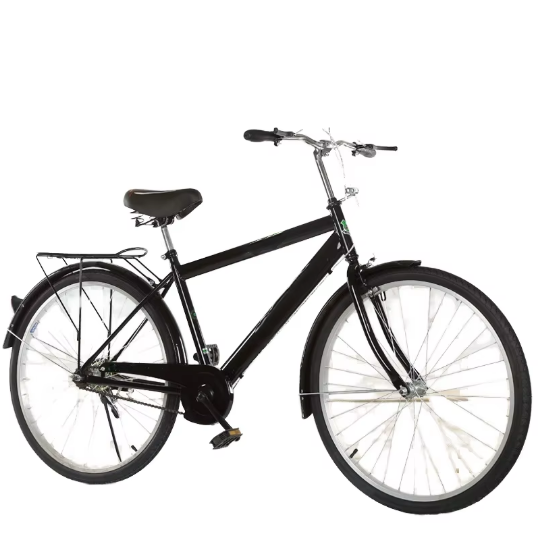
The bicycle industry has experienced tremendous growth in recent years, driven by increasing environmental consciousness and health awareness. This surge in demand has created opportunities for retailers to expand their offerings, but it also presents challenges in sourcing quality products at competitive prices. A professional bicycle wholesale supplier serves as the crucial link between manufacturers and retailers, ensuring that high-quality bicycles reach the market efficiently and cost-effectively.
Understanding Quality Standards in Bicycle Manufacturing
Material Selection and Frame Construction
Quality begins with the selection of appropriate materials for bicycle construction. A reputable bicycle wholesale supplier maintains strict standards for frame materials, whether using steel, aluminum, carbon fiber, or titanium. The frame serves as the foundation of any bicycle, and its quality directly impacts durability, performance, and rider safety. Steel frames offer excellent durability and smooth ride characteristics, making them popular for mountain bikes and touring bicycles.
Advanced manufacturing techniques ensure that welding joints meet international safety standards. Professional suppliers implement comprehensive testing protocols to verify frame integrity under various stress conditions. These tests simulate real-world riding scenarios, including impact resistance, fatigue testing, and load-bearing capacity assessments. Quality control measures extend beyond basic structural testing to include paint adhesion, corrosion resistance, and dimensional accuracy checks.
Component Integration and Assembly
The integration of components represents another critical aspect of bicycle quality. A reliable bicycle wholesale supplier ensures that all components work harmoniously together, from drivetrain systems to braking mechanisms. Proper component selection involves matching gear ratios to intended use cases, selecting appropriate brake systems for different riding conditions, and ensuring compatibility between all mechanical and electronic systems.
Assembly procedures follow standardized protocols that guarantee consistent quality across production runs. Each bicycle undergoes thorough inspection during multiple assembly stages, with particular attention paid to cable routing, bearing installation, and wheel building. Professional suppliers maintain detailed quality documentation for each batch, enabling traceability and continuous improvement initiatives. This systematic approach ensures that retailers receive bicycles that meet or exceed industry quality benchmarks.
Variety and Product Range Considerations
Market Segmentation and Customer Needs
A comprehensive bicycle wholesale supplier understands the importance of offering diverse product lines to serve different market segments. Mountain bikes cater to adventure enthusiasts seeking rugged terrain performance, while road bikes appeal to fitness-conscious consumers and competitive cyclists. Urban commuters require practical features like integrated lighting systems, cargo capacity, and weather protection. Each category demands specific design considerations and component specifications.
Electric bicycles represent a rapidly growing segment that requires specialized knowledge and components. Suppliers must stay current with battery technology, motor integration, and electronic control systems. The variety extends beyond basic categories to include specialized applications such as folding bikes for space-constrained urban environments, cargo bikes for commercial use, and adaptive bicycles for riders with mobility challenges. This diversity ensures that retailers can serve comprehensive customer bases.
Customization and Private Label Options
Forward-thinking bicycle wholesale suppliers offer customization services that allow retailers to differentiate their product offerings. Private labeling enables retailers to build brand recognition while maintaining competitive pricing advantages. Customization options may include color schemes, component upgrades, graphic designs, and specialized features tailored to local market preferences. These services require flexible manufacturing processes and responsive customer support systems.
The ability to accommodate custom orders demonstrates supplier capability and market responsiveness. Small batch production runs allow retailers to test new concepts without significant inventory risks. Successful suppliers maintain design teams that can translate retailer concepts into manufacturable products while ensuring quality standards remain uncompromised. This collaborative approach fosters long-term partnerships between suppliers and retailers, creating mutual success opportunities in competitive markets.
Supply Chain Management and Logistics
Inventory Management and Demand Forecasting
Effective supply chain management distinguishes exceptional bicycle wholesale suppliers from average competitors. Sophisticated inventory management systems track product movement, seasonal demand patterns, and market trends to optimize stock levels. Advanced forecasting algorithms consider multiple variables including weather patterns, economic indicators, and promotional calendars to predict demand fluctuations accurately. This proactive approach minimizes stockouts while reducing excess inventory costs.
Real-time inventory visibility enables retailers to make informed purchasing decisions and plan promotional activities effectively. Cloud-based systems provide instant access to availability information, allowing for responsive order adjustments based on changing market conditions. Professional suppliers maintain safety stock levels for popular models while offering pre-order programs for seasonal items. This balanced approach ensures product availability without excessive carrying costs.
Distribution Networks and Delivery Efficiency
Strategic distribution center locations enable efficient delivery to retailers across broad geographic regions. A well-established bicycle wholesale supplier maintains multiple fulfillment centers to reduce shipping times and transportation costs. Automated sorting systems and optimized packaging procedures ensure accurate order fulfillment while minimizing damage during transit. Partnership with reliable logistics providers guarantees consistent delivery performance.
Technology integration streamlines the ordering and tracking process for retail partners. Electronic data interchange systems facilitate seamless communication between supplier and retailer inventory management systems. Real-time shipment tracking provides transparency throughout the delivery process, enabling retailers to update customers proactively about order status. Professional packaging protects products during shipping while minimizing environmental impact through sustainable materials and optimized box sizes.
Quality Assurance and Testing Protocols
Manufacturing Quality Control
Comprehensive quality assurance programs ensure consistent product excellence throughout manufacturing operations. Statistical process control methods monitor production variables in real-time, identifying potential issues before they affect product quality. Incoming material inspection verifies that all components meet specified standards before entering the production process. Random sampling procedures test finished products against established quality benchmarks, ensuring compliance with safety regulations and performance expectations.
Documentation systems maintain detailed records of quality metrics, test results, and corrective actions taken. This data enables continuous improvement initiatives and provides traceability for warranty claims or safety recalls. Professional bicycle wholesale suppliers implement quality management systems certified to international standards such as ISO 9001, demonstrating commitment to systematic quality improvement. Regular audits by independent third parties verify compliance with established quality procedures.
Product Testing and Certification
Rigorous testing protocols validate bicycle performance, safety, and durability under various operating conditions. Fatigue testing simulates years of normal use within compressed timeframes, identifying potential failure modes before products reach consumers. Environmental testing exposes bicycles to extreme temperatures, humidity levels, and corrosive conditions to verify long-term reliability. Impact testing ensures that safety-critical components can withstand accident scenarios without catastrophic failure.
International certification programs provide independent verification of product compliance with safety standards. Organizations such as the Consumer Product Safety Commission and European Conformity marking require extensive testing and documentation. Professional suppliers maintain relationships with accredited testing laboratories to ensure timely certification processes. These certifications provide retailers and consumers with confidence in product safety and performance characteristics.
Technology Integration and Innovation
Digital Platform Development
Modern bicycle wholesale suppliers leverage technology to enhance customer experience and operational efficiency. Online ordering platforms provide 24/7 access to product catalogs, pricing information, and inventory availability. Mobile applications enable field sales representatives to place orders, check stock levels, and access technical specifications while visiting retail locations. Integration with retailer point-of-sale systems facilitates automatic reordering based on predefined inventory thresholds.
Virtual reality showrooms allow retailers to explore product lines without physical samples, reducing demonstration costs while improving decision-making speed. Augmented reality applications help customers visualize bicycles in different configurations and color options. These technological innovations enhance the buying experience while reducing the time and cost associated with traditional sales processes. Data analytics capabilities provide insights into purchasing patterns and market trends that inform product development decisions.
Product Development and Innovation
Continuous innovation drives competitive advantage in the bicycle industry. Leading bicycle wholesale suppliers invest significantly in research and development to create products that meet evolving consumer expectations. Design teams collaborate with material scientists to develop lighter, stronger frame materials and more efficient component systems. Aerodynamic optimization reduces energy requirements for riders while improving overall performance characteristics.
Sustainability initiatives focus on developing environmentally responsible manufacturing processes and recyclable product designs. Alternative materials such as bamboo and recycled carbon fiber offer eco-friendly options without compromising performance. Modular design concepts enable component upgrading and repair, extending product lifecycles and reducing waste. These innovation efforts position suppliers as industry leaders while supporting retailer differentiation strategies.
Partnership Benefits and Support Services
Training and Education Programs
Comprehensive training programs ensure that retail staff possess the knowledge necessary to sell and service bicycles effectively. Technical training covers assembly procedures, adjustment techniques, and troubleshooting methodologies for various bicycle types. Sales training focuses on matching customer needs with appropriate product features and benefits. Regular workshops keep retailers current with new product introductions and industry trends.
Online training platforms provide flexible learning opportunities that accommodate busy retail schedules. Video tutorials demonstrate proper assembly and maintenance procedures, while interactive modules test comprehension and skill development. Certification programs validate staff competency levels and provide credentials that enhance customer confidence. Professional bicycle wholesale suppliers recognize that educated retail partners drive sales growth and customer satisfaction.
Marketing Support and Promotional Programs
Marketing support helps retailers promote bicycle products effectively within their local markets. Co-operative advertising programs share promotional costs while maintaining consistent brand messaging. Point-of-sale materials including brochures, displays, and demonstration tools enhance in-store presentations. Digital marketing resources provide social media content, email templates, and website graphics that retailers can customize for local use.
Seasonal promotional programs coordinate manufacturer incentives with retailer sales events. Volume purchase discounts encourage inventory investment during peak selling seasons. Demo bike programs allow retailers to offer test rides that increase customer confidence and purchase likelihood. These comprehensive support services strengthen retailer relationships while driving mutual business growth.
FAQ
How can retailers verify the quality standards of a bicycle wholesale supplier
Retailers should request documentation of quality certifications, manufacturing process descriptions, and testing protocols from potential suppliers. Visit manufacturing facilities when possible to observe production procedures firsthand. Ask for references from existing retail partners and contact them to discuss their experiences. Review warranty terms and claims procedures as indicators of supplier confidence in product quality. Request sample products for evaluation and testing in your local market conditions.
What factors determine the variety of products available from wholesale suppliers
Product variety depends on the supplier's manufacturing capabilities, market focus, and investment in product development. Larger suppliers typically offer broader ranges due to economies of scale and diverse customer bases. Specialized suppliers may focus on particular segments such as high-end road bikes or electric bicycles. Geographic location influences product mix based on regional preferences and climate conditions. Supplier partnerships with component manufacturers also affect available options and customization possibilities.
How do wholesale pricing structures affect retailer profitability
Wholesale pricing structures vary based on order quantities, payment terms, and seasonal factors. Volume discounts reward larger purchases but require higher inventory investments. Early payment discounts can improve cash flow while reducing overall costs. Seasonal pricing adjustments help suppliers manage production capacity while enabling retailers to plan inventory investments. Understanding these structures helps retailers optimize purchasing decisions and maximize profit margins.
What support services should retailers expect from professional bicycle wholesale suppliers
Professional suppliers provide comprehensive support including technical training, marketing materials, warranty processing, and inventory management assistance. Technical support helps resolve assembly and service issues quickly. Marketing support includes promotional materials, advertising co-op programs, and product education resources. Efficient warranty processing maintains customer satisfaction while minimizing retailer administrative burden. Inventory management tools help optimize stock levels and reduce carrying costs while ensuring product availability.
Table of Contents
- Understanding Quality Standards in Bicycle Manufacturing
- Variety and Product Range Considerations
- Supply Chain Management and Logistics
- Quality Assurance and Testing Protocols
- Technology Integration and Innovation
- Partnership Benefits and Support Services
-
FAQ
- How can retailers verify the quality standards of a bicycle wholesale supplier
- What factors determine the variety of products available from wholesale suppliers
- How do wholesale pricing structures affect retailer profitability
- What support services should retailers expect from professional bicycle wholesale suppliers