
 EN
EN



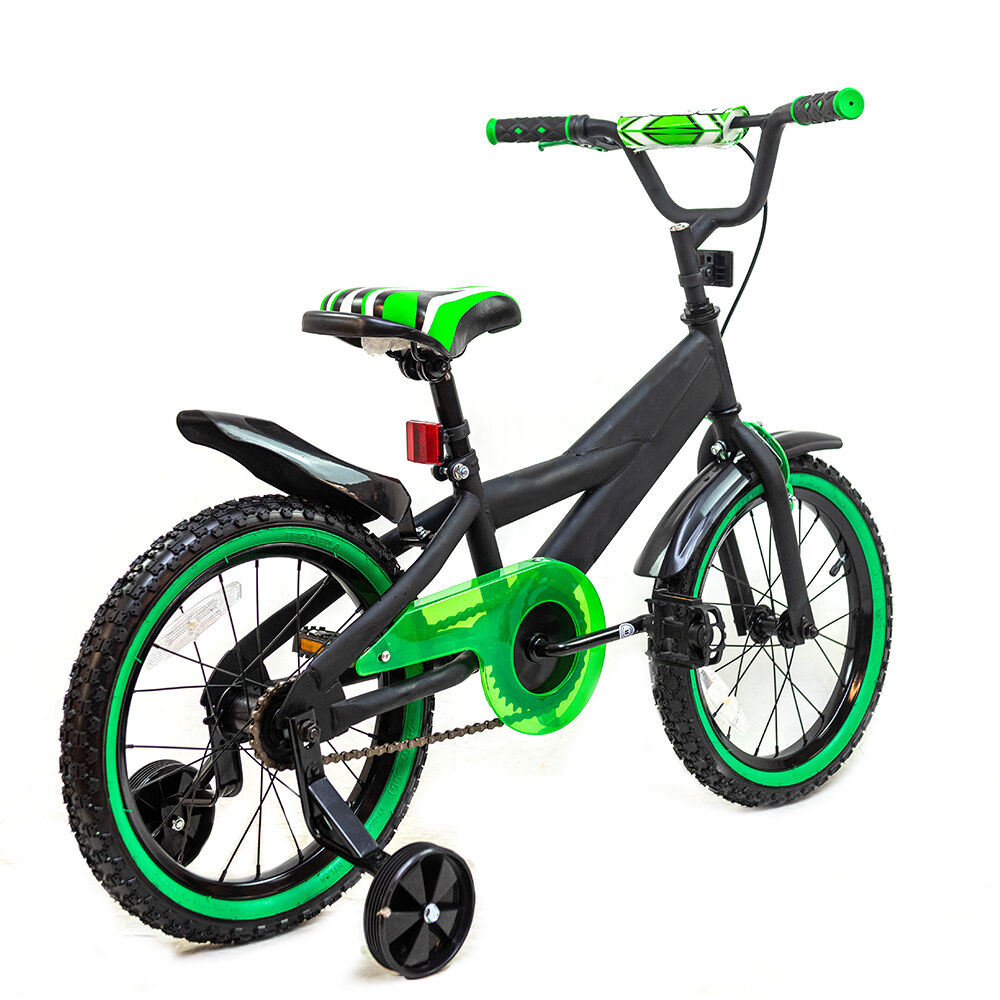
בבחירת שותף ייצור לאופניים לילדים, הבחירה במפעל מקצועי לאופניים לילדים אופניים יכולה להוות את ההבדל בין קו מוצר מוצלח לבין בעיות איכות יקרות. בניגוד לייצרנים כלליים המייצרים סוגי אופניים מגוונים, מפעל מתמחה באופניים לילדים מתמקד באופן בלעדי בדרישות הייחודיות של אופניים לילדים, החל מתקני הבטיחות ועד לתכנון התואם לגיל. אופניים התמחות זו מתורגמת לאיכות עליונה מוצרים המגיעה הן לדרישות הרגולטוריות והן לציפיות ההורים לעמידות, בטיחות ותכונות ידידותיות לילדים.
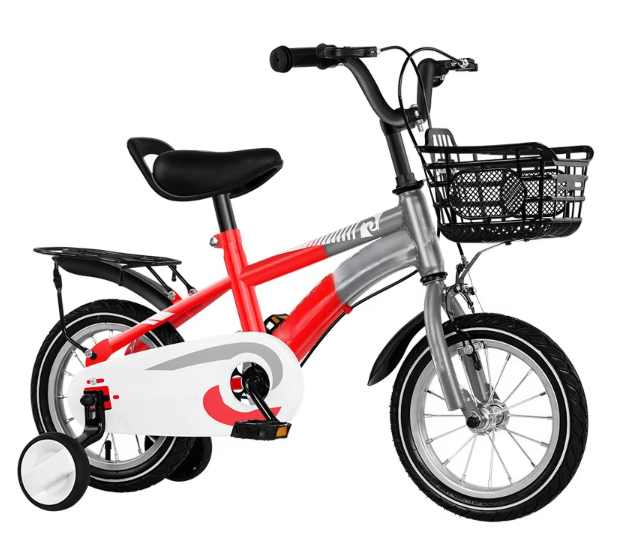
ההחלטה לשתף פעולה עם מפעל מיועד לאופניים לילדים הופכת קריטית עוד יותר כאשר נלקחות בחשבון את האתגרים ההנדסיים הספציפיים של אופניים לילדים. יצרנים אלו מבינים שאופניים לילדים דורשים גאומטריות מסגרת שונות, תכונות בטיחות מיוחדות וחומרים שיכולים לעמוד בדפוסי המתח הייחודיים שנוצרים על ידי רוכבים צעירים. מפעל מקצועי לאופניים לילדים מביא עשור של ניסיון ממוקד ביצירת אופניים שלא רק פועלים היטב אלא גם תומכים בהתפתחות הפיזית הנכונה ובהתקדמות כישורי הרכיבה chez ילדים בגילאי 2–12.
סטנדרטים מיוחדים לבטיחות ומומחיות בהיענות לדרישות
בדיקות ותאימות לבטיחות ייחודיות לילדי
מפעל מקצועי לאופניים לילדים מחזיק בידע מעמיק בתקנים לביטחון מיוחדים לילדיים, אשר יצרנים כלליים לעתים קרובות אינם מחזיקים בו. מתקנים מיוחדים אלו מבינים את הדרישות המורכבות של תקנים כגון ASTM F963 לביטחון צעצועים, EN 71 לביטחון צעצועים באירופה, ותקנות CPSC לאופניים לילדים. פרוטוקולי הבדיקה של המפעל עולים על בדיקות הביטחון המכניות הבסיסיות, וכוללים הערכות מתאימות לגיל, כגון בדיקת חלקים קטנים, ניתוח הרכב כימי של צבעים וחומרים, ובדיקות עמידות שמדמות את הדרכים הייחודיות שבהן ילדים פועלים עם האופניים שלהם.
המומחיות בהתאמה כוללת הבנה כיצד דרישות הבטיחות משתנות בהתאם לקבוצת הגיל היעד ויעד השוק. מפעל ידוע לדיוק של אופניים לילדים יודע שאופניים לילד בן 3 שנים דורשים שיקולים אחרים בנוגע לבטיחות מאשר אלו המיועדים לילד בן 8 שנים, כולל דרישות מתאימות לכוח הבלימה, הגנה על קצות המנורה והגנה על שרשרת. ידע מיוחד זה מבטיח שכל אופניים לא רק עומדים בדרישות הבטיחות המינימליות, אלא גם עולמים אותן בדרכים שמספקות הגנה אמיתית לנהגים הצעירים.
בקרת איכות מתקדמת לתכונות בטיחות לילדים
מפעלי אופניים מקצועיים לילדים מיישמים מערכות בקרת איכות שתוכננו במיוחד סביב תכונות בטיחות לילדי, אשר יצרנים כלליים עלולים להתעלם מהן. מערכות אלו כוללות בדיקות מיוחדות לתכונות כגון חוזק היצמדות של גלגלים עזר, אבטחת האחיזה במקלות הניהול, ומנגנוני התאמה של המושב שמונעים את התרחבותו האקראית במהלך השימוש. צוות בקרת האיכות של המפעל מודע לחשיבות הקריטית של תכונות כגון קצוות עגולים, חיבורים מאובטחים, ומידות רכיבים מתאימות לכפות היד הקטנות.
תהליכי בקרת האיכות מתמקדים גם בבדיקות עמידות שמשקפים את דפוסי השימוש האמיתי באופניים לילדים. זה כולל בדיקות להשפעות נפילות, התנגשויות, והנטייה של ילדים להשתמש באופניים שלהם בדרך שבה אופניים למבוגרים כמעט ולא נמצאים בה. בדיקה מיוחדת מפעל אופניים לילדים מפתחת פרוטוקולי בדיקה שמייצגים שנים רבות של שימוש טיפוסי בילדות, ומבטיחה שתכונות הבטיחות ישארו יעילות לאורך כל תקופת חייו של האופניים.
עיצוב והנדסת איכות מתאימים לגיל
היבטים התפתחותיים בגאומטריית השריון
מפעל מקצועי לאופניים לילדים מבין שאופניים לילדים דורשים גישות הנדסיות לחלוטין שונות מאופניים מבוגרים בקנה מידה קטן. גאומטריית השריון חייבת להתחשב באורך הגרון היחסי הארוך יותר של ילדים, ברגליים הקצרות יותר ובמרכז הכובד השונה בהשוואה למבוגרים. מפעלים אלו מעסיקים מהנדסים המתמחים ביומכניקה פדיאטרית ומבינים כיצד גאומטריית שרויון נכונה תומכת בהתפתחות הכישורים, בבניית הביטחון העצמי ובשגרות רכיבה בטוחות لدى ילדים צעירים.
המומחיות ההנדסית משתרעת להבנת האופן שבו גאומטריית המסגרת אמורה להתפתח לאורך קבוצות גיל ורמות מיומנות שונות. מפעל אופניים לילדים מעצב מסגרות שמתאימות לשינויים הפיזיים המהירים שחווים ילדים, עם גאומטריה שנותרת מתאימה ככל שהילד גדל בתוך טווח הגודל של האופניים. זה כולל התחשבות בגובה הסטנד-אוור (גובה המסגרת ביחס לרצפה), המרחק מהמושב למכבשים, והתפלגות המשקל שמאפשרים לילדים לשלוט באופניים שלהם ולנהל אותם בבטחה.
בחירת רכיבים לרוכבים קטנים
בחירת הרכיבים במפעל מקצועי לאופניים לילדים יוצאת далеко מעבר לשימוש בגירסאות קטנות יותר של רכיבי מבוגרים. יצרנים אלו מבינים שילדים זקוקים לרכיבים שתוכננו במיוחד ליכולות הגופניות והמגבלות שלהם. זה כולל מנעולי בלמים בגודל המתאים לכפות היד הקטנות, עם מרווח ודרישת כוח קטנים יותר, אבזמים שתוכננו לגודל כפות היד של ילדים, ופדלים עם גודל פלטפורמה וטקסטורה מתאימים לרגליים קטנות ולסוגי נעליים שונים.
המומחיות ברכיבים כוללת גם הבנה באילו תכונות מועילות באמת לנהגים צעירים לעומת אלו שמוסיפות מורכבות או משקל מיותרים. מפעל אופניים לילדים מקבל החלטות מושכלות בנוגע למערכות הילוכים, סוגי הבלמים ואביזרים, בהתבסס על התאמה להתפתחות הילד ולא רק על חיקוי תכונות של אופניים למבוגרים. התמחות זו מובילה לאופניים שיותר אינטואיטיביים לשימוש ולתחזוקה על ידי ילדים, מה שמביא לחוויות רכיבה טובות יותר ולבניית ביטחון עצמי.
יעילות ייצור וoptimization עלויות
ייצור מותאם לדרישות אופניים לילדים
מפעל מיועד לאופניים לילדים פועל עם קווי ייצור שנותאמו במיוחד לדרישות ייצור אופניים לילדים. התמחות זו יוצרת יתרונות ניכרים ביעילות בהשוואה לייצרנים כלליים של אופניים, אשר חייבים לעתים קרובות לשנות את ציודם עבור סוגי מוצרים שונים. תהליך הייצור המותאם כולל ציוד ייצור שנועד לגודלי מסגרות האופניים לילדים, תחנות הרכבה שמותאמות לרכיבים קטנים יותר, ונקודות ביקורת איכות שמתמקדות בתכונות שמיועדות במיוחד לילדים.
יעילות הייצור מתורגמת ישירות להטבות עלות לקונים שעובדים עם מפעל אופניים לילדים. הציוד והתהליכים המומחים מקצרים את זמני ההגבהה, מפחיתים את בזבוז החומרים ומייצרים סיכון נמוך יותר של שגיאות ייצור שיכולים להתרחש כאשר יצרנים כלליים מנסים לייצר אופניים לילדים לצד דגמים למבוגרים. יעילות זו מאפשרת למפעל להציע תעריפי תחרותיים תוך שמירה על סטנדרטים גבוהים יותר באיכות, הנקבעים במיוחד למוצרים המיועדים לילדים.
אופטימיזציה של שרשרת האספקה לרכיבי אופניים לילדים
מפעלי אופניים מקצועיים לילדים שומרים על קשרי שרשרת האספקה הממוקדים במיוחד ברכיבי ואביזרי אופניים לילדים. הקשרים הקבועים הללו עם ספקים متخصصים מבטיחים גישה מתמדת לרכיבים המתאימים לגיל הצעיר, כגון כבלים קטנים יותר לבלמים, מערכות צבעים צבעוניות ובטוחות, ואביזרים המתאימים לגיל.
שרשרת האספקה المتخصصة מספקת גם גישה לחומרים ורכיבים חדשניים שפותחו במיוחד לשימוש ילדים. מפעל אופניים לילדים נשאר מעודכן בפיתוחים בחומרים קלים, בסיומות בטוחות לילדים ובשדרוגים ארגונומיים שמועילים לרוכבים הצעירים. יתרונות שרשרת האספקה הזו מאפשרים למפעל לשלב את החידושים האחרונים בעיצוב אופניים לילדים תוך שמירה על יעילות עלות ולוחות זמנים מהימנים למשלוח.
ידע שוקי ומודעות לטרנדים
הבנת העדפות של הורים וילדים
מפעל מקצועי לאופניים לילדים מפתח תובנות שוק מעמיקות הן בנוגע לעדפות ההורים והן בנוגע לעדפות הילדים, אשר יצרנים כלליים לרוב מפספסים. תובנות השוק הללו כוללות הבנה של דאגות בטיחות שההורים נותנים להן עדיפות, העדפות אסתטיות שמשדרות את עניינם של קבוצות גיל שונות, ותכונות פונקציונליות שמשפרות באמת את חוויית הרכיבה עבור ילדים. המחקר השוקי של המפעל מתמקד באופן ספציפי במקטע האופניים לילדים, ומספק תובנות חשובות לפיתוח מוצרים ולמיקום שוקי.
המומחיות השוקית כוללת גם הבנה של מגמות עונתיות, הזדמנויות לлицנציה של דמויות פופולריות ומגמות צומחות בפעילויות חוץ לילדים. מפעל אופניים לילדים יכול להציע ייעוץ בנוגע לסכמות צבעים, לעיצוב גרפי ולשילוב תכונות שמתאימים לקבוצות הגיל היעדתיות, תוך התאמה לאישור ההורים בנוגע לבטיחות וערך. ידע שוקי זה עוזר להבטיח שאופניים מיוצרים מתאימים למגמות הביקוש הנוכחיות ויש להם כושר משיכה שוקי חזק.
אינטגרציה של מגמות חינוכיות והתפתחותיות
מפעלי אופניים מודרניים לילדים שומרים על קשר עם מגמות חינוכיות והתפתחותיות המשפיעות על עיצוב ושיווק אופניים לילדים. זה כולל הבנה של השפעת רעיונות האופניים ללימוד איזון על עיצוב האופניים המסורתיים עם דפדות, מודעות לדאגות לגבי זמן הגלישה במסכים שמעוררות דגש על פעילויות בחוץ, ויידע במגמות בחינוך גופני המשפיעות על ההתפתחות המוטורית של ילדים. המודעות הזו מאפשרת למפעל לכלול תכונות ואלמנטים עיצוביים שמתאימים לפילוסופיות ההורות הנוכחיות ולגישות החינוכיות.
המודעות למגמות ההתפתחותיות עוזרת גם למפעלי אופניים לילדים לחזות את הצרכים העתידיים של השוק ואת דרישות העיצוב. על ידי הבנת הגישות המתפתחות להתפתחות הפיזית של הילד ולמשחק בחוץ, יצרנים אלו יכולים לפתח תכונות חדשניות ורעיונות עיצוביים שיענו על דרישות השוק הנובעות. גישה קדימה זו מספקת יתרון תחרותי למותגים העובדים עם מפעלים מיוחדים לייצור אופניים לילדים.
יתרונות שותפות ארוכת טווח ותמיכה
שירות לקוחות ותמיכה טכנית מוקדשים
העבודה עם מפעל מקצועי לאופניים לילדים מספקת גישה לצוותי שירות לקוחות שקיבלו הכשרה מיוחדת בבעיות ובדרישות הקשורות לאופניים לילדים. צוותי התמיכה הללו מבינים את האתגרים הייחודיים של מכירת אופניים לילדים, כולל דפוסי ביקוש עונתיים, בעיות אחריות שקשורים במיוחד לשימוש ילדים, ושאלות טכניות הקשורות להתפתחות הילד והתאמה של האופניים לגוף הילד. התמיכה המתמחה משתרעת מעבר לבעיות ייצור בסיסיות וכוללת הדרכה בנושא מיקום השוק, עדכונים בנוגע לתאמוּת לבטיחות, והמלצות על פיתוח מוצרים.
התמיכה הטכנית מיצרת אופניים לילדים כוללת סיוע בהוראות הרכבה, תיעוד ביטחון ותעודות התאמה שמשקפות את האופי המיוחד של המוצרים המיועדים לילדיים. תמיכה זו עוזרת להבטיח שמרוכזים ומפיצים יוכלו לשווק ולשרת אופניים לילדים בצורה יעילה תוך שמירה על סטנדרטי הביטחון המתאימים ושביעות רצון הלקוחות. המומחיות של היצרן בנושאים ספציפיים הקשורים לאופניים לילדים מפחיתה את העומס על השותפים לפתח ידע מיוחד זה באופן עצמאי.
חדשנות מתמשכת ופיתוח מוצרים
מפעל מוקדש לאופניים לילדים משקיע בחדשנות מתמדת שמתמקדת במיוחד בשיפור העיצוב והבטיחות של אופניים לילדים. עבודה זו מתמשכת וכוללת מחקר בחומרים חדשים שבטוחים לילדים ומכבדים את הסביבה, חידושים בעיצוב שמשפרים את נוחיות השימוש לנהגים צעירים, ושיפורים בבטיחות שעוברים על הסטנדרטים הנוכחיים. המאמצים הממוקדים בחדשנות מועילים לכל השותפים שעובדים עם המפעל, באמצעות גישה לטכנולוגיות חדשניות ביותר בתחום האופניים לילדים.
שיתוף הפעולה בפיתוח מוצרים משתרע גם על עבודה מותאמת אישית בעיצוב ומודיפיקציות ספציפיות למותג שמבוססות על המומחיות המיוחדת של המפעל. מפעל אופניים לילדים יכול לפתח ביעילות גרסאות שונות בעיצוב, צבעים ומפתחות, תוך שמירה על הסטנדרטים המרכזיים לביטחון ואיכות שמהווים דרישה חיונית למוצרים המיועדים לילדים. גישת שיתוף הפעולה הזו בפיתוח מוצרים עוזרת למותגים להבחין בין הצעותיהם, תוך הנאה מהיכולות הייחודיות של המפעל בייצור והידע השוקי שלו.
שאלה נפוצה
מה הופך את מפעל האופניים לילדים למשהו שונה מייצרן אופניים כללי?
מפעל אופניים לילדים מתמחה באופן ייחודי באופניים לילדים, ומביא עמו מומחיות ספציפית בתקנים לביטחון ילדים, בדרישות לעיצוב שמתאימים לגילאים השונים, ובתהליכי ייצור שמאופטמים לאופניים קטנים יותר. התמחות זו מביאה להבנה מעמיקה של היבטים הקשורים להתפתחות הילד, למערכות בקרת איכות מיוחדות, ולשרשראות אספקה הממוקדות ברכיבים וחומרים המתאימים לילדים.
איך משפיע העבודה עם מפעל מקצועי לאופניים לילדים על איכות המוצר?
מפעלי אופניים מקצועיים לילדים מיישמים מערכות בקרת איכות שתוכננו במיוחד לדרישות הביטחון והשימוש של ילדים. הם מבינים את מבחני העמידות הייחודיים הנדרשים לאופניים לילדים, שומרים על מומחיות בתקנים לביטחון המיועדים לילדים, ומפעילים תהליכי ייצור שמאופטמים לדיוק הדרוש ברכיבי אופניים קטנים יותר, מה שמוביל למוצרים באיכות גבוהה באופן עקבי.
האם קיימים יתרונות כלכליים בשימוש במפעל ייחודי לאופניים לילדים?
כן, מפעלי אופניים מיוחדים לילדים מציעים יתרונות כלכליים באמצעות תהליכי ייצור מותאמים, ציוד מותאם לגודלי אופניים לילדים ושרשראות אספקה מוכנות לרכיבים מיוחדים לילדים. יעילויות אלו מקצרות את זמני ההגבהה, מפחיתות את הפסולת ומערערות את שגיאות הייצור בהשוואה לייצרנים כלליים, מה שמאפשר תמחור תחרותי תוך שמירה על סטנדרטים איכותיים מיוחדים.
אילו סוגי תמיכה אפשר לצפות מהם מפעל מקצועי לייצור אופניים לילדים?
מפעלי אופניים מקצועיים לילדים מספקים שירות לקוחות מיוחס המ đàoך בבעיות הקשורות לאופניים לילדים, תמיכה טכנית בהתאמה לדרישות הבטיחות ולדרישות הרכבה, סיוע במיקום השוק ובתכנון עונתי, ושיתוף פעולה מתמשך בפיתוח מוצרים. תמיכה זו עוברת את ייצור בסיסי בלבד וכוללת הנחיה בנושא התחשבות בהתפתחות הילד וтенדנציות שוק ספציפיות לאופניים לילדים.